
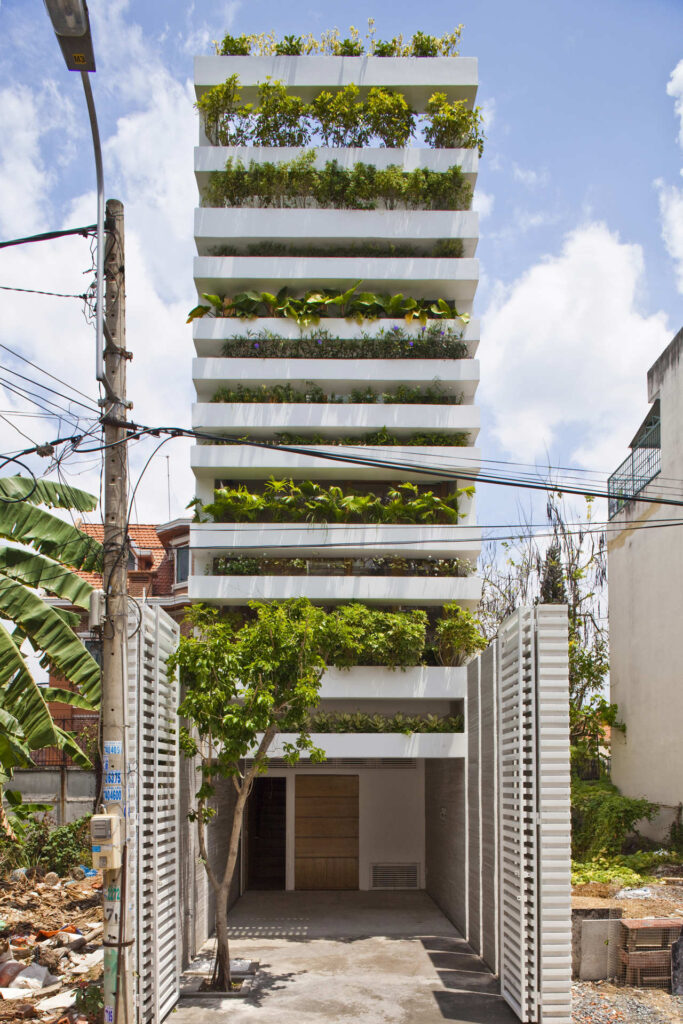
Introduction to the Green Stacking
Imagine a building that not only minimizes its carbon footprint but also provides a lush green space in the heart of a bustling city. Welcome to the Green Stacking, a revolutionary new building project in Saigon, Vietnam, designed to revolutionize urban planning and sustainability.
What is the Green Stacking?
The Green Stacking is an innovative, eco-friendly building that combines architecture, engineering, and horticulture to create a unique and sustainable living space. This 4-meter-wide and 20-meter-deep structure is composed of multiple levels of interconnected green spaces, allowing for efficient ventilation, insulation, and energy harvesting.
Green Building Principles
The Green Stacking incorporates several key principles of green building design:
- Permeability: The entire structure is designed to be permeable to air and light, reducing the need for artificial lighting and heating/cooling systems.
- Insulation: The building’s unique design provides excellent insulation against noise and temperature fluctuations.
- Hydroponics: A state-of-the-art hydroponic system provides a sustainable source of fresh produce for the occupants.
Design and Architecture
The Green Stacking’s striking exterior features a series of interconnected flower boxes, supported by cantilevered shelves. This innovative design not only creates a visually stunning facade but also allows for maximum exposure to natural light and ventilation.
Interior Spaces
Inside, the building boasts spacious interior areas filled with lush greenery, providing a tranquil oasis in the midst of the bustling city. The use of natural materials and smart home technology ensures that every aspect of the building’s functionality is optimized for comfort and efficiency.
Impact on Urban Planning
The Green Stacking is more than just an eco-friendly building – it sets a new standard for sustainable urban design. By incorporating green spaces into the heart of the city, architects can create vibrant public areas that foster community engagement and environmental awareness.
Sustainability Features
- Renewable Energy: The building’s photovoltaic panels generate electricity, reducing its reliance on non-renewable sources.
- Rainwater Harvesting: A sophisticated rainwater collection system minimizes water consumption and reduces stormwater runoff.
- Air Quality Monitoring: Advanced air quality sensors track pollutants and particulate matter, ensuring optimal indoor air quality.
Innovative Technologies
The Green Stacking incorporates cutting-edge technologies to optimize energy efficiency, reduce waste, and enhance occupant comfort:
- Smart Lighting: Energy-efficient LED lighting adjusts brightness based on occupancy and natural light availability.
- Building Management System (BMS): A sophisticated BMS integrates various building systems, ensuring seamless control and optimization.
Case Study: The Green Stacking’s Impact
The Green Stacking has already made a significant impact in Saigon, demonstrating the potential for sustainable urban development. Here are some key findings:
- Energy Savings: The building has reduced its energy consumption by 30% compared to traditional buildings.
- Water Conservation: The rainwater harvesting system has saved over 100,000 liters of water per month.
- Improved Air Quality: The air quality monitoring system has resulted in a significant decrease in particulate matter and pollutants.
Lessons Learned
The Green Stacking’s success offers valuable lessons for urban planners and architects:
- Integrated Design: A holistic approach to design, incorporating green spaces, energy-efficient systems, and innovative technologies.
- Community Engagement: Engaging with the local community to promote environmental awareness and foster a sense of ownership.
Conclusion
The Green Stacking is a beacon of sustainability in the heart of Saigon. By merging innovative design, eco-friendly materials, and cutting-edge technologies, this revolutionary building sets a new standard for urban planning and environmental stewardship.
Frequently Asked Questions (FAQs)
Q: What inspired the creation of the Green Stacking?
A: The Green Stacking was designed to address the growing need for sustainable urban development and provide a model for eco-friendly architecture in emerging cities like Saigon.
Q: How does the building’s hydroponic system work?
A: The building’s advanced hydroponics system uses nutrient-rich water rather than traditional soil, allowing for maximum crop yields while minimizing water consumption.
Q: What kind of materials were used in the construction of the Green Stacking?
A: A combination of natural and recycled materials was chosen to minimize environmental impact while ensuring durability and low maintenance costs.
Q: How does the building’s smart home technology enhance occupant comfort?
A: Advanced sensors monitor temperature, humidity, and air quality, adjusting lighting, ventilation, and other systems for optimal occupant well-being.
Q: What kind of community engagement opportunities are available in and around the Green Stacking?
A: The building features public green spaces, event areas, and educational programs to foster community interaction and promote environmental awareness.
Future Developments
As urbanization continues to grow, cities like Saigon will require innovative solutions to address sustainability challenges. Here are some potential future developments:
- Urban Algae Farms: Integrating algae farms into building design to produce biofuels and reduce greenhouse gas emissions.
- Smart Grids: Implementing advanced smart grids to optimize energy distribution and reduce waste.
Conclusion
The Green Stacking is a pioneering example of sustainable urban development. By embracing innovative technologies, eco-friendly materials, and community engagement, cities can create vibrant public spaces that foster environmental awareness and promote a healthier, more sustainable future.


