
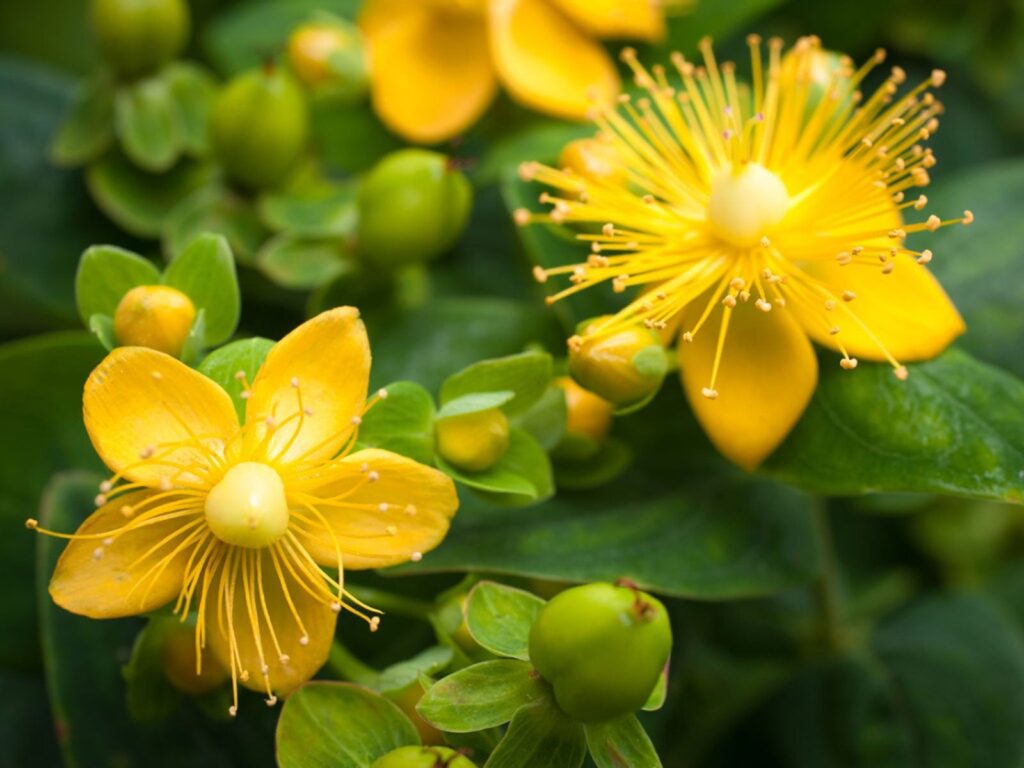
What is Hypericum Perforatum?
Hypericum perforatum, commonly known as St. John’s Wort or Hairy St. John’s Wort, is a perennial herbaceous plant that belongs to the Guttiferae family. It has been used for centuries in traditional medicine, cosmetics, and spiritual practices due to its numerous health benefits.
What are the Properties of Hypericum Perforatum?
Hypericum perforatum is renowned for its anti-inflammatory, antiseptic, antibacterial, cicatricial, vulnerary, antidepressive, and diuretic properties. The plant’s effectiveness in treating various ailments can be attributed to its rich content of pseudoipericine, hyperforin, and icariin.
What are the Properties of Hypericum Perforatum?
The plant’s properties include:
- Anti-inflammatory
- Antiseptic
- Antibacterial
- Cicatricial (wound-healing)
- Vulnerary (protecting against infections)
- Antidepressive
- Diuretic
How is Hypericum Perforatum Used?
Hypericum perforatum can be used in various forms, including:
- Capsules: Available in Amazon, these capsules are made from Hypericum Perforatum and are biologically cultivated.
- Oil: The plant’s oil is rich in pseudoipericin, hyperforin, and icariin, which contribute to its numerous health benefits.
- Infused Oil: This oil can be produced at home by macerating the plant’s flowers in a carrier oil like olive oil.
What are the Risks Associated with Hypericum Perforatum?
While Hypericum perforatum is considered a natural antidepressant, it may have certain risks and side effects. These include:
- Euphoria: Some individuals may experience feelings of euphoria or excitement due to the plant’s effects.
- Anxiety: In rare cases, the plant can cause anxiety or panic attacks.
- Interactions with Medications: Hypericum perforatum may interact with certain medications, such as blood thinners and antidepressants.
How to Use Hypericum Perforatum Safely
To use Hypericum perforatum safely:
- Consult a healthcare professional before starting treatment.
- Start with low doses and monitor your body’s response.
- Avoid using the plant if you have any underlying medical conditions or are taking medications that may interact with it.
Cultivation of Hypericum Perforatum
Hypericum perforatum is a hardy perennial herbaceous plant that can be grown in various climates. Here are some tips for cultivating this plant:
- Planting: Plant the seeds in well-draining soil, and keep the area moist until germination.
- Growth Conditions: Provide full sun to partial shade and maintain a consistent moisture level.
- Pruning: Prune the plant regularly to encourage bushy growth and prevent flowering.
Benefits of Hypericum Perforatum
Hypericum perforatum has numerous health benefits, including:
- Antidepressive: The plant’s antidepressive properties make it an effective natural remedy for treating depression.
- Anxiety Relief: Hypericum perforatum can help alleviate anxiety symptoms and promote relaxation.
- Wound Healing: The plant’s cicatricial properties can aid in wound healing and promote tissue repair.
Uses of Hypericum Perforatum
Hypericum perforatum has various uses, including:
- Medicine: The plant is used to treat a range of ailments, from depression to anxiety.
- Cosmetics: Hypericum perforatum oil is often used in skincare products due to its moisturizing and anti-inflammatory properties.
Conclusion
Hypericum perforatum, also known as St. John’s Wort, is a perennial herbaceous plant that has been used for centuries in traditional medicine, cosmetics, and spiritual practices. Its numerous health benefits include anti-inflammatory, antiseptic, antibacterial, cicatricial, vulnerary, antidepressive, and diuretic properties.
Frequently Asked Questions
- What are the best ways to consume Hypericum Perforatum?
- Capsules
- Oil
- Infused oil
- Are there any risks associated with using Hypericum Perforatum?
- Euphoria
- Anxiety
- Interactions with medications
- How can I use Hypericum Perforatum safely?
- Consult a healthcare professional before starting treatment.
- Start with low doses and monitor your body’s response.
- Avoid using the plant if you have any underlying medical conditions or are taking medications that may interact with it.
Additional Resources
For further information on Hypericum perforatum, please consult:
- National Institutes of Health (NIH)
- American Herbal Products Association (AHPA)
- Natural Product Association (NPA)


