
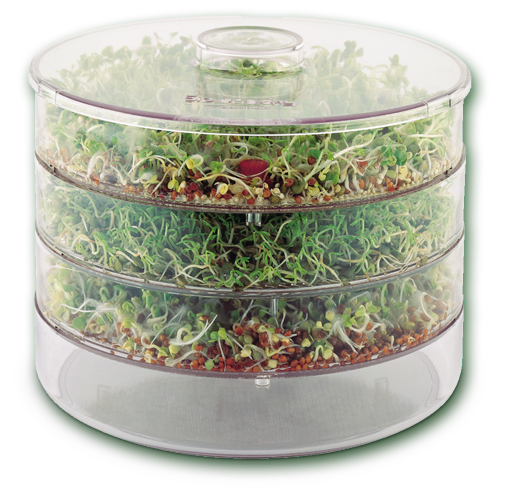
As a gardener, have you ever wondered how to encourage your seeds to germinate? Look no further than the humble sprouter, also known as a germogliatore. This simple device can help you grow multiple types of seeds in a small space, saving time and effort.
What is a Sprouter?
A sprouter is a container designed to promote seed germination by providing optimal conditions for growth. Typically made from plastic or terracotta, these containers feature multiple trays stacked on top of each other, allowing you to sow different types of seeds simultaneously. The interior of the sprouter has perforations that allow for air circulation and drainage, preventing the buildup of moisture that can lead to mold and fungal growth.
Benefits of Using a Sprouter
Using a sprouter offers several benefits:
- Space-saving: By growing multiple types of seeds in one container, you can maximize your space and grow more plants in less room.
- Reduced waste: With a sprouter, you can avoid buying separate containers for each type of seed, reducing packaging waste and saving money.
- Improved germination rates: The controlled environment of the sprouter helps to optimize seed germination, resulting in higher success rates.
Where to Buy a Sprouter
You can find sprouters online or in specialty stores that sell gardening products. Prices vary depending on the model and materials used, but you can expect to pay between $15 to $30 for a basic sprouter. Some popular brands include Germita and Bodum Grow Green.
Popular Seeds to Try with a Sprouter
Some of the best seeds to try using a sprouter include:
- Legumes: Beans, lentils, peas, and chickpeas make excellent candidates for sprouting.
- Grains: Quinoa, amaranth, and wheat berries can be sprouted for added nutrition.
- Greens: Alfalfa, kale, and spinach seeds can be germinated in as little as 24 hours.
Tips for Using a Sprouter
To get the most out of your sprouter:
- Soak the seeds: Soak the seeds in water before sowing to enhance germination rates.
- Use clean water: Make sure to use fresh, filtered water when soaking and rinsing the seeds.
- Monitor temperature: Keep the sprouter away from direct sunlight and extreme temperatures.
Understanding Seed Germination
Germination is a complex process that involves several stages:
- Seed activation: The seed absorbs water and begins to break down its seed coat, allowing it to germinate.
- Seedling formation: The embryo of the seed begins to grow, producing roots and leaves.
- Seedling establishment: The seedling establishes itself in the soil, developing a strong root system and growing leaves.
Optimizing Seed Germination
To optimize seed germination:
- Use fresh seeds: Make sure your seeds are up-to-date and have not been stored for too long.
- Maintain optimal moisture levels: Keep the sprouter away from extreme temperatures and humidity levels.
- Provide adequate light: Most seeds require bright, indirect light to germinate.
Common Challenges and Solutions
Some common challenges you may face when using a sprouter include:
- Mold growth: Make sure to rinse the seeds daily to prevent mold growth.
- Pests: Check your sprouter regularly for signs of pests or infestation.
- Inadequate light: If your sprouter is not receiving enough light, consider moving it to a brighter location.
Conclusion
With a sprouter, you can unlock the full potential of your seeds and enjoy the benefits of fresh, nutritious produce year-round. Whether you’re a seasoned gardener or just starting out, this simple device is an excellent addition to any gardening toolkit.
Frequently Asked Questions (FAQs)
- What is the difference between a sprouter and a seed starter?
A sprouter is a container specifically designed for promoting seed germination, while a seed starter is a more general-purpose potting mix used for starting seeds indoors. - How long does it take for seeds to germinate in a sprouter?
The time it takes for seeds to germinate can vary depending on the type of seed and conditions, but most seeds will begin to sprout within 24 hours. - Can I grow any type of seed with a sprouter?
While most seeds can be grown using a sprouter, some types, such as corn and wheat, may require specialized equipment or techniques. - How often should I rinse the seeds in my sprouter?
Rinse the seeds daily to maintain optimal moisture levels and prevent mold growth. - Can I eat the sprouts straight away, or do they need to mature further?
Depending on the type of seed, it’s recommended to allow the sprouts to mature for a few days before consuming them.
Additional Tips
- Keep your sprouter clean: Regularly wash and disinfect your sprouter to prevent the buildup of bacteria and mold.
- Monitor your seeds: Keep an eye on your seeds at all times, checking for signs of germination or issues such as mold growth.
- Experiment with different seeds: Try growing different types of seeds in your sprouter to see what works best for you.


