
As an agricultural method, rain irrigation has been gaining popularity in recent years due to its efficiency and adaptability. In this article, we will delve into the world of rain irrigation, exploring its characteristics, benefits, and potential drawbacks.
What is Rain Irrigation?
Rain irrigation is a system that distributes water in the form of tiny droplets, simulating natural rainfall. This approach allows for more efficient watering, as it ensures uniform coverage across the entire area being irrigated.
While not the most budget-friendly option (requiring significant initial investment), rain irrigation can be a game-changer for many agricultural practices. But what exactly makes up an irrigation system like this?
Components of a Rain Irrigation System
The construction of a rain irrigation system is unique in that it relies on various factors, such as the size and terrain of the area being irrigated. However, one constant element remains: a water source (e.g., well or reservoir) and a pumping system.
A crucial component of any rain irrigation system is also the nozzle or sprinkler, which disperses water in a manner resembling natural rainfall. Finally, there’s the central control unit, allowing farmers to set schedules and parameters for optimal use.
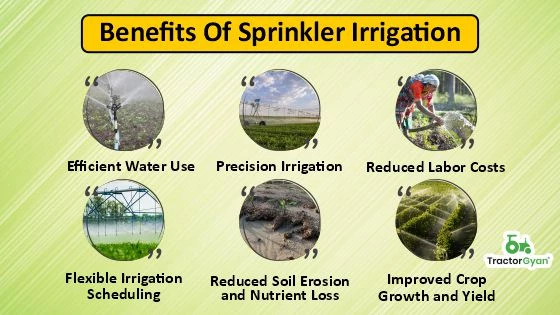
Benefits of Rain Irrigation
Now that we’ve covered the basics, let’s examine some of the key advantages of rain irrigation:
- Adaptability: This system can accommodate various crop types, making it an excellent choice for diverse agricultural practices.
- Flexibility: It easily adapts to different terrain types and soil conditions. Farmers only need to adjust parameters using their control unit at the right moment.
- Water Efficiency: Rain irrigation promotes a consistent water supply while avoiding unnecessary waste by simulating rainfall, making this method an excellent choice for farmers who want to conserve resources.
Some other benefits include:
- Reduced soil erosion due to the uniform coverage provided
- Lowered risk of disease transmission among crops
- Increased crop yields through optimal water distribution
Cost-Effectiveness
One aspect worth discussing is cost-effectiveness. While initial investments may be high, rain irrigation systems can lead to significant long-term savings for farmers. This approach eliminates the need for expensive manual labor or machinery, reducing operational costs.
Another factor worth considering is its environmental impact. Rain irrigation helps reduce waste and promotes efficient use of water resources, which are essential in today’s climate-conscious world.
Maintenance Considerations
While not a major concern, regular cleaning and inspection are essential to ensure optimal performance. Be mindful that excessive wind might impact the distribution of water, leading to uneven coverage. Additionally, be aware that this system can lead to higher pest populations if not properly maintained.
Regular maintenance is necessary for effective rain irrigation systems. This includes:
- Regularly checking for signs of wear and tear on nozzles or sprinklers
- Cleaning the central control unit as needed
- Inspecting pipes and other components for damage or corrosion
In addition to these physical aspects, farmers must also consider factors like crop selection and soil type when implementing rain irrigation. The right crops can thrive under this system, while others may require additional care.
Crop Selection
Choosing the right crops is vital for success with rain irrigation systems. Some plants respond better than others to this method of watering. For example:
- Vegetables: These are among the most suitable options for rain irrigation.
- Fruits: Many types of fruits, such as berries and citrus, can benefit from this system.
However, other crops might require additional care or special conditions. Farmers should research specific requirements for their chosen crops to ensure optimal performance under rain irrigation systems.
Soil Type
The type of soil being irrigated is another crucial factor in determining the success of a rain irrigation system. Some soils are more suitable than others due to their composition and drainage properties.
For instance:
- Sandy soils: These tend to drain quickly, making them well-suited for rain irrigation systems.
- Clay soils: These retain water longer but may require adjustments to the system’s parameters.
Understanding soil type is essential for farmers when implementing rain irrigation. This knowledge will help them choose the right crops and adjust their watering schedules accordingly.
Potential Drawbacks
While rain irrigation offers numerous benefits, there are also some potential drawbacks to consider:
- Higher initial investment: Setting up a rain irrigation system can be expensive due to the need for specialized components.
- Complexity: The central control unit and other components may require additional training or expertise to operate effectively.
- Wind impact: Excessive wind can disrupt water distribution, leading to uneven coverage.
Despite these considerations, many farmers have found that the benefits of rain irrigation systems far outweigh the drawbacks. By understanding its components, potential benefits, and limitations, you can make an informed decision about whether this method is right for your needs.
FAQs
-
What are the primary requirements for setting up a rain irrigation system?
- A water source (e.g., well or reservoir)
- Pumping system
- Nozzle or sprinkler
- Central control unit
-
How does a central control unit work in rain irrigation?
- The central control unit is the brain of the rain irrigation system.
- It allows farmers to set schedules and parameters for optimal use.
- This includes adjusting nozzles, sprinklers, or pumps as needed.
-
Can I use a rain irrigation system on slopes or hillsides?
- While challenging, it’s possible to install a rain irrigation system on sloping land.
- However, this may require additional considerations, such as ensuring the water distribution is even and preventing erosion.
-
How do I determine if my land is suitable for rain irrigation?
- Assess soil type and composition
- Consider crop selection and suitability
- Evaluate terrain and slope
-
Are there any environmental concerns associated with using a rain irrigation system?
- Potential benefits include reduced waste and efficient water use.
- However, improper maintenance can lead to higher pest populations.
-
What are the potential long-term benefits of using a rain irrigation system?
- Increased crop yields
- Reduced operational costs
- Improved efficiency


