
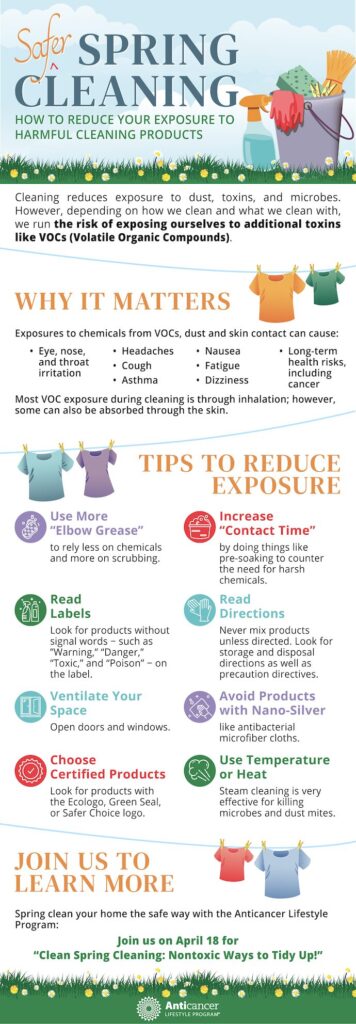
As we welcome the arrival of spring, it’s time for a healthy revolution – a spring cleaning that should be more about refreshing our homes than bringing in harsh chemicals. The air and sun are essential for maintaining good hygiene, so opening your windows during the hottest part of the day when the temperature is suitable for keeping the heaters off is a great starting point.
By doing this, you can choose eco-friendly products and systems to help keep your home clean.
Why Spring Cleaning Should Be a Healthy Revolution
Spring cleaning doesn’t mean making drastic changes; it’s all about getting rid of the dirt that has accumulated over the winter months. Start by tackling carpets and bedding, as these will be the first things to get washed once they are put away.
Lack of cleanliness in carpets, bedding, and mattresses can lead to the spread of allergens and even biological contaminants (anthropotogenic toxins produced through human physiological activities like breathing, sweating, shedding skin, and coughing) that become more harmful when confined indoors with heated environments. Regular washing is essential for getting rid of these contaminants.
Why Sunlight Matters
The most effective way to combat anthropotogenic toxins that have accumulated in carpets and bedding is to expose them to sunlight for an extended period. This may seem like a challenge, especially during the winter months, but it’s more manageable once spring arrives.
Regularly beating your carpets and doing a deep wash at least once a year is also a good idea. Instead of using harsh chemicals or machines that can damage your carpet, try soaking it with water and vinegar and/or white vinegar to get the job done. Or, consider making your own eco-friendly detergent. Another option is using steam cleaning as it not only gets rid of dirt but also sanitizes without using any chemicals.
It’s generally recommended to avoid specialized cleaners for carpets and rugs during spring cleaning (and other times) because they can actually make things worse by infusing the fibers with toxic substances that are slowly released over time. Similarly, insecticides are a major source of indoor pollution (not hygiene) in homes.
If you find yourself dealing with ants or other unwanted pests during spring, consider using natural solutions instead of chemical-based ones.
When to Deep Clean Inside and Outside Armchairs and Dressers
Spring cleaning is also the perfect time for a thorough deep clean inside and outside your armchairs and dressers. These storage spaces need some fresh air too! For an effective cleaning solution, mix melted beeswax with propolis (bee glue). This will not only nourish the wood but also keep clothes away from moths and wood borers.
Tips for a Healthy Home
Here are a few additional tips to help you create a healthier home:
- Use a HEPA air purifier: These devices can remove 99.97% of particles as small as 0.3 microns, including dust, pollen, and other allergens.
- Replace carpets with hardwood floors: Hardwood floors are easier to clean and less prone to damage from spills and stains.
- Use a dehumidifier: Dry air can help reduce the growth of mold and mildew, which thrive in humid environments.
- Keep your home well-ventilated: Open windows and doors to let fresh air circulate throughout your home.
By following these tips, you’ll be well on your way to creating a healthier living space that’s free from harsh chemicals and other pollutants.
Frequently Asked Questions
- Q: What should I use to clean my carpets?
- Instead of relying on chemical-based cleaners, try soaking them with water and vinegar or white vinegar for a natural deep clean.
- Q: How can I get rid of insecticides from my home?
- Use natural methods like using essential oils, herbs, or other non-toxic substances to repel pests without harming your health or the environment.
- Q: What is propolis and why do you need it for cleaning?
- Propolis (bee glue) is a natural wax-like substance produced by bees. It’s used in this article as part of a homemade cleaning solution due to its antibacterial properties, which can help keep wood free from pests like moths and tarantulas.
- Q: How long does it take for sunlight to kill bacteria on carpets?
- Sunlight is most effective when exposed to fabrics during the day. It’s recommended to let your carpets air out for several days with windows open or by using a fan to circulate the sun’s rays.
- Q: Are there any eco-friendly cleaning products available in stores?
- Yes, there are many options available that use natural ingredients and minimize environmental harm. Always read labels carefully to ensure the product you choose is safe for your health and the environment.
By following these tips, you’ll be well on your way to a cleaner, healthier home without resorting to harsh chemicals or harming the environment.


