
Understanding Seasonal Allergies: Symptoms, Tests, and Natural Remedies
As the weather warms up in the spring, many people experience symptoms of seasonal allergies. But what exactly are seasonal allergies, and how can you identify them?
What are Seasonal Allergies?
Seasonal allergies, also known as hay fever or allergic rhinitis, occur when your body overreacts to substances in the air that it recognizes as a threat. These substances include pollen from trees, grasses, and weeds, which is released into the air during certain times of the year.
When Do Seasonal Allergies Occur?
The timing of seasonal allergies varies depending on the location and climate. In general, springtime brings an increase in pollen levels, making it a peak season for allergy sufferers. However, some people may experience symptoms throughout the entire growing season, from spring to fall.
What are the Symptoms of Seasonal Allergies?
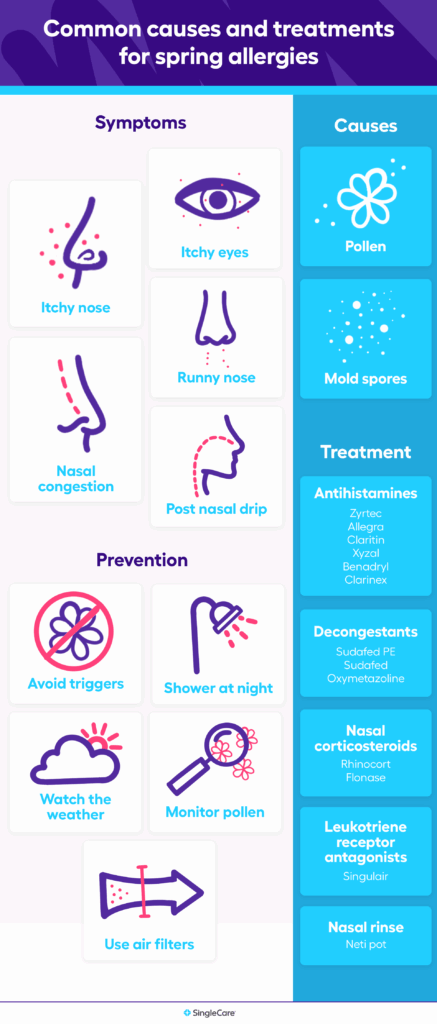
Symptoms of seasonal allergies can range from mild to severe and include:
- Respiratory issues: runny nose, congestion, sneezing, coughing
- Skin problems: itchy skin, rashes, hives
- Eye irritation: redness, itching, tearing
In addition to these common symptoms, some people may experience more severe reactions, such as:
- Anaphylaxis: a life-threatening allergic reaction that requires immediate medical attention
- Postnasal drip: a sensation of mucus running down the back of the throat
- Sinus pressure and pain: discomfort or pain in the sinuses
What Causes Seasonal Allergies?
Seasonal allergies are caused by an overreaction of the immune system to pollen. The main culprit behind this reaction is a protein called profilin, which is found in pollen.
Pollen is made up of tiny particles that contain proteins and other compounds. When these particles enter the body through the nose or eyes, they can trigger an allergic response. In people with seasonal allergies, the immune system mistakenly identifies pollen as a threat and releases chemical mediators to fight it off. These chemicals cause blood vessels to dilate, leading to increased mucus production and other symptoms.
How Are Seasonal Allergies Diagnosed?
Diagnosing seasonal allergies typically involves a combination of medical history, physical examination, and laboratory tests. The most common test used is the skin prick test (SPT), which involves pricking your skin with small amounts of pollen to see if you react.
During an SPT, a healthcare provider will usually use a standardized extract of the allergen in question (e.g., grass or ragweed pollen). If you have a severe reaction to the extract, it indicates that you are allergic to the specific substance.
Other diagnostic tests may include:
- Blood tests: measure the levels of allergy-related antibodies in your blood
- Nasal endoscopy: use a flexible tube with a camera to visualize the inside of your nose and sinuses
- CT scans or MRI: provide detailed images of the nasal passages, sinuses, and surrounding structures
Natural Remedies for Seasonal Allergies
While there is no cure for seasonal allergies, there are several natural remedies that can help alleviate symptoms:
- Antihistamines: over-the-counter medications like diphenhydramine (Benadryl) and loratadine (Claritin) can help reduce itching and congestion.
- Nasal sprays: saline nasal sprays or steroid nasal sprays can help reduce inflammation and congestion.
- Eye drops: antihistamine eye drops can provide quick relief for itchy, watery eyes.
In addition to these medications, some people find relief with natural remedies like:
- Quercetin: a flavonoid found in fruits, vegetables, and herbs that has anti-inflammatory properties
- Local honey: contains small amounts of pollen from local plants, which may help build up tolerance
- Neti pots: use saline solution to rinse out nasal passages and sinuses
Home Remedies for Seasonal Allergies
In addition to over-the-counter medications, there are several home remedies that can help alleviate seasonal allergy symptoms:
- Use a HEPA air purifier: High-Efficiency Particulate Air (HEPA) filters can trap 99.97% of particles as small as 0.3 microns, including pollen.
- Keep your car clean: Regularly vacuum and dust your car to reduce the amount of pollen that accumulates inside.
- Wear a mask: When outdoors, consider wearing a mask with a filter to protect yourself from pollen.
Lifestyle Changes
In addition to using natural remedies and home treatments, there are several lifestyle changes you can make to help alleviate seasonal allergy symptoms:
- Stay indoors during peak pollen hours: usually between 5am and 10am
- Keep windows closed: prevent pollen from entering your home or car
- Use air conditioning: keep your home cool and dry, which can reduce pollen counts
- Avoid strong odors: perfume, cleaning products, and other fragrances can exacerbate symptoms
Conclusion
Seasonal allergies can be a real nuisance, but there are many effective ways to manage symptoms. From natural remedies like antihistamines and nasal sprays to home remedies like HEPA air purifiers and masks, there’s something for everyone. By understanding what causes seasonal allergies and taking steps to prevent exposure, you can reduce your symptoms and enjoy the great outdoors all year round.
Frequently Asked Questions (FAQs)
- Q: How do I know if I have seasonal allergies?
A: If you experience symptoms like runny nose, congestion, or itchy eyes in the spring or fall, you may have seasonal allergies. - Q: What is the best way to diagnose seasonal allergies?
A: Your doctor can perform a skin prick test (SPT) or other tests to determine if you have seasonal allergies. - Q: Are there any natural remedies for seasonal allergies?
A: Yes, antihistamines, nasal sprays, and eye drops can help alleviate symptoms. However, always consult with your doctor before trying new treatments. - Q: How do I prevent exposure to pollen?
A: Use a HEPA air purifier, keep your car clean, wear a mask when outdoors, and stay indoors during peak pollen hours (usually between 5am and 10am). - Q: Can seasonal allergies be cured?
A: While there is no cure for seasonal allergies, managing symptoms with medication and home remedies can help alleviate discomfort. - Q: How do I know if my symptoms are related to seasonal allergies or another condition?
A: Consult with your doctor to determine the cause of your symptoms. They may perform additional tests or examinations to rule out other conditions. - Q: Can I still enjoy the outdoors if I have seasonal allergies?
A: Yes, but take steps to protect yourself from pollen and other allergens. Wear a mask, use a HEPA air purifier, and stay indoors during peak pollen hours when possible. - Q: How can I reduce my symptoms if I’m already experiencing them?
A: Take medication as directed, use nasal sprays or eye drops, and try home remedies like antihistamines and HEPA air purifiers. - Q: Can seasonal allergies affect other parts of my body besides the nose, eyes, and skin?
A: Yes, seasonal allergies can also cause respiratory issues, such as coughing and wheezing.


