
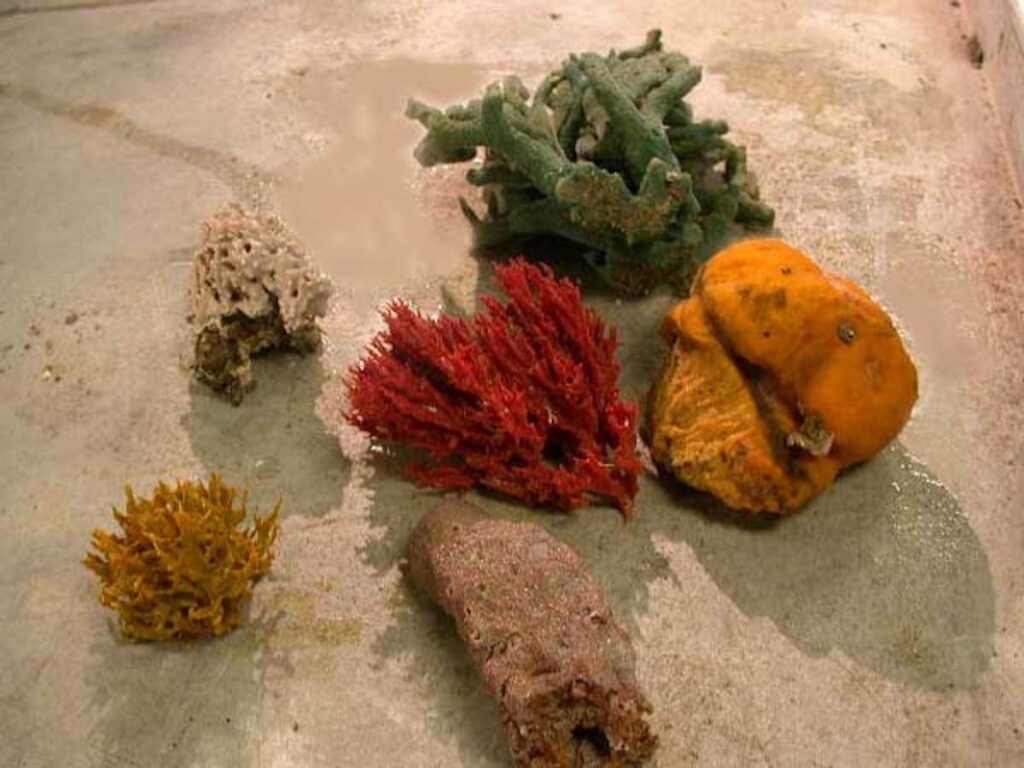
Sponges are fascinating creatures that can thrive in aquariums, but they have unique needs that must be met to ensure their survival. In this article, we will delve into the world of sponges and explore their requirements, common mistakes, and tips for maintaining a healthy sponge population.
What Are Sponges?
Sponges are marine animals that filter feed on tiny organisms and organic matter in the water. They have a unique body structure that allows them to absorb nutrients from the surrounding water. With over 5,000 species of sponges, each with its own characteristics and needs, it’s essential to understand their requirements to provide optimal care.
Choosing the Right Sponge
Not all sponges are created equal, and some are more suitable for aquariums than others. Blue sponges, white sponges, orange sponges, violet sponges, and other types of sponges have different needs and requirements. Here’s a brief overview:
- Blue Sponges: These sponges are relatively easy to care for and can thrive in aquariums with moderate lighting.
- White Sponges: White sponges are also relatively easy to care for, but they require more frequent water changes and a balanced diet.
- Orange Sponges: Orange sponges are more challenging to care for and require specific lighting conditions and a varied diet.
Sponge Care: Essential Considerations
When keeping sponges in aquariums, there are several essential considerations to keep in mind:
- Lighting: Sponges require moderate to low lighting levels, depending on the species.
- Diet: Sponges feed on tiny organisms and organic matter in the water.
- Water Changes: Regular water changes are crucial to maintain optimal water quality.
- Acclimation: When introducing new sponges to an aquarium, it’s essential to acclimate them gradually to prevent stress.
Common Mistakes
When keeping sponges in aquariums, there are several common mistakes to avoid:
- Overfeeding: Overfeeding can lead to algae growth and sponge death.
- Insufficient Water Changes: Failing to perform regular water changes can lead to water quality issues.
- Incorrect Lighting: Providing inadequate lighting can lead to stress and poor health in sponges.
Tips for Maintaining a Healthy Sponge Population
To maintain a healthy sponge population, follow these tips:
- Monitor Water Parameters: Regularly check water parameters such as pH, ammonia, and nitrite levels.
- Provide Adequate Lighting: Ensure that the aquarium is well-lit, but not too bright for the sponges.
- Maintain Good Water Quality: Perform regular water changes and monitor water quality.
Understanding Sponge Behavior
Sponge behavior can be fascinating to observe, and understanding their natural habits can help you provide better care:
- Feeding Patterns: Sponges are filter feeders and feed on tiny organisms and organic matter in the water.
- Burrowing Behavior: Some sponge species have a burrowing behavior, where they dig into the substrate to create a sheltered environment.
Tips for Introducing New Sponges
When introducing new sponges to an aquarium, follow these tips:
- Acclimate Gradually: Acclimate the sponge gradually to prevent stress and shock.
- Monitor Water Parameters: Regularly check water parameters to ensure they are within a safe range.
Conclusion
Keeping sponges in aquariums can be a rewarding experience, but it requires attention to detail and a willingness to learn about their unique needs. By understanding the requirements of different sponge species and avoiding common mistakes, you can create a thriving environment for your sponges to thrive.
Frequently Asked Questions:
- Q: What is the best way to care for a sponge in an aquarium?
A: Regular water changes, adequate lighting, and a balanced diet are essential for maintaining a healthy sponge population. - Q: How often should I feed my sponge?
A: Feed your sponge daily with small amounts of food, such as zooplankton or detritus. - Q: What is the best type of lighting for sponges?
A: Sponges require moderate to low lighting levels, depending on the species. Aim for a PAR value of 250-300.
By following these guidelines and tips, you can create a thriving environment for your sponges and enjoy the benefits of having them in your aquarium.


