
What is Spirulina?
When we talk about spirulina, we don’t refer to a blue algae! Spirulina is actually a type of cyanobacteria, which is an incredibly rich source of protein. This superfood has been gaining popularity among athletes, naturalists, and even in the medical community, due to its impressive immune-modulating properties.
Spirulina’s incredible nutritional profile makes it an excellent option for those looking to boost their muscle mass or simply increase their overall health. Its high protein content is particularly beneficial for individuals seeking to improve their athletic performance or enhance their body composition.
A Nutrient-Dense Superfood
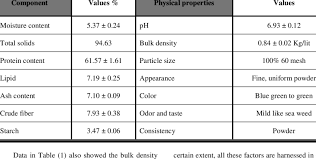
Spirulina boasts an impressive nutritional profile, with a whopping 60% protein content. This makes it an excellent option for those looking to boost their muscle mass or simply increase their overall health. Additionally, spirulina is rich in:
• Protein: Spirulina’s high protein content makes it an excellent source of essential amino acids, which are vital for building and repairing muscles.
• Iron: The iron content in spirulina can help reduce fatigue and improve energy levels, making it an excellent supplement for individuals with iron deficiencies.
• Beta-carotene: This antioxidant-rich compound is 30 times more concentrated in spirulina than in carrots, providing essential protection against oxidative stress and inflammation.
• Vitamins: Spirulina is a rich source of various vitamins, including vitamin B12, which plays a crucial role in energy production and nerve function.
• Minerals: The mineral content in spirulina includes calcium, magnesium, and potassium, all of which are essential for maintaining optimal health.
Separating Fact from Fiction: Debunking Common Misconceptions
In everyday language, spirulina is often referred to as an algae or “micro-alga”. While this terminology might be convenient, it’s essential to remember that spirulina belongs to a different group of organisms altogether. Classic marine algae have a long-standing tradition of consumption, but this doesn’t mean spirulina should be lumped together with them.
The Miraculous Health Benefits of Spirulina
Spirulina has been the subject of numerous research studies across various fields, including medicine and governance. Its potential anti-cancer properties are being explored, while its use as a nutritional supplement to combat malnutrition and famine is also being considered. Athletes often rely on spirulina to enhance their performance during training and recovery.
Some of the most significant health benefits associated with spirulina include:
• Improved immune function: Spirulina contains immunomodulatory compounds that can help regulate the immune system, reducing inflammation and oxidative stress.
• Antioxidant properties: The high antioxidant content in spirulina helps protect cells from damage caused by free radicals, reducing the risk of chronic diseases like cancer and cardiovascular disease.
• Anti-inflammatory effects: Spirulina contains anti-inflammatory compounds that may help reduce inflammation, which is associated with various health conditions, including arthritis and respiratory diseases.
Understanding Spirulina: A Closer Look at its Nutritional Content
Spirulina is an exceptional source of essential nutrients, making it a valuable addition to any diet. Some key nutritional components of spirulina include:
• Protein: Spirulina contains approximately 60% protein content, making it an excellent option for those looking to boost their muscle mass or increase their overall health.
• Iron: The iron content in spirulina can help reduce fatigue and improve energy levels, making it an essential supplement for individuals with iron deficiencies.
• Beta-carotene: This antioxidant-rich compound is 30 times more concentrated in spirulina than in carrots, providing essential protection against oxidative stress and inflammation.
• Vitamins: Spirulina is a rich source of various vitamins, including vitamin B12, which plays a crucial role in energy production and nerve function.
Exploring the Science Behind Spirulina’s Health Benefits
Spirulina is rich in antioxidants, which help protect cells from damage. Its high iron content has been linked to improved energy levels and reduced fatigue. Additionally, spirulina contains chlorophyll, which may enhance oxygenation of the body and improve muscle function.
The Role of Spirulina in Modern Healthcare
Spirulina’s impressive health benefits have made it a sought-after supplement among healthcare professionals. Its anti-inflammatory properties, immune-modulating effects, and antioxidant content make it an excellent addition to any healthcare regimen.
In recent years, spirulina has been studied extensively for its potential therapeutic applications. Some of the most promising areas of research include:
• Cancer prevention: Spirulina contains a range of compounds with anti-cancer properties, including phycocyanin and phycobiliproteins.
• Anti-inflammatory effects: Spirulina’s anti-inflammatory compounds may help reduce inflammation, which is associated with various health conditions, including arthritis and respiratory diseases.
• Immune system modulation: Spirulina contains immunomodulatory compounds that can help regulate the immune system, reducing inflammation and oxidative stress.
Getting Started with Spirulina: What You Need to Know
If you’re considering adding spirulina to your diet, here are some key things to keep in mind:
• Consult with a healthcare professional before adding any new supplement to your routine: This will ensure that spirulina is safe and suitable for your individual needs.
• Choose high-quality spirulina products from reputable manufacturers: Look for products that have been tested for purity, potency, and quality.
• Follow the recommended dosage and guidelines for optimal benefits: Typically, a dose of 1-2 teaspoons per day is recommended, although this may vary depending on individual needs.
Spirulina: The Ultimate Superfood?
With its incredible nutritional profile, impressive health benefits, and versatility in modern medicine, spirulina is undoubtedly one of the most promising superfoods on the market. Whether you’re an athlete, a health enthusiast, or simply looking to upgrade your diet, spirulina is definitely worth exploring further.
Frequently Asked Questions: Spirulina 101
- What is spirulina?
Spirulina is a type of cyanobacteria rich in protein and other essential nutrients. - Is spirulina an algae?
No, spirulina belongs to a different group of organisms altogether. - What are the health benefits of spirulina?
Spirulina has been linked to improved immune function, antioxidant properties, anti-cancer potential, and more. - How do I take spirulina?
Consult with a healthcare professional before adding spirulina to your diet. - Is spirulina safe for everyone?
While generally considered safe, consult with a healthcare professional before taking spirulina, especially if you have any underlying health conditions. - Can I consume spirulina raw?
No, it’s recommended to take spirulina in supplement form or cooked as part of a balanced meal. - How much protein is in spirulina?
Spirulina contains approximately 60% protein content. - Is spirulina gluten-free?
Yes, spirulina is naturally gluten-free and suitable for those with gluten intolerance or sensitivity.
Stay tuned for more exciting updates on the incredible world of spirulina!


