
The Power of Spirulina: Unlocking its Health Benefits
Spirulina is a type of algae that has been a subject of interest in the health and wellness community for decades. This tiny microorganism is packed with nutrients, including proteins, minerals, vitamins, and antioxidants. But what makes spirulina so special?
A Wealth of Nutrients
Spirulina is an excellent source of protein, containing up to 65% protein content, making it one of the richest plant-based sources of protein. It also contains a range of essential vitamins and minerals, including vitamin A, C, E, and iron. Additionally, spirulina is rich in complex carbohydrates, fiber, and healthy fats.
Antioxidant Properties
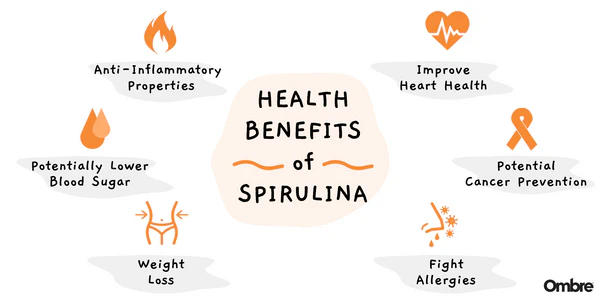
Spirulina’s unique antioxidant properties make it an excellent natural remedy for fighting free radicals and oxidative stress. The omega-3 and omega-6 fatty acids present in spirulina help reduce inflammation and promote overall health. Furthermore, the presence of vitamins A, C, and E enables spirulina to protect against cell damage and promote healthy aging.
Boosting Immune Function
Research suggests that spirulina has immunomodulatory effects, helping to boost the immune system’s natural defenses. The high iron content in spirulina also plays a crucial role in maintaining healthy red blood cells and preventing anemia.
Benefits for the Liver
Spirulina contains ficocianines, which have been shown to exhibit epatoprotective properties, supporting liver health and detoxification processes.
The Role of Spirulina in Weight Management
Spirulina’s low calorie content makes it an excellent addition to any weight management diet. The protein-rich algae helps keep you full and satisfied, reducing the likelihood of overeating and promoting healthy weight loss.
How to Use Spirulina
Spirulina is available as a dietary supplement in powder or capsule form, making it easy to incorporate into your daily routine. To get the most out of spirulina, consider taking it in cycles of 3-4 months, followed by periods of rest.
Why Choose Spirulina?
Here are just a few reasons why spirulina stands out as an exceptional nutritional supplement:
- Rich in Protein: Spirulina contains three times more protein than beans!
- Calcium-Rich: Spirulina has eight times more calcium than milk
- Iron-Packed: Spirulina is 34 times richer in iron than spinach
- Vitamin A and C Abundant: Spirulina is packed with over 20 times the amount of beta-carotene found in carrots!
Potential Side Effects
While spirulina is generally considered safe, it’s essential to be aware of potential side effects, such as digestive issues. To avoid any adverse reactions, consult with a healthcare professional before taking spirulina and follow recommended dosages.
Conclusion
Spirulina is an incredible nutritional supplement that offers a wealth of health benefits. Whether you’re looking to boost your immune system, support liver health, or simply add some extra protein to your diet, spirulina is definitely worth considering.
Frequently Asked Questions
- What are the recommended dosages for spirulina?
- Typically, a daily dose of 5-10 grams of spirulina powder is recommended.
- Can I take spirulina with other medications?
- Consult with your healthcare professional before taking spirulina if you’re already taking medications or have underlying health conditions.
- Is spirulina suitable for vegetarians and vegans?
- Yes, spirulina is a plant-based supplement that’s perfect for vegetarians and vegans.
- How long does it take to see the benefits of spirulina?
- Results may vary depending on individual factors, but you can start noticing improvements in your energy levels, immune function, and overall health within a few weeks of regular consumption.
- Is spirulina safe for people with allergies or sensitivities?
- If you have any allergies or sensitivities, it’s best to consult with your healthcare professional before adding spirulina to your diet.
Additional Resources
For more information on spirulina and its benefits, check out the following resources:
- National Institutes of Health: Learn more about the potential health benefits of spirulina from trusted sources.
- Spirulina.org: Discover the latest research and news on spirulina and its applications.
Final Thoughts
Incorporating spirulina into your diet can be a game-changer for overall health and wellness. With its incredible nutrient profile, antioxidant properties, and potential immunomodulatory effects, spirulina is an excellent addition to any healthy lifestyle routine.


