
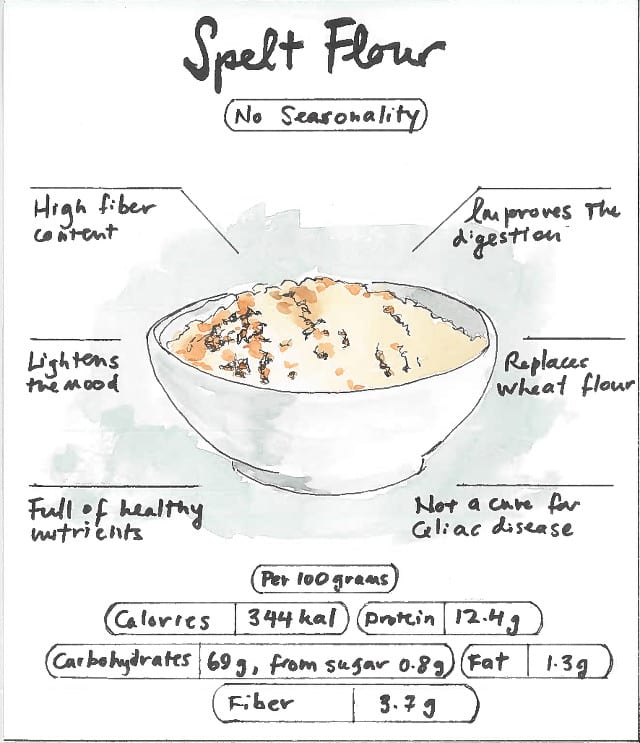
What is Farro?
Farro is an ancient grain that has been a staple in Mediterranean cuisine for thousands of years. It’s a good source of fiber, vitamins, and minerals, making it a nutritious addition to a healthy diet. But what makes farro unique is its gluten content and how it affects individuals with gluten intolerance or sensitivity.
Gluten: The Mysterious Protein
Gluten is a protein found in certain grains, including wheat, barley, and rye. It’s the main component of flour and gives dough its elasticity and structure. However, not everyone can tolerate gluten without experiencing adverse effects. For those with celiac disease or non-celiac gluten sensitivity (NCGS), consuming gluten can lead to inflammation, digestive issues, and other health problems.
The Gluten Content of Farro
Farro contains a type of protein called gliadin, which is responsible for the elasticity in dough. However, the amount of gluten in farro is significantly lower than that found in wheat. In fact, studies have shown that whole-grain monococca farro contains around 1% gluten, making it a more digestible option for those with mild gluten intolerance.
The Nutritional Profile of Farro
Farro is a good source of fiber, vitamins A, B, C, and E, as well as minerals like phosphorus, magnesium, potassium, and calcium. It’s also rich in vegetable fiber and contains essential amino acids like methionine, which is scarce in most other cereals.
Comparing Farro to Other Grains
When compared to wheat, farro has a higher amount of glutamic acid and proline, two amino acids that are important for maintaining healthy gut bacteria. However, it’s also lacking in amino acids lysine, tryptophan, and leucine, which are found in abundance in rice.
Gluten-Free Farro: A Myth?
There is no such thing as gluten-free farro. None of the selected farro varieties are suitable for those with celiac disease or gluten intolerance. However, whole-grain monococca farro contains small amounts of gluten (oscillating around 1%), making it a more digestible option for those with mild gluten intolerance.
The Digestion Process: Understanding Gluten Breakdown
The digestion of proteins begins at the stomach, where an enzyme called pepsin breaks down proteins into smaller peptides. The digestion of gluten occurs in the intestine, where enzymes like trans-glutaminase break down long protein chains into smaller subunits.
In individuals with celiac disease or NCGS, the digestion of gluten is impaired, leading to inflammation and damage to intestinal villi. These small, folded extensions are responsible for absorbing nutrients and aiding digestion. When villi become inflamed, they’re no longer able to perform their functions, leading to a range of symptoms including digestive issues, fatigue, and joint pain.
Farro: A Potential Solution for Gluten Sensitivity
Whole-grain monococca farro may be recommended for individuals with gluten sensitivity or NCGS. This type of farro contains small amounts of gluten, making it more digestible than other types of grain. However, before consuming farro, it’s essential to consult a nutritionist or doctor to determine the best course of action.
Types of Farro
There are several types of farro available in the market, each with its unique nutritional profile and gluten content. Some of the most common types of farro include:
- Monococca farro: This type of farro is known for its high fiber content and lower gluten levels.
- Dikkokos farro: This type of farro has a higher protein content than monococca farro but contains more gluten.
- Bilino farro: This type of farro is made from the ancient grains of Greece and has a unique flavor profile.
How to Incorporate Farro into Your Diet
Incorporating farro into your diet can be easy and delicious. Here are some ideas to get you started:
- Try adding cooked farro to salads or stir-fries for added fiber and nutrition.
- Use farro as a base for homemade pasta or pizza crusts.
- Mix cooked farro with olive oil, herbs, and spices to create a healthy and flavorful side dish.
Potential Health Benefits of Farro
Farro has been shown to have several potential health benefits, including:
- Lowering cholesterol levels
- Reducing inflammation in the body
- Improving digestive health
- Supporting bone health
While more research is needed to confirm these findings, incorporating farro into your diet may be a great way to support overall health and well-being.
Conclusion
Farro is an ancient grain that offers a range of nutritional benefits and potential health benefits. Its lower gluten content makes it a more digestible option for those with mild gluten intolerance. While there is no such thing as gluten-free farro, whole-grain monococca farro contains small amounts of gluten, making it a potentially suitable option for individuals with gluten sensitivity or NCGS.
Frequently Asked Questions
- What makes farro different from other grains?
Farro is an ancient grain that’s rich in fiber, vitamins, and minerals. It’s also lower in gluten than many other grains, making it more digestible for those with mild gluten intolerance. - Can I eat farro if I have celiac disease or gluten intolerance?
No, farro is not suitable for individuals with celiac disease or gluten intolerance due to its high gluten content. - Is there a difference between farro and other types of grain in terms of protein content?
Yes, farro contains a higher amount of glutamic acid and proline compared to other grains like wheat and barley. - Can I eat rice if I have gluten intolerance or sensitivity?
Yes, rice is a gluten-free grain that’s rich in essential amino acids like lysine, tryptophan, and leucine. - What are the symptoms of non-celiac gluten sensitivity (NCGS)?
Symptoms of NCGS can vary widely but may include digestive issues, fatigue, joint pain, and skin rashes. - Can I substitute farro for other grains in my diet?
Yes, farro is a nutritious addition to a healthy diet. However, it’s essential to choose whole-grain varieties to reap the most nutritional benefits. - How much gluten does farro contain?
Farro contains around 1% gluten, making it more digestible than other grains like wheat and barley. - Can I consume farro if I have a mild gluten intolerance?
Yes, whole-grain monococca farro may be suitable for individuals with mild gluten intolerance due to its lower gluten content. However, consult a nutritionist or doctor before consuming farro.


