
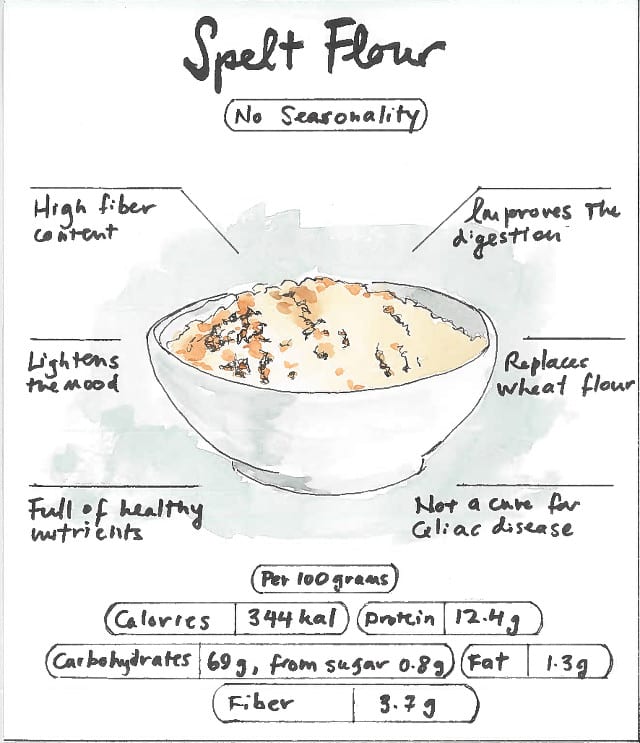
As the trend towards ancient grains continues to gain momentum, farro flour has become a popular choice for chefs and home cooks alike. But what makes farro so special? Is it just a fleeting fad, or is there something more to its enduring popularity?
What is Farro?
Farro is an ancient grain that belongs to the same family as wheat and barley. It’s often referred to as “emmer” in English, although this term can be misleading – farro is actually a distinct species within the Triticum genus. Despite its similarities to other grains, farro has some unique characteristics that set it apart.
Farro is an ancient grain because it was first domesticated over 10,000 years ago in the Near East, specifically in present-day Italy and Greece. It’s believed to have originated from wild emmer wheat, which was a common food source for ancient civilizations such as the Egyptians and Greeks. Over time, farro spread throughout Europe and became an important crop in many countries.
Types of Farro
There are three main types of farro, each with its own distinct characteristics:
- Small Farro: This variety is the least common and most difficult to find. Small farro is smaller in size than other varieties and has a more delicate flavor. It’s often used as a specialty ingredient in high-end restaurants.
- Medium Farro: More readily available than small farro, this type is still relatively rare. Medium farro is larger in size than small farro and has a slightly sweeter flavor. It’s popular among artisanal bakers who value its distinctive taste.
- Large Farro: The most widely cultivated and commercially available type of farro. Large farro is the largest variety, with a nuttier flavor and chewier texture. It’s often used in traditional Italian recipes like risottos and pasta dishes.
The Benefits of Farro
So why has farro become so popular in recent years? One reason is its nutritional profile – farro is higher in fiber, protein, and nutrients like iron and magnesium than many other grains. It’s also lower on the glycemic index, making it a good choice for those with diabetes or those looking to manage their blood sugar levels.
Farro contains more nutrients and fiber than other grains because of its ancient origins. When farro is processed into flour, some of these nutrients are lost. However, when cooked from scratch, farro retains many of its natural nutrients, making it a nutritious addition to the modern diet.
Another benefit of farro is its unique flavor profile. Farro has a nuttier, earthier taste than other grains like wheat or rice, which makes it stand out in recipes. This distinctive flavor is often described as “hearty” or “robust,” and it pairs well with rich sauces and braising liquids.
The Challenges of Working with Farro
So why is farro so difficult to work with? One reason is its low yield – it takes more farro to produce a given amount of flour than other grains. This means that farro can be more expensive to produce and process, which can drive up costs for consumers.
Another challenge is the processing required to produce high-quality farro flour. Unlike other grains, farro requires additional steps like pelleting and hulling to remove the outer husk and make it suitable for baking.
Farro also has a higher risk of spoilage than other grains due to its delicate flavor profile. If not stored properly, farro can become rancid or develop off-flavors, which can affect the quality of baked goods made with farro flour.
Despite these challenges, many chefs and home cooks are willing to work around the difficulties of working with farro because of its unique benefits. For one, farro is a versatile ingredient that can be used in a variety of dishes, from soups to salads to breads.
Traditional Uses for Farro
Farro has been an important crop in many traditional cuisines throughout history. In ancient Rome, farro was a staple food for the wealthy and was often served at banquets and feasts. In Italy, farro is still used today in traditional recipes like risottos and pasta dishes.
One of the most iconic uses for farro is in Italian cooking, particularly in risotto dishes. Farro’s nutty flavor pairs well with rich sauces made from ingredients like mushrooms, cream, and Parmesan cheese. Risottos made with farro are often served as a first course or appetizer, and they’re prized for their creamy texture and deep flavors.
Farro is also used in salads, particularly those featuring fresh vegetables, fruits, and nuts. The grain’s nutty flavor complements the natural sweetness of ingredients like beets, carrots, and apples, making it a great choice for healthy and delicious salads.
Modern Uses for Farro
While farro has been an important crop in traditional cuisines, modern chefs are pushing its boundaries by incorporating it into new recipes. One popular use for farro is in breads and pastries, where the grain’s nutty flavor adds depth and complexity to sweet and savory baked goods.
Farro is also being used in innovative ways like granola and energy bars. The grain’s high fiber content makes it a great choice for healthy snacks that are both filling and nutritious.
In addition, farro is becoming increasingly popular as a gluten-free alternative to other grains like wheat and rice. Many people with gluten intolerance or sensitivity are discovering the benefits of farro as a healthier option for breads, pasta dishes, and baked goods.
The Future of Farro
As interest in ancient grains continues to grow, it’s likely that farro will become an even more popular choice for chefs and home cooks. With its unique flavor profile, high nutritional value, and versatility in the kitchen, farro is poised to remain a staple ingredient in many cuisines for years to come.
One reason why farro may be gaining popularity is due to its sustainable and eco-friendly production methods. Unlike other grains like wheat and rice, which require large amounts of water and pesticides to produce, farro requires less water and fewer chemicals to grow.
Another factor driving the rise of farro is its potential health benefits. As consumers become more aware of the importance of whole grains in their diets, they’re seeking out healthier alternatives to refined flours like wheat and white rice. Farro’s high fiber content, rich nutrient profile, and low glycemic index make it a great choice for those looking to adopt a healthier diet.
In conclusion, farro flour is a nutritious and versatile ingredient that offers many benefits for chefs and home cooks alike. Its unique flavor profile, high nutritional value, and versatility in the kitchen make it an excellent addition to traditional recipes and modern innovations. As interest in ancient grains continues to grow, it’s likely that farro will remain a popular choice for years to come.


