
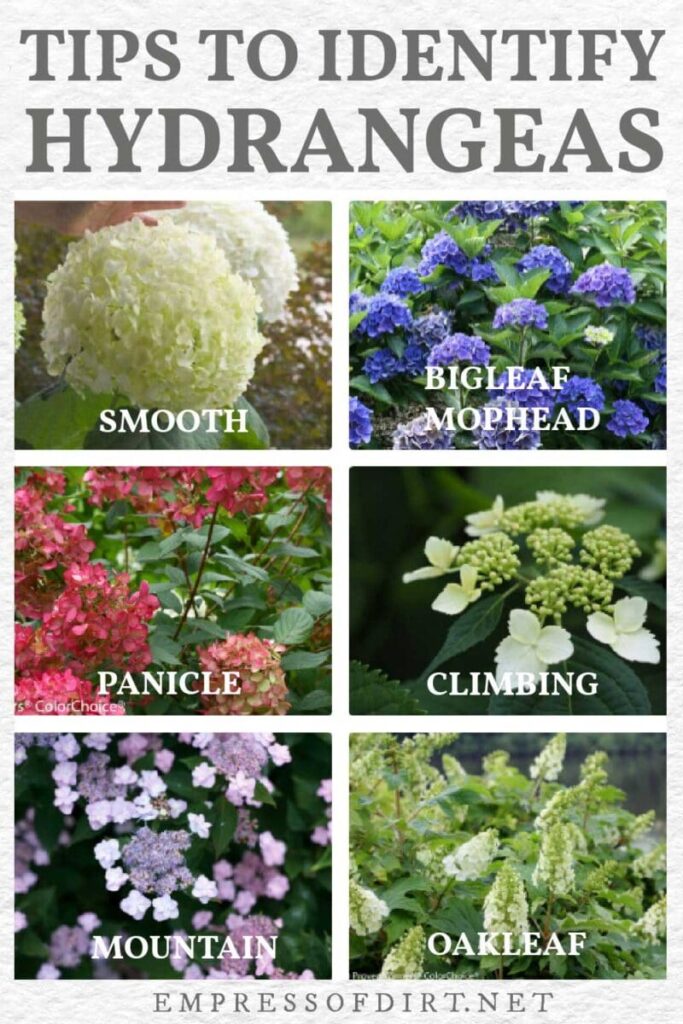
As a gardener, you’re likely familiar with the popular Hydrangea macrophylla, commonly known as the Bigleaf Hydrangea. However, this article will delve into the fascinating world of hydrangeas, exploring various species and varieties that can add beauty and elegance to your garden or indoor space.
Understanding Hydrangeas
Hydrangeas belong to the Hydrangeaceae family and are a diverse group of plants with unique characteristics. With over 80 species, they come in a range of colors, shapes, and sizes, making them a popular choice for gardeners and plant enthusiasts alike.
History of Hydrangeas
The history of hydrangeas dates back to the 18th century when they were first introduced to Europe from China. The name “hydrangea” is derived from the Greek words “hydrain” meaning water and “angos” meaning vessel, referring to the plant’s water-storing capacity.
Types of Hydrangeas
Hydrangeas can be broadly categorized into three main types:
- Bigleaf Hydrangeas: These hydrangeas have large leaves and produce massive clusters of flowers.
- Panicle Hydrangeas: These hydrangeas have smaller, more delicate leaves and produce long, slender flower clusters.
- Climbing Hydrangeas: These hydrangeas have twining stems and can be trained to grow up walls or trellises.
Popular Hydrangea Species
While Hydrangea macrophylla is the most well-known species, it’s by no means the only one worth exploring. Here are some other popular hydrangeas that are perfect for your garden or indoor space:
- Hydrangea macrophylla: The classic Bigleaf Hydrangea, known for its large, showy flowers.
- Hydrangea petiolaris: A climbing hydrangea with small flowers and a compact growth habit, perfect for training on walls or trellises.
- Hydrangea quercifolia: An oakleaf hydrangea with beautiful fall color and a compact growth habit.
Bicolor Hydrangeas
One of the most popular and sought-after varieties is the bicolor hydrangea. These plants offer a unique combination of two colors in each bloom, creating a stunning visual effect.
- Hydrangea macrophylla ‘Red Ace’: A classic Bigleaf Hydrangea with deep red flowers and white centers.
- Hydrangea macrophylla ‘Blauling’: A Blauling hydrangea with light blue flowers that turn green in acidic soil.
White, Pink, Blue, Green, Red, and Purple Hydrangeas
In addition to bicolors, there are many other hydrangea varieties available, including:
- Hydrangea macrophylla ‘Alba’: A white-flowering Bigleaf Hydrangea perfect for adding a touch of elegance to your garden.
- Hydrangea petiolaris ‘Kardinal’: A climbing hydrangea with bright red flowers and a compact growth habit.
Tips for Growing Hydrangeas
To ensure optimal health and blooming, follow these tips:
- Choose the right location: Most hydrangeas prefer partial shade to full sun.
- Use acidic soil: Hydrangeas love acidic soil, with a pH between 5.5 and 6.5.
- Water regularly: Keep the soil consistently moist during the first year after planting.
- Fertilize annually: Feed your hydrangeas with an acidic fertilizer in the spring.
Hydrangea Varieties for Creeping and Spreading
If you’re looking to add some groundcover or spillers to your garden, consider these hydrangea varieties:
- Hydrangea macrophylla ‘Snow Flake’: A compact Bigleaf Hydrangea with beautiful white flowers.
- Hydrangea petiolaris: A climbing hydrangea that can be trained to grow along walls or trellises.
Common Hydrangea Problems
While hydrangeas are relatively low-maintenance plants, they do have some common problems:
- Pests and diseases: Keep an eye out for pests like aphids and spider mites, as well as diseases like powdery mildew.
- Lack of flowering: If your hydrangeas aren’t blooming, check the pH level of the soil and fertilize annually.
Hydrangea Propagation
Propagating hydrangeas can be a bit tricky, but it’s definitely possible. Here are some methods:
- Stem cuttings: Take 4-6 inch stem cuttings from healthy stems in the spring or summer.
- Division: Divide established plants in the fall to create new ones.
- Seed: Hydrangeas can be grown from seed, but this method is less common.
Hydrangea Care Tips
Here are some additional care tips for your hydrangeas:
- Prune regularly: Regular pruning will help maintain shape and promote blooming.
- Mulch around the base: Mulching will help retain moisture and suppress weeds.
- Deadhead regularly: Remove spent flowers to encourage repeat blooming.
By following these tips and exploring the many species and varieties available, you can create a stunning hydrangea garden that will add beauty and elegance to your outdoor space.


