
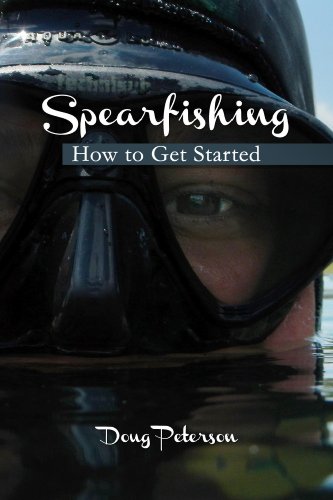
As an aspiring underwater fisherman, it’s essential to understand the basics of this exciting sport. In this article, we’ll cover the necessary steps to get started, from learning about the risks and regulations to acquiring the right equipment.
Understanding the Risks of Underwater Fishing
Underwater fishing is a complex discipline that requires knowledge of various factors, including pressure changes, breathing techniques, and decompression procedures. Before you dive in (pun intended), it’s crucial to understand the potential risks involved. Learn about the importance of proper training, technique, and safety protocols to ensure a safe and enjoyable experience.
Some key points to consider:
- Pressure hazards: Underwater fishing can be hazardous due to pressure changes, which can cause nitrogen narcosis, decompression sickness, or even death.
- Breathing difficulties: Breathing underwater requires specialized techniques and equipment to avoid lung damage or drowning.
- Marine life encounters: Underwater fishing often involves interacting with marine life, such as sharks, jellyfish, or other predators.
Choosing the Right Equipment
When it comes to underwater fishing, having the right equipment is essential. A well-chosen wetsuit, for example, can make all the difference in terms of comfort and performance. Here are some tips for selecting the perfect wetsuit:
- Size matters: Make sure to choose a wetsuit that fits snugly but not too tightly.
- Material: Look for high-quality neoprene or silicone-based materials that provide excellent flexibility and insulation.
- Thermal layers: Consider wearing thermal layers under your wetsuit for added warmth.
Finding an Expert Instructor
For beginners, it’s highly recommended to work with an experienced instructor who can teach you the techniques and safety protocols necessary for successful underwater fishing. Many organizations offer guided courses and workshops, so be sure to explore these options.
Some key points to consider:
- Expertise: Look for instructors with extensive experience in underwater fishing and safety procedures.
- Certification: Ensure that your instructor is certified by a reputable organization, such as PADI or NAUI.
- Small class sizes: Opt for classes with small student-to-instructor ratios to ensure personalized attention.
Understanding Local Regulations
Before you start fishing, familiarize yourself with local regulations regarding permits, licenses, and catch limits. These laws are in place to protect both the environment and the fish populations, ensuring a sustainable and enjoyable experience for all participants.
Some key points to consider:
- Permits: Check if any special permits or licenses are required for underwater fishing in your area.
- Catch limits: Understand the local catch limits and restrictions on species, size, and quantity.
- Seasonal closures: Be aware of seasonal closures or restricted areas due to conservation efforts or other environmental factors.
Tips for a Successful Underwater Fishing Experience
Here are some additional tips to help you make the most of your underwater fishing adventure:
- Practice patience: Take your time when waiting for bites, and don’t rush through the experience.
- Stay relaxed: Maintain good body position and breathing techniques to conserve energy and improve visibility.
- Respect the environment: Follow local regulations and handle fish gently to minimize harm to the ecosystem.
Getting Started with Underwater Fishing: A Step-by-Step Guide
To help you get started, here’s a step-by-step guide:
- Find an instructor or join a guided tour
- Acquire necessary equipment
- Learn local regulations and safety protocols
- Start practicing patience and relaxation techniques
- Respect the environment and follow local guidelines
By following these steps and staying committed to your underwater fishing journey, you’ll be well on your way to becoming a successful and responsible angler.
Frequently Asked Questions (FAQs)
Here are some answers to common questions about underwater fishing:
- Q: How much does it cost to go underwater fishing?
A: The cost of underwater fishing can vary depending on the location, instructor, and equipment rental. - Q: What’s the minimum age requirement for underwater fishing?
A: Typically, there is no specific age limit for underwater fishing, but some instructors may recommend a certain age range for safety reasons. - Q: Can I go underwater fishing alone or do I need an instructor?
A: While it’s possible to go underwater fishing alone, working with an experienced instructor can provide valuable guidance and ensure your safety. - Q: Are there any specific health conditions that should be considered when going underwater fishing?
A: Certain medical conditions, such as heart problems or respiratory issues, may require special precautions or restrictions when participating in underwater fishing activities.
By answering these questions and staying informed about the best practices for underwater fishing, you’ll be better equipped to enjoy this exciting sport while prioritizing your safety and well-being.


