
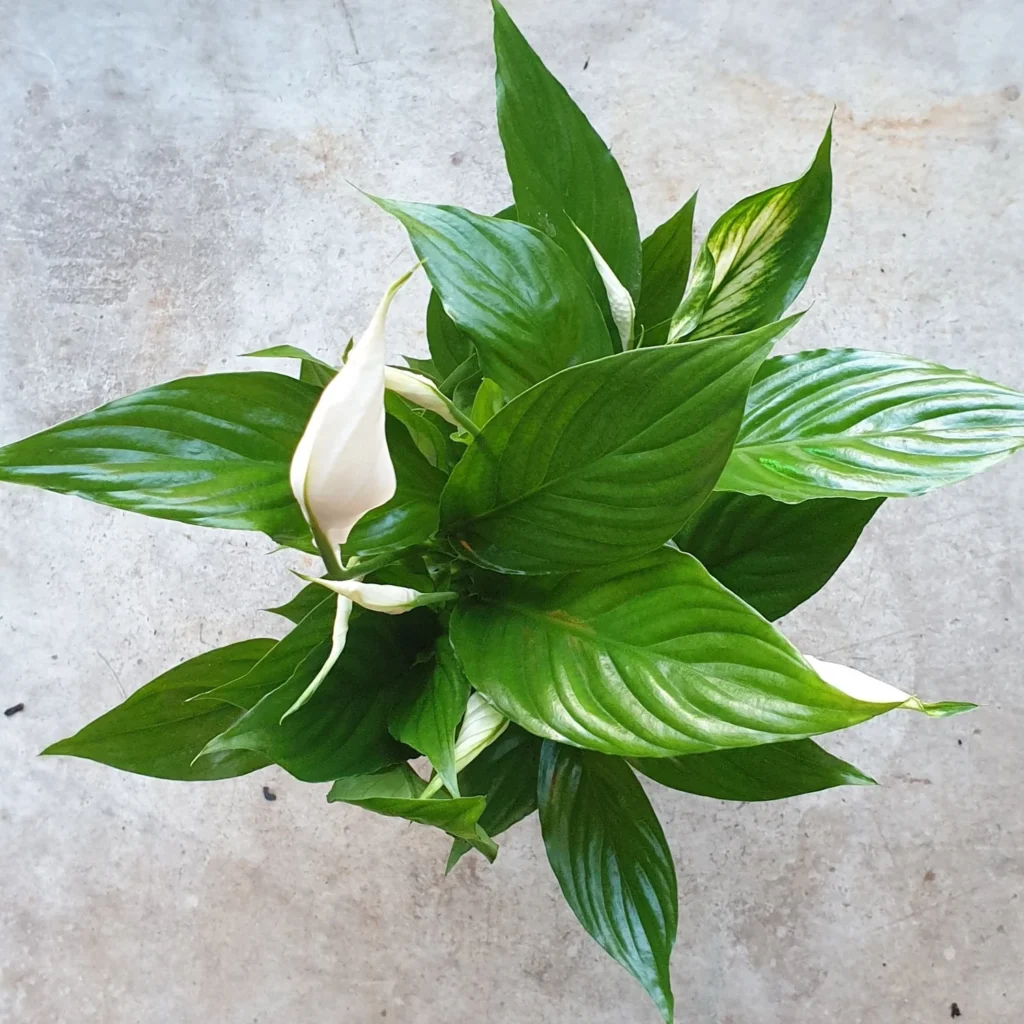
If you’re looking for a beautiful and low-maintenance houseplant, the spatifillo is an excellent choice. This charming plant from the Araceae family produces many intense green leaves, blooms periodically, and requires minimal care. The spatifillo’s unique appearance and adaptability to indoor conditions make it a popular choice among houseplant enthusiasts.
Understanding the Spatifillo’s Needs
The spatifillo is a popular choice among apartment dwellers due to its ability to thrive in low-light conditions and tolerate occasional neglect. To keep your spatifillo happy, it’s essential to provide it with the right environment and attention. Here are some key factors to consider:
- Lighting: Spatifillos prefer bright, indirect light but can tolerate low light conditions. Direct sunlight can cause scorching of the leaves, so it’s best to place your plant near a north-facing window or use grow lights.
- Temperature: Spatifillos thrive in temperatures between 15-25°C (59-77°F), making them suitable for indoor spaces.
- Watering: Overwatering can lead to root rot and other problems. Check the soil moisture by sticking your finger into the soil up to the first knuckle. If the soil feels dry, it’s time to water your spatifillo.
- Humidity: Spatifillos prefer a humid environment, but they can adapt to average humidity levels found in most indoor spaces.
Choosing the Right Location for Your Spatifillo
When placing your spatifillo, make sure it receives bright, indirect light. Avoid direct sunlight, which can cause scorching of the leaves, and keep it away from drafts and cold air vents. A south-facing window or a spot near an east- or west-facing window is ideal.
Caring for Your Spatifillo in Summer
In the summer months, you can transfer your spatifillo to a sunny balcony or garden, but be sure to provide partial shade. The plant needs regular watering, with a fertilizer applied every 10-15 days during the growing season.
- Watering: Water your spatifillo when the top inch of soil feels dry to the touch.
- Fertilizing: Feed your spatifillo with a balanced, water-soluble fertilizer during the growing season (spring-fall).
- Pruning: Remove any yellow or damaged leaves to prevent pests from taking hold. Use a soft-bristled brush or a damp cloth to clean the leaves, and be sure to dry them thoroughly to prevent fungal growth.
Winter Care for Your Spatifillo
As the temperature drops, it’s essential to bring your spatifillo indoors. This tropical plant can’t tolerate temperatures below 8-10°C (46-50°F). Keep it in a warm room with a consistent temperature of around 20°C (68°F), and avoid sudden temperature changes.
- Temperature: Keep your spatifillo away from drafty windows, radiators, and air conditioning vents.
- Humidity: Use a humidifier to maintain a humidity level of around 40-60%.
- Watering: Reduce watering in the winter months, as the plant is less active. Water only when the soil feels dry to the touch.
Hydration: How Much Water Should You Give Your Spatifillo?
You might be surprised to learn that spatifillos need more water in the winter months than in the summer. This is because they’re exposed to dry air indoors, while being outdoors during the warmer seasons. To ensure your spatifillo receives enough moisture, use demineralized water and avoid overwatering.
Pruning Your Spatifillo
When pruning your spatifillo, remove any yellow or damaged leaves to prevent pests from taking hold. Use a soft-bristled brush or a damp cloth to clean the leaves, and be sure to dry them thoroughly to prevent fungal growth.
- Removing Dead Leaves: Remove any dead or dying leaves to maintain the plant’s appearance and promote healthy growth.
- Trimming Stems: Trim back long stems to encourage new growth and prevent the plant from becoming leggy.
Pest Control: How to Keep Your Spatifillo Healthy
Before moving your spatifillo indoors for the winter, inspect it carefully for any signs of pests like spider mites, mealybugs, or scale. If you find any, treat the plant promptly with insecticidal soap or neem oil.
- Inspecting for Pests: Check your spatifillo regularly for signs of pests, such as white powdery patches or tiny eggs.
- Treating Pests: Use insecticidal soap or neem oil to treat any infestations promptly and effectively.
The Air-Purifying Benefits of Your Spatifillo
In addition to its beauty and low-maintenance requirements, the spatifillo is also an excellent air purifier. It can help eliminate VOCs (volatile organic compounds) from the air, making it a great choice for indoor spaces.
- Air Purification: The spatifillo’s unique shape and size allow it to trap pollutants in the air, helping to improve indoor air quality.
- VOC Removal: The plant can help remove VOCs from the air, which is especially beneficial in areas with high levels of pollution.
Frequently Asked Questions
Q: Can I grow spatifillos outdoors year-round?
A: While spatifillos can tolerate some outdoor conditions, they’re typically grown as houseplants in cooler climates. In warmer regions, bring your spatifillo indoors during the winter months to protect it from extreme temperatures.
Q: How often should I water my spatifillo?
A: Water your spatifillo when the top inch of soil feels dry to the touch. Avoid overwatering, which can lead to root rot and other problems.
Q: Can I propagate spatifillos using stem cuttings?
A: Yes, you can propagate spatifillos by taking 4-6 inch stem cuttings in the spring or summer. Remove lower leaves, dip the cutting in water or a rooting hormone mixture, and plant it in a well-draining potting mix.
Q: What are some common pests that affect spatifillos?
A: Some common pests that target spatifillos include spider mites, mealybugs, scale, and aphids. Inspect your plant regularly for signs of infestation, and treat promptly if necessary.
Q: Can I grow spatifillos in a pot with poor drainage?
A: No, spatifillos prefer well-draining soil to prevent root rot. If you’re using a pot with poor drainage, consider repotting your spatifillo in a container with good drainage holes.
Q: How often should I fertilize my spatifillo?
A: Feed your spatifillo with a balanced, water-soluble fertilizer during the growing season (spring-fall). Dilute the fertilizer to half the recommended strength to avoid burning the roots.
Q: Can I grow spatifillos in low-light conditions?
A: While spatifillos can tolerate some low light, they prefer bright, indirect light. If you’re growing your spatifillo in a low-light space, consider using grow lights to supplement the natural light.


