
Introduction
In this article, we’ll delve into the fascinating world of spaghetti squash, a type of winter squash that’s gained popularity in recent years due to its unique characteristics and versatility. We’ll explore what it is, how to cook it, where to find it, and even provide tips on how to cultivate your own.
What is Spaghetti Squash?
Spaghetti squash (Cucurbita pepo subsp. pepo) is a variety of winter squash that’s known for its elongated shape and edible flesh, which resembles spaghetti when cooked. The skin can be yellow, orange, or green, depending on the specific type. Unlike other types of squash, spaghetti squash has a thinner skin that’s easy to cook through.
History of Spaghetti Squash
Spaghetti squash is believed to have originated in North America, where it was first cultivated by indigenous tribes. The word “spaghetti” was actually coined in the 1950s by a farmer named Glen Friesen, who discovered the squash’s unique texture and decided to market it as a pasta alternative.
Nutritional Benefits of Spaghetti Squash
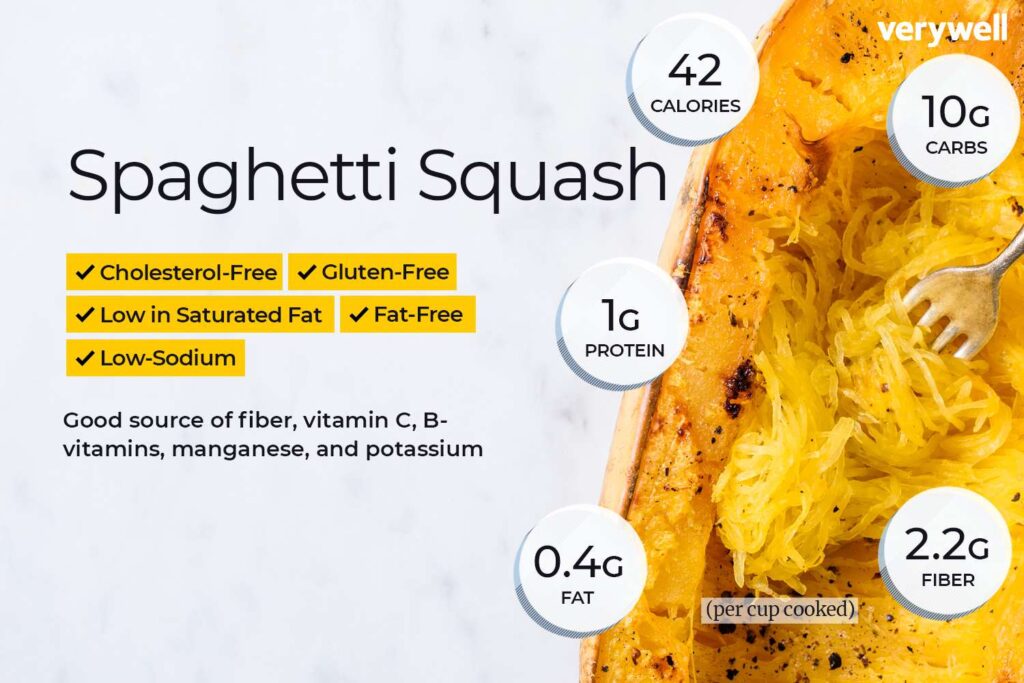
Spaghetti squash is an excellent source of nutrients, including:
- Fiber: helps lower cholesterol levels and promote digestive health
- Vitamins A and C: essential for immune function and healthy skin
- Vitamin K: crucial for blood clotting and bone health
- Potassium: helps regulate blood pressure and support overall cardiovascular health
Cooking Spaghetti Squash
Spaghetti squash is incredibly versatile when it comes to cooking methods. You can boil, steam, roast, or even microwave it. Simply cut the squash in half, scoop out the seeds, and bake at 400°F (200°C) for about 30-40 minutes. The flesh will be tender and easy to shred.
Tips for Cooking Spaghetti Squash
Here are some additional tips to help you get the most out of your spaghetti squash:
- Don’t overcook: Spaghetti squash can become mushy if overcooked, so aim for al dente texture.
- Use the right tools: A fork or spaghetti spoon is perfect for serving and eating cooked spaghetti squash.
- Add flavor: Try adding garlic, olive oil, salt, and pepper to your spaghetti squash for extra flavor.
Recipes for Spaghetti Squash
There are countless ways to enjoy spaghetti squash. Here are two simple recipes to get you started:
- Spaghetti Squash with Tomato Sauce: Roast the squash in the oven until tender, then top it with a homemade tomato sauce made from canned tomatoes, garlic, and olive oil.
- Spaghetti Squash with Pesto: Sauté the cooked spaghetti squash with some pesto sauce, cherry tomatoes, and grated Parmesan cheese for a quick and easy dinner.
Where to Find Spaghetti Squash
Due to its popularity, you might not find spaghetti squash in every grocery store. However, it’s widely available at farmers’ markets, specialty food stores, or online. You can also try growing your own spaghetti squash using seeds or seedlings from a nursery.
Growing Your Own Spaghetti Squash
Growing your own spaghetti squash is relatively easy and requires minimal maintenance. Here are some tips to get you started:
- Choose the right variety: Look for varieties like ‘Costata’ or ‘White Beauty’, which are known for their high yield and resistance to disease.
- Provide adequate sunlight: Spaghetti squash needs full sun to produce well, so make sure it gets at least 6 hours of direct sunlight per day.
- Water regularly: Keep the soil consistently moist but not waterlogged. Aim for about 1-2 inches of rainfall or irrigation per week.
Tips and Tricks
Here are some additional tips to help you get the most out of your spaghetti squash:
- Freeze for later: Frozen spaghetti squash is perfect for future meals. Simply thaw and reheat as needed.
- Make it a meal prep staple: Cooked spaghetti squash can be stored in the fridge for up to 3 days or frozen for up to 6 months.
Frequently Asked Questions
Here are some common questions people ask about spaghetti squash:
Q: What’s the difference between spaghetti squash and zucchini?
A: Spaghetti squash has a thicker skin that’s easier to cook through, while zucchini is typically more tender and soft.
Q: Can I grow spaghetti squash in containers?
A: Yes! Spaghetti squash can be grown in containers as long as it gets enough sunlight and space to spread out.
Q: How do I store cooked spaghetti squash?
A: Store cooked spaghetti squash in an airtight container in the refrigerator for up to 3 days or freeze it for later use.
Conclusion
Spaghetti squash is a delicious, versatile, and nutritious addition to any meal. With its unique texture and flavor profile, it’s no wonder this winter squash has gained popularity worldwide. Whether you’re looking for new recipe ideas or want to grow your own, we hope this comprehensive guide has been informative and helpful. Happy cooking!


