
Are you looking for a plant-based alternative to meat? Do you want to know more about the health benefits of soya? Look no further! In this article, we will delve into the world of soya, exploring its history, nutritional content, and uses in cooking and medicine.
What is Soya?
Soya, also known as soybean, is an annual legume belonging to the Fabaceae family. Its edible seeds are rich in protein, fiber, and healthy fats, making it a popular choice for vegetarians and vegans. Soya is also used in traditional medicine and as a ingredient in various food products.
History of Soya
Soya has been cultivated for over 3,000 years in Asia, where it was considered a sacred plant. In the Western world, soya was first introduced in the late 19th century and became popular during World War II as a source of protein for meat substitutes.
The history of soya is closely tied to the history of Chinese medicine. In traditional Chinese medicine, soya has been used for centuries to treat a variety of ailments, including digestive issues and menopausal symptoms. Soya was also considered a symbol of good luck and prosperity in Chinese culture.
Nutritional Content of Soya
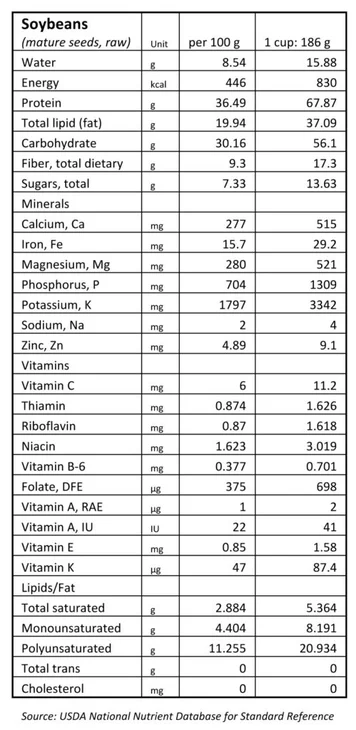
Soya is an excellent source of protein, containing all nine essential amino acids that the human body cannot produce on its own. It is also rich in fiber, healthy fats, and various vitamins and minerals, including iron, calcium, and potassium.
| Nutrient | Amount per 100g serving |
|---|---|
| Protein | 36.9g |
| Fat | 19.8g |
| Carbohydrates | 30.2g |
| Fiber | 9.3g |
| Sugar | 7.3g |
| Sodium | 2mg |
Health Benefits of Soya
Soya has been linked to several health benefits, including:
- Lowering cholesterol levels
- Reducing the risk of heart disease
- Providing relief from menopausal symptoms
- Supporting bone health
- Aiding in weight loss
The high protein content in soya can help to reduce muscle wasting and improve overall health.
Soya is also rich in fiber, which can help to lower cholesterol levels and regulate blood sugar levels.
The healthy fats present in soya can help to lower triglycerides and improve cardiovascular health.
Types of Soya
There are three main types of soya: white soya (also known as yellow soya), black soya, and green soya. Each type has its own unique characteristics and uses in cooking.
White Soya (Yellow Soya)
White soya is the most commonly used type of soya and is often used in meat substitutes and vegetable protein products.
- Pros: High in protein, low in fat
- Cons: May contain GMOs
White soya has a mild flavor and can be cooked using various methods, including boiling, steaming, or frying.
Black Soya
Black soya is a type of soya that has been fermented to create a nutty flavor and darker color. It is often used in traditional medicine and as an ingredient in various food products.
- Pros: High in antioxidants, may help reduce inflammation
- Cons: May be difficult to find in local markets
Black soya has a strong, earthy flavor and can be cooked using slow-cooking methods, such as braising or stewing.
Green Soya
Green soya is a type of soya that has been fermented with green tea leaves to create a unique flavor and color. It is often used in traditional medicine and as an ingredient in various food products.
- Pros: High in antioxidants, may help reduce inflammation
- Cons: May be difficult to find in local markets
Green soya has a delicate, slightly sweet flavor and can be cooked using various methods, including steaming or grilling.
Preparing Soya at Home
Preparing soya at home is easy and can be done using a variety of methods. Here are some tips:
- Use dry roast to enhance the flavor and texture of your soya.
- Add vegetables and spices to create a nutritious and flavorful dish.
- Experiment with different types of soya to find your favorite.
Conclusion
Soya is a versatile and nutritious food that has been enjoyed for centuries. From its rich history to its numerous health benefits, soya is an excellent choice for vegetarians, vegans, and anyone looking to incorporate more plant-based meals into their diet. Whether you’re using it in cooking or as a medicine, soya is definitely worth trying.
Frequently Asked Questions
- Q: Is soya safe to eat?
A: Soya is generally considered safe to eat, but some people may experience digestive issues or allergic reactions. - Q: How do I prepare soya at home?
A: You can dry roast soya and add vegetables and spices to create a nutritious and flavorful dish. - Q: What are the health benefits of soya?
A: Soya has been linked to several health benefits, including lowering cholesterol levels, reducing the risk of heart disease, providing relief from menopausal symptoms, and supporting bone health. - Q: Can I use soya as a substitute for meat?
A: Yes, soya can be used as a substitute for meat in many dishes, making it an excellent choice for vegetarians and vegans.
Conclusion
In conclusion, soya is a nutritious and versatile food that has been enjoyed for centuries. From its rich history to its numerous health benefits, soya is an excellent choice for anyone looking to incorporate more plant-based meals into their diet. Whether you’re using it in cooking or as a medicine, soya is definitely worth trying.
Additional Resources
- For more information on the health benefits of soya, visit the National Institutes of Health website.
- To learn more about traditional Chinese medicine and its use of soya, visit the Academy of Traditional Chinese Medicine website.
- For recipes and cooking tips using soya, visit the Soya Cooking Guide website.
References
- “The History of Soybeans” by the United States Department of Agriculture
- “Soybean Nutrition Facts” by the United States Department of Agriculture
- “Health Benefits of Soybeans” by the National Institutes of Health
- “Traditional Chinese Medicine and Soybeans” by the Academy of Traditional Chinese Medicine


