
As a society, we’re constantly seeking alternatives to dairy milk that align with our dietary preferences and values. One popular option is soy milk, a plant-based beverage derived from soybeans. In this article, we’ll delve into the world of soy milk, exploring its history, nutritional benefits, production process, and uses.
What is Soy Milk?
Soy milk has been consumed for centuries in China, where it originated over 2,000 years ago during the Han Dynasty. The earliest recorded use of soy milk dates back to 82 AD. Today, soy milk is enjoyed globally, with various brands offering their own unique blends and flavors.
How is Soy Milk Made?
The production process involves soaking soybeans in water, then blending them with water to create a milky liquid. The mixture is strained through cheesecloth or a fine mesh to separate the solids from the liquid. Some modern factories use high-speed grinders to break down the soybeans more efficiently.
However, not all commercial soy milk is made using this traditional process. Many brands enrich their products with added ingredients like oils, flavorings, and sweeteners to enhance taste and texture.
Nutritional Benefits of Soy Milk
Soy milk offers a range of nutritional benefits, including:
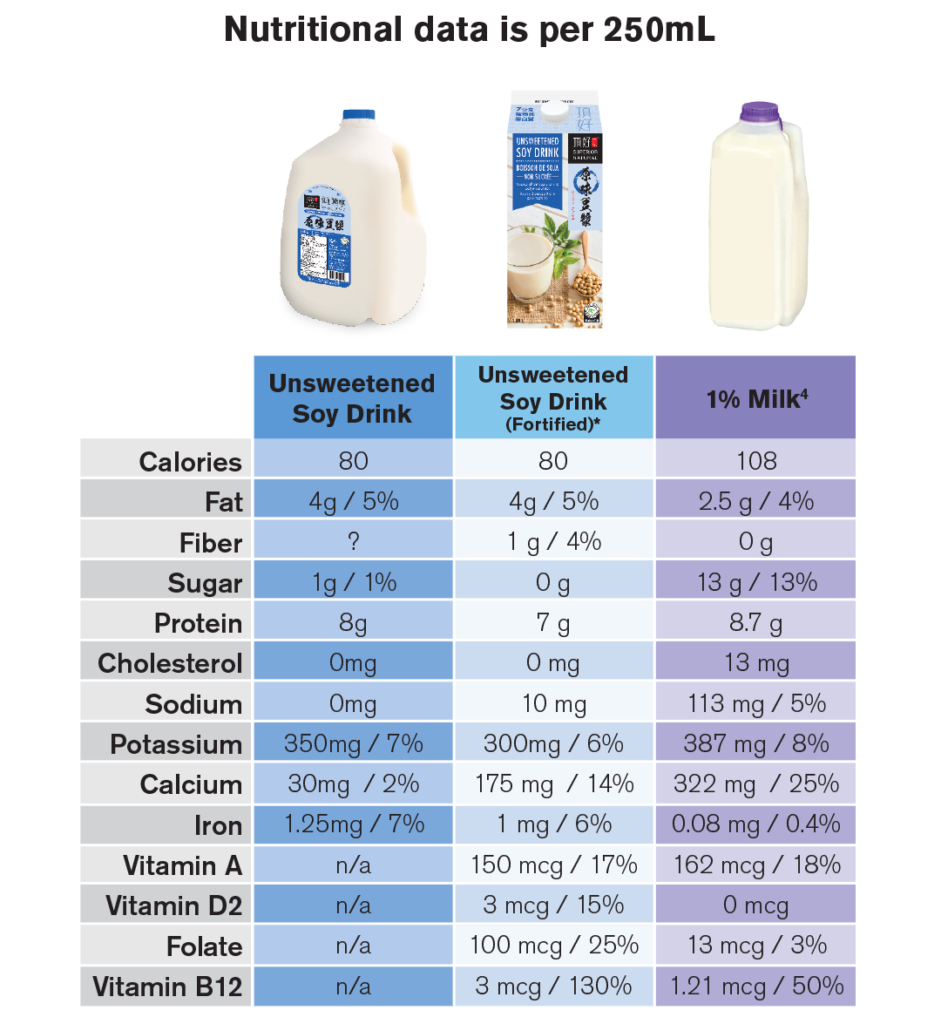
- High protein content: Soy milk contains around 8 grams of protein per cup, making it an excellent option for vegetarians and vegans.
- Rich in isoflavones: Isoflavones are a type of phytoestrogen found in soybeans that may help reduce the risk of certain cancers and heart disease.
- Good source of calcium, potassium, and vitamins A and B: Soy milk is often fortified with these essential nutrients to provide added health benefits.
However, it’s essential to note that soy milk can be low in certain nutrients like vitamin B12 and iron. Look for fortified versions or consider supplementing with these essential vitamins.
Benefits of Soy Milk
Consuming soy milk may have several benefits, including:
- Lower cholesterol levels: Studies have shown that drinking soy milk regularly can help lower cholesterol levels due to the presence of isoflavones.
- Reduced risk of cardiovascular disease: Regular consumption of soy milk may also contribute to reduced blood pressure and decreased risk of heart disease.
- Potential anti-cancer effects: Isoflavones in soy milk have been found to bind to estrogen receptors, potentially reducing the growth of cancer cells.
However, more research is needed to confirm the extent of these benefits. Additionally, some studies suggest that high levels of soy consumption may lead to an increased risk of osteoporosis and estrogen-related issues.
Types of Soy Milk
There are various types of soy milk available, including:
- Unflavored and unsweetened versions: These options allow you to add your own flavorings or sweeteners.
- Flavored and sweetened options: Many brands offer pre-flavored and sweetened soy milk for those who prefer a taste they enjoy.
- Fortified with calcium and vitamins B12 and D: Some brands enrich their products with added nutrients to provide extra health benefits.
When choosing a soy milk brand, consider your dietary needs and preferences. Look for products that align with your values and goals.
Cooking with Soy Milk
Soy milk can be used in various recipes, including:
- Smoothies and protein shakes: Add some spinach or kale to give you an extra nutritional boost.
- Soups and sauces: Use soy milk as a creamy base for soups or sauces.
- Cooking as a substitute for dairy milk: Soy milk can be used in baking, making desserts like cakes, muffins, and cookies.
Here’s a simple recipe to get you started:
Soy Milk at Home: A DIY Guide
Ingredients:
- 1 cup dried soybeans, soaked overnight
- 4 cups water
- A blender or food processor
- Cheesecloth or a fine mesh strainer
- Optional: vanilla extract for added flavor
Instructions:
- Drain and rinse the soybeans.
- Blend them with water until you achieve your desired consistency.
- Strain the mixture through cheesecloth or a fine mesh strainer to separate the solids from the liquid.
- Discard the solids and enjoy your homemade soy milk!
- If desired, add vanilla extract for an extra boost of flavor.
Benefits of Making Your Own Soy Milk at Home
Making your own soy milk at home offers several benefits, including:
- Control over ingredients: Choose what goes into your soy milk to ensure you’re getting the nutrients you need.
- Customizable flavor: Add your favorite fruits or spices to create unique flavors.
- Cost-effective: Making your own soy milk can save you money in the long run.
However, consider the time and effort required for making your own soy milk. It may not be as convenient as buying pre-made soy milk from a store.
FAQs
- Is soy milk suitable for everyone?
Soy milk is generally considered safe for most people, but individuals with severe allergies or sensitivities should exercise caution. - Can I consume soy milk if I’m lactose intolerant?
Yes, soy milk is a popular alternative to dairy milk for those with lactose intolerance. - What are the potential risks of consuming high amounts of soy?
Research suggests that excessive soy consumption may lead to an increased risk of estrogen-related issues and osteoporosis. - Can I make my own soy milk at home?
Yes, making your own soy milk is a simple process involving soaking, blending, and straining soybeans with water. - Is there a recommended daily intake for soy milk?
There’s no specific guideline for soy milk consumption, but it’s generally recommended to limit intake to 1-3 cups per day.
In conclusion, soy milk offers a range of nutritional benefits and uses as a versatile ingredient in various recipes. While more research is needed to confirm its effects on human health, incorporating soy milk into your diet can be a great way to explore plant-based options.


