
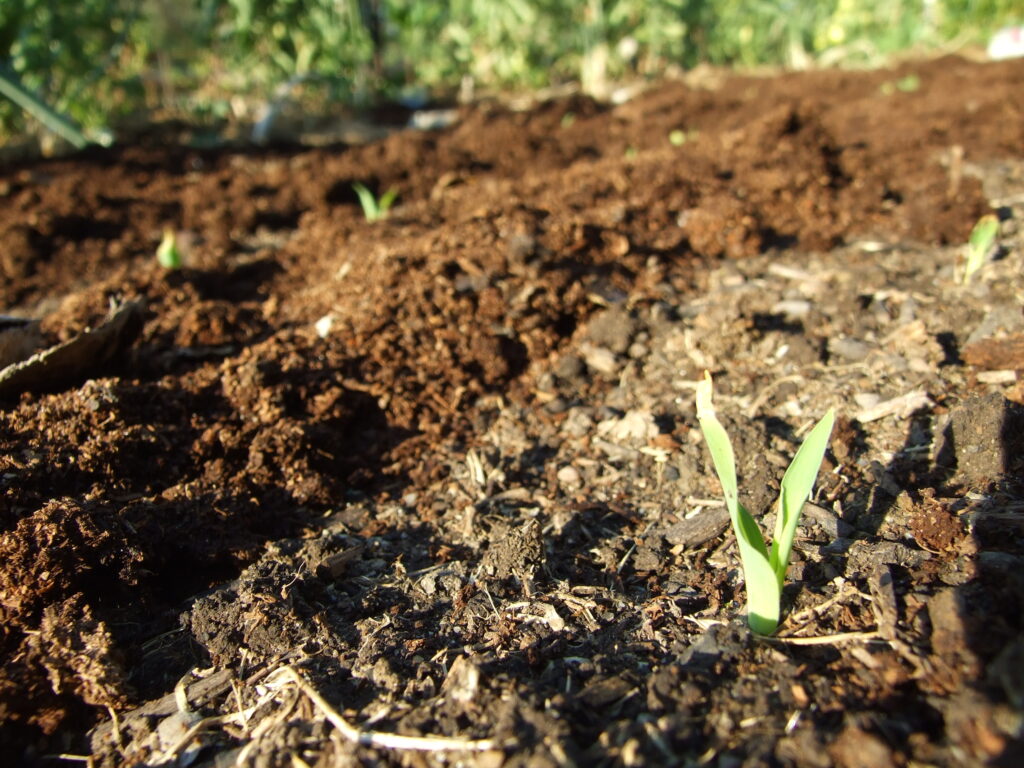
Planting potatoes is an art that requires attention, care, and patience. Whether you’re a seasoned gardener or a beginner, mastering the art of planting potatoes can be a rewarding experience. In this article, we’ll delve into the world of potato cultivation, exploring the best practices, tips, and techniques to ensure a bountiful harvest.
Understanding Potato Cultivation
Potatoes are a versatile crop that can thrive in various climates and conditions. However, they require specific attention to detail when it comes to planting, care, and harvesting. The type of potato variety, climate, and soil quality all play crucial roles in determining the success of your potato crop.
Choosing the Right Variety
With over 4,000 varieties of potatoes worldwide, selecting the right one can be overwhelming. Some popular varieties include:
- All Blue: A semi-precocious or late-maturing variety with a blue skin and white flesh.
- Desirée: A French-type potato with a red skin and yellow flesh, ideal for boiling and frying.
- Kennebec: A medium-tardy variety with a white skin and yellow flesh, perfect for boiling and mashing.
Optimal Planting Times
In temperate climates, the best planting time for potatoes is during the cooler months of spring or fall. However, this can vary depending on your location and climate.
- Spring Planting: In areas with mild winters, planting in late winter to early spring (February-March) can be an excellent option.
- Fall Planting: For regions with hot summers, planting in late summer to early fall (September-October) can ensure a better yield.
Preparing the Soil
A well-draining, fertile soil is essential for healthy potato growth. Before planting, it’s crucial to prepare the soil by:
- Removing Debris: Clearing the area of any debris, rocks, and weeds.
- Adding Organic Matter: Incorporating compost or manure to improve soil structure and fertility.
- Leveling the Ground: Ensuring the ground is level and even.
Sowing Potato Seeds
Potatoes are typically grown from seed potatoes, which are small pieces of mature potatoes with at least one “eye” each. When sowing seeds, it’s essential to:
- Chit the Seed Potatoes: Allow the seed potatoes to sprout for 2-4 weeks before planting.
- Plant at the Right Depth: Plant the chitted seed potatoes at a depth of 2-4 inches (5-10 cm), with the “eyes” facing upwards.
Maintaining Your Potato Crop
Proper care and maintenance are vital to ensure a healthy potato crop:
- Watering: Keep the soil consistently moist, but not waterlogged.
- Fertilization: Apply fertilizer according to the manufacturer’s instructions.
- Pest Control: Regularly inspect your crop for signs of pests or diseases and take action promptly.
Harvesting Your Potatoes
The moment of truth arrives when it’s time to harvest your potatoes. Use the following methods to determine when they’re ready:
- Check for Color: Harvest potatoes when they’ve reached a deep yellow or gold color.
- Dig with Care: Carefully dig around the plants, taking care not to damage the tubers.
Additional Tips and Variations
- Growing Potatoes in Containers: You can grow potatoes in containers using large pots (at least 12 inches deep) filled with a well-draining potting mix.
- Using Raised Beds: Raised beds can also be used for growing potatoes, providing better drainage and warmer soil.
Tips for Beginners
For those new to potato cultivation, here are some additional tips:
- Start Small: Begin with a small plot or container to gain experience and confidence.
- Choose Easy-to-Grow Varieties: Select varieties that are known to be disease-resistant and easy to grow.
- Read Seed Packet Instructions: Carefully follow the instructions on your seed packet for specific planting and care requirements.
Frequently Asked Questions (FAQs)
- What is the best time to plant potatoes?
- The ideal planting time depends on your location and climate. In temperate climates, spring or fall are usually best.
- How often should I water my potato crop?
- Keep the soil consistently moist, but not waterlogged.
- What is the most common type of potato variety?
- Some popular varieties include All Blue, Desirée, and Kennebec.
- Can potatoes be grown in containers?
- Yes, potatoes can be grown in large pots or containers with a well-draining potting mix.
- How long does it take to harvest potatoes?
- Harvesting times vary depending on the variety and growing conditions. Typically, potatoes are ready within 60-90 days of planting.
Common Potato Pests and Diseases
Regular monitoring can help prevent pest and disease issues:
- Aphids: Small, soft-bodied insects that feed on plant sap.
- Slugs and Snails: Slender pests that chew holes in leaves and stems.
- Potato Beetles: Insects that feed on potato foliage and tubers.
Organic Pest Control Methods
Instead of using chemical pesticides, try these organic methods:
- Hand-picking: Regularly inspect your crop for signs of pests and remove them manually.
- Traps: Use sticky traps or bait stations to capture and eliminate pests.
- Companion Planting: Plant certain herbs and flowers alongside your potatoes to repel pests.
Organic Disease Control Methods
Prevent disease by taking these steps:
- Crop Rotation: Rotate your potato crop every year to reduce the risk of disease buildup.
- Soil Disinfection: Apply a fungicide or bacterial agent to disinfect the soil before planting.
- Proper Air Circulation: Ensure good air circulation around your plants to prevent moisture from accumulating.
By following these guidelines and tips, you’ll be able to grow delicious and healthy potatoes in your own backyard!


