
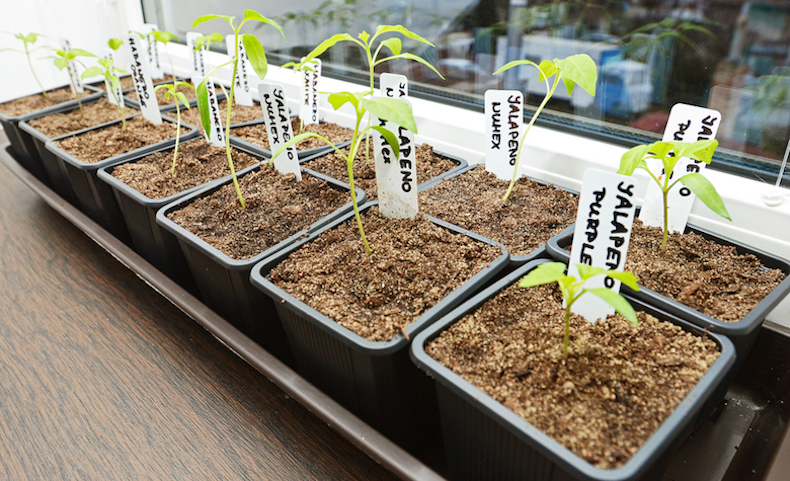
Introduction
Are you ready to spice up your life with a pepperoncino? Sowing the seeds of this fiery Italian favorite can seem intimidating, but trust us, it’s easier than you think! In this comprehensive guide, we’ll walk you through the process of sowing pepperoncino from start to finish. Whether you’re a seasoned gardener or a newbie, you’ll learn how to successfully grow your own pepperoncino and enjoy the rewards of homegrown flavor.
Understanding Pepperoncino
Before we dive into the nitty-gritty of sowing, it’s essential to understand the basics of pepperoncino cultivation. There are many varieties to choose from, each with its unique characteristics, such as heat level and growth habits. When selecting a variety, consider factors like climate, soil type, and desired use (e.g., fresh, dried, or pickled).
Some popular types of pepperoncino include:
- Sweet Pepperoncino: Mild to medium-hot, great for salads and sauces
- Hot Pepperoncino: Medium to hot, ideal for adding a spicy kick to dishes
- Ghost Pepperoncino: Extremely hot, not recommended for beginners
Choosing the Right Time
The ideal time to sow pepperoncino depends on your location and the specific variety you’ve chosen. In general, spring and fall are the best seasons for sowing pepperoncino in temperate climates. For tropical varieties, consider sowing during the cooler months (December to February).
A Brief History of Pepperoncino
Pepperoncino has a rich history dating back to ancient times. Originating from the Americas, this spicy delight was introduced to Europe by Spanish conquistadors. Today, pepperoncino is enjoyed worldwide for its unique flavor and heat.
The name “pepperoncino” comes from the Italian words “peperone,” meaning bell pepper, and “nocino,” a type of pepper that is similar to a hot pepper. This name refers to the original variety of pepperoncino that was grown in Italy, which had a sweet and slightly spicy flavor.
The Art of Sowing
Now that we’ve covered the basics, let’s get down to business! Sowing pepperoncino is a straightforward process that requires attention to detail. Here are the steps:
- Selecting the Right Container: Choose containers with good drainage and adequate space for the seeds to germinate. A minimum depth of 2-3 inches (5-7.5 cm) is recommended.
- Preparing the Soil: Mix a well-draining potting mix with humus from red worms (if possible) to create an ideal growing medium. The soil should be slightly acidic, with a pH between 6.0 and 7.0.
- Sowing the Seeds: Plant the seeds at a depth of about 1-2 cm, depending on the variety. Cover the seed with a thin layer of soil and water gently. Use a gentle touch to avoid compacting the soil.
- Maintaining Optimal Conditions: Keep the temperature between 20-25°C (68-77°F) and provide sufficient moisture. Pepperoncino seeds germinate best in temperatures between 18-22°C (64-72°F).
The Science Behind Sowing Pepperoncino
While it may seem like magic, sowing pepperoncino is rooted in science! Here’s what you need to know:
- Seed Germination: Seeds germinate when exposed to the right combination of temperature, light, and water. This process typically takes 7-14 days.
- Plant Growth: As the seedling grows, it develops its root system, leaves, and eventually produces flowers and fruits.
Tips for Beginners
As a beginner, you might encounter some challenges while sowing pepperoncino. Here are some valuable tips to help you overcome these hurdles:
- Start Small: Begin with a few seeds and gradually expand your harvest.
- Be Patient: Sowing pepperoncino requires time and attention. Don’t rush the process!
- Learn from Mistakes: Analyze what went wrong and try again.
Growing Pepperoncino Indoors
If you’re eager to grow pepperoncino indoors, follow these steps:
- Prepare the Environment: Set up a growbox or container with sufficient lighting and heating. Aim for a temperature range of 18-22°C (64-72°F) during the day and around 15-18°C (59-64°F) at night.
- Maintain Optimal Conditions: Regulate humidity, light exposure, and watering schedules according to your specific pepperoncino variety.
- Monitor Growth: Regularly check for signs of growth, pests, and diseases.
Common Mistakes to Avoid
When sowing pepperoncino, there are some common mistakes that beginners often make. Here’s how to avoid them:
- Overwatering: Make sure the soil is not too wet, as this can lead to root rot.
- Insufficient Light: Provide enough light for your pepperoncino seedlings to grow properly.
- Incorrect Temperature: Avoid exposing your pepperoncino seeds or seedlings to extreme temperatures.
Conclusion
Sowing pepperoncino is an exciting journey that requires attention to detail, patience, and dedication. By following these guidelines and tips, you’ll be well on your way to growing your own delicious and spicy pepperoncino. Happy sowing!
FAQs
Q: What’s the best time to sow pepperoncino in my region?
A: Check the average last frost date for your area and plant seedlings 1-2 weeks after.
Q: How do I protect pepperoncino seeds from drying out?
A: Use a clear plastic bag or cloche to maintain high humidity.
Q: Can I grow pepperoncino in containers without greenhouses?
A: Yes, but ensure proper ventilation and temperature regulation.
Q: What’s the ideal soil pH for growing pepperoncino?
A: Aim for a slightly acidic to neutral pH (6.0-7.0).
Q: How often should I water my pepperoncino seedlings?
A: Water when the top inch of soil feels dry, avoiding overwatering.
Q: Can I harvest pepperoncino too soon?
A: Yes, but be aware that underripe peppers may not develop their full flavor and heat.


