
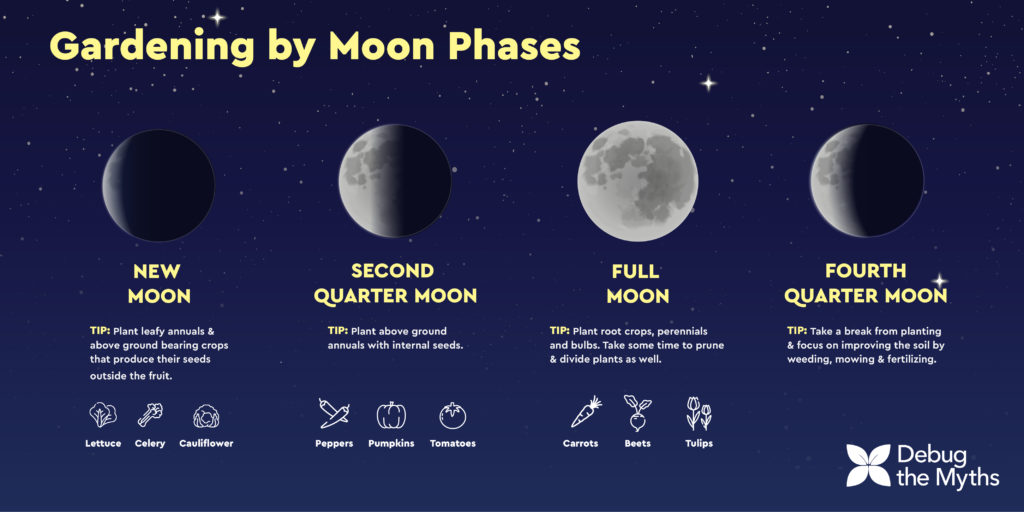
As we walk through our daily routines, it’s easy to overlook the intricate web of natural phenomena that surround us. One such phenomenon is the lunar cycle, which has been a cornerstone of agricultural practices for centuries. While some may view following lunar phases as mere superstition, the truth lies in its profound impact on plant growth and development.
The Science Behind Lunar Phases
Lunar phases are a result of the moon’s orbit around our planet. As the moon grows or wanes, it casts different amounts of light on the Earth, influencing various biological processes. By understanding these phases, farmers can tap into nature’s rhythms to optimize their planting and harvesting strategies.
The lunar cycle is governed by the gravitational pull of the sun and the moon on the Earth. The moon’s orbit is not a perfect circle, which means that its distance from the Earth varies throughout the month. This variation in distance affects the amount of light that reaches the Earth, resulting in different lunar phases.
Recognizing Lunar Phases
To easily identify lunar phases, look for the following characteristics:
- When the moon’s curvature forms a “D” shape, it is in its growing phase.
- When the moon’s curvature forms a “C” shape, it is in its waning phase.
By recognizing these patterns, you can better plan your agricultural activities and align them with the natural world.
Seeding and Lunar Phases in Winter
During the winter months, the growing moon signals the perfect time to plant vegetables that will thrive during the spring-summer season. These include:
- Zucchini
- Bell peppers
- Tomatoes
- Squash
On the other hand, the waning moon is ideal for planting broccoli, fennel, lettuce, and other types of cabbage.
It’s essential to note that winter crops should be planted when the moon is in its growing phase. This allows them to take advantage of the increased sap flow and optimal growing conditions.
Seeding and Lunar Phases in Spring
As the growing moon takes center stage, it’s an excellent time to plant greens like:
- Beet greens
- Chives
- Turnips
- Spinach
In contrast, the waning moon is better suited for planting pumpkins, squash, radicchio, and celery.
Spring crops should be planted when the moon is in its growing phase. This allows them to benefit from the increased sap flow and optimal growing conditions.
Seeding and Lunar Phases in Summer
During the summer months, the waning moon encourages the growth of plants like:
- Dandelion
- Nettle
- Beet
Meanwhile, the growing moon is perfect for planting mint, lentils, thistle, and arugula.
Summer crops should be planted when the moon is in its waning phase. This allows them to benefit from the increased sap flow and optimal growing conditions.
Seeding and Lunar Phases in Autumn
As autumn approaches, the waning moon is ideal for planting cabbage, turnips, shallots, and lettuce. However, if you live in a mild climate or have access to peas or beans, the growing moon can also be beneficial for planting these crops.
Autumn crops should be planted when the moon is in its waning phase. This allows them to benefit from the increased sap flow and optimal growing conditions.
The Mechanisms Behind Plant Growth
So, how do lunar phases influence plant growth? It’s all about the sap flow:
- The growing moon causes sap to rise towards the surface, promoting plant growth.
- The waning moon has an opposite effect, causing sap to retreat towards the roots and soil, making it receptive for nutrient uptake.
This phenomenon is known as the “solar tidal force” or “lunar tidal force.” It’s a natural process that affects the movement of plants and can be harnessed by farmers to optimize crop growth.
Unlocking Nature’s Secrets
For a more in-depth look at lunar phases and their impact on agriculture, be sure to read Anna De Simone’s article “Moon and Sowing: Rules,” published on August 31, 2014.
This article provides an exhaustive guide to using lunar phases in agriculture, including tips for planting, harvesting, and caring for crops. It also covers the history of lunar-based farming practices and offers practical advice for incorporating these methods into your own agricultural routine.
Conclusion
By embracing the power of lunar phases, farmers can tap into nature’s rhythms to optimize crop growth and reduce their reliance on chemical fertilizers and pesticides. While this approach may seem unconventional, it’s rooted in centuries-old agricultural practices that have been refined over time. By recognizing and working with the moon’s cycles, we can cultivate a more harmonious relationship between humans and the natural world.
Frequently Asked Questions
- Q: What are lunar phases, and how do they affect agriculture?
A: Lunar phases refer to the changing shapes of the moon as it orbits our planet. These phases influence plant growth by causing sap to rise or retreat, affecting crop development and yield. - Q: How can I recognize lunar phases?
A: Look for the following characteristics: when the moon’s curvature forms a “D” shape, it is growing; when it forms a “C” shape, it is waning. - Q: What vegetables should I plant during the growing moon phase?
A: Vegetables like zucchini, bell peppers, tomatoes, and squash thrive during the growing moon phase. - Q: Can lunar phases be used to predict crop yields?
A: While lunar phases can influence plant growth, they are not a reliable method for predicting exact crop yields. Other factors like climate, soil quality, and pest management also play crucial roles. - Q: How do I incorporate lunar phases into my farming practices?
A: Start by recognizing the lunar cycles and adjusting your planting schedule accordingly. Experiment with different crops and techniques to find what works best for your specific region and climate. - Q: Can lunar phases be used in conjunction with other agricultural practices?
A: Yes, lunar phases can complement other sustainable farming methods like permaculture, biodynamics, and organic farming. - Q: Are there any potential drawbacks to using lunar phases in agriculture?
A: While lunar phases offer many benefits, they should not be relied upon as the sole method for crop planning. Other factors like weather patterns and soil quality also play critical roles in agricultural success. - Q: How can I learn more about lunar phases and their impact on agriculture?
A: Read articles, attend workshops, or consult with experienced farmers to gain a deeper understanding of lunar cycles and their applications in agriculture.
By embracing the power of lunar phases, farmers can unlock the secrets of nature’s rhythms and cultivate a more harmonious relationship between humans and the natural world. Whether you’re a seasoned farmer or just starting out, incorporating lunar-based practices into your agricultural routine can lead to increased crop yields, reduced chemical usage, and a deeper connection with the land.


