
When it comes to cooking with tomatoes, we often take them for granted. However, the process of sowing tomato seeds is not as simple as it seems. With its specific requirements and nuances, it’s essential to understand how to do it correctly in order to reap a bountiful harvest.
Tomatoes are one of the most widely cultivated vegetables in gardens, but they can be quite finicky when it comes to growing conditions, nutrients, temperature, and sunlight exposure. To achieve optimal results, you need to learn how to sow tomato seeds at the right time and in the perfect environment.
The Best Time to Sow Tomato Seeds
If you plan to sow your tomato seeds directly in the field, wait until April or May, depending on your location. This is because the ideal temperature for germination is just above 20°C (68°F). Tomatoes are sensitive to frost, so it’s crucial not to sow too early.
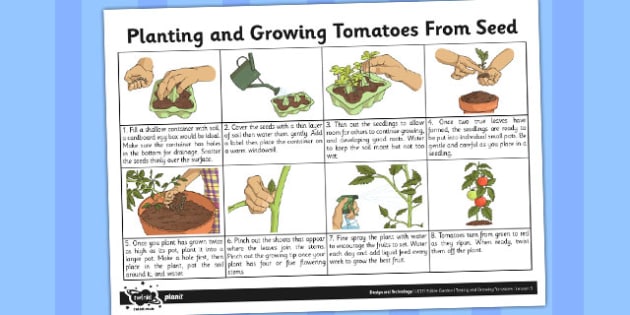
Alternatively, you can start sowing tomato seeds indoors in a greenhouse or indoor garden around February or March. This will give them an extra two months to mature before transplanting them into the outdoor garden. Make sure the temperature is consistently above 12°C (54°F) for optimal germination.
The Influence of the Moon on Tomato Seed Sowing
Some people believe that the phase of the moon has a significant impact on seed germination and plant growth. While there’s no concrete scientific evidence to support this claim, it’s worth noting that many farmers have traditionally used lunar cycles to plan their planting schedules.
During the full moon, there is said to be an increased energy flow towards plants, which may promote healthy growth. However, whether or not this actually happens remains a topic of debate among scientists and gardeners alike.
Preparing the Soil for Tomato Seed Sowing
When it comes to preparing the soil for sowing tomato seeds, you can’t just use any old dirt. Tomatoes require specific conditions to grow well, including good drainage, adequate nutrients, and a pH level between 6.0 and 7.0.
To prepare your soil, start by loosening it with a shovel or spade to a depth of about 30 cm (12 inches). Remove any weeds or debris that may be competing with your tomato plants for resources. Add a layer of compost or well-rotted manure to enrich the soil and improve its structure.
Choosing the Right Variety of Tomato Seed
When selecting a variety of tomato seed, look for ones that are disease-resistant, heat-tolerant, and suitable for your specific climate zone. Some popular varieties include ‘Brandywine’, ‘Cherry Roma’, and ‘Pomodoro’.
If you’re new to growing tomatoes, consider starting with an heirloom or open-pollinated variety, as these tend to be more robust and adaptable.
Sowing Tomato Seeds
When sowing tomato seeds, it’s essential to follow a few basic guidelines:
- Use high-quality seed that is specifically designed for outdoor cultivation.
- Sow the seeds about 2-3 cm (0.8-1.2 inches) deep and spaced about 2-3 cm (0.8-1.2 inches) apart.
- Keep the soil consistently moist during the germination period, but avoid overwatering.
- Transplant the seedlings into individual pots or cell trays once they have two sets of leaves.
Tips for Successful Tomato Seed Sowing
Here are some additional tips to keep in mind when sowing tomato seeds:
- Start with a fresh batch of seeds each year to ensure optimal germination rates.
- Use a clear plastic bag or cloche to cover the seedlings and protect them from pests and diseases.
- Harden off the seedlings before transplanting them into the outdoor garden by gradually exposing them to direct sunlight over the course of 7-10 days.
Managing Tomato Seedlings
Once your tomato seeds have germinated, it’s essential to provide them with adequate care. Here are a few tips for managing your tomato seedlings:
- Provide support: As the plants grow, they’ll need some sort of support to keep them upright and promote healthy growth.
- Mulch around the base: Mulching can help retain moisture in the soil and suppress weeds.
- Prune regularly: Regular pruning can encourage bushy growth and prevent disease.
Common Mistakes to Avoid
There are a few common mistakes that gardeners make when sowing tomato seeds. Here are some things to watch out for:
- Overwatering: Tomato plants don’t like wet feet, so avoid watering them too much.
- Underwatering: On the other hand, tomatoes need consistent moisture to grow well.
- Insufficient sunlight: Tomatoes require a lot of sunlight to produce fruit, so make sure they’re getting at least 6 hours of direct sunlight per day.
Conclusion
Sowing tomato seeds can be a bit tricky, but with the right techniques and knowledge, you’ll be growing delicious, healthy tomatoes in no time. Remember to choose high-quality seed, sow them at the right depth, and provide adequate care for your seedlings.
By following these guidelines and tips, you’ll be well on your way to achieving optimal results from your tomato plants. Happy gardening!
FAQs
- What’s the best time to sow tomato seeds indoors?
Answer: Sow tomato seeds indoors around February or March, when the temperature is consistently above 12°C (54°F). - How deep should I plant tomato seeds?
Answer: Plant tomato seeds about 2-3 cm (0.8-1.2 inches) deep and spaced about 2-3 cm (0.8-1.2 inches) apart. - Can I sow tomato seeds in a greenhouse?
Answer: Yes, you can sow tomato seeds in a greenhouse or indoor garden around February or March, as long as the temperature is consistently above 12°C (54°F). - Do tomatoes need full sun to grow?
Answer: While tomatoes do require some sunlight to grow, they also benefit from partial shade, especially when they’re young. - Can I transplant tomato seedlings into a container?
Answer: Yes, you can transplant tomato seedlings into individual pots or cell trays once they have two sets of leaves.
About the Author
Marta Abbà is a seasoned gardener and writer with a passion for sharing her knowledge with others. She has been growing tomatoes in her backyard for over 10 years and has written extensively on the topic of gardening and outdoor living.


