
Mowing the lawn may seem like a straightforward task, but it requires attention to detail and a bit of planning. In this article, we’ll cover everything you need to know to successfully mow your lawn.
When is the Best Time to Mow Your Lawn?
The best time to mow your lawn depends on several factors, including the temperature, humidity, and type of grass you have. Generally, September is considered the best month to mow your lawn. The cooler temperatures in this season make it ideal for the growth of a lush green lawn.
Why Mowing Your Lawn Matters
Mowing your lawn is not just about keeping it looking neat and tidy; it’s also an essential part of lawn care. By regularly mowing your lawn, you can:
- Prevent weeds from taking over
- Promote healthy grass growth
- Maintain a uniform appearance
How to Prepare Your Lawn for Mowing
Before you start mowing your lawn, make sure you’ve prepared the soil by performing the following tasks:
1. Zap and Level the Soil
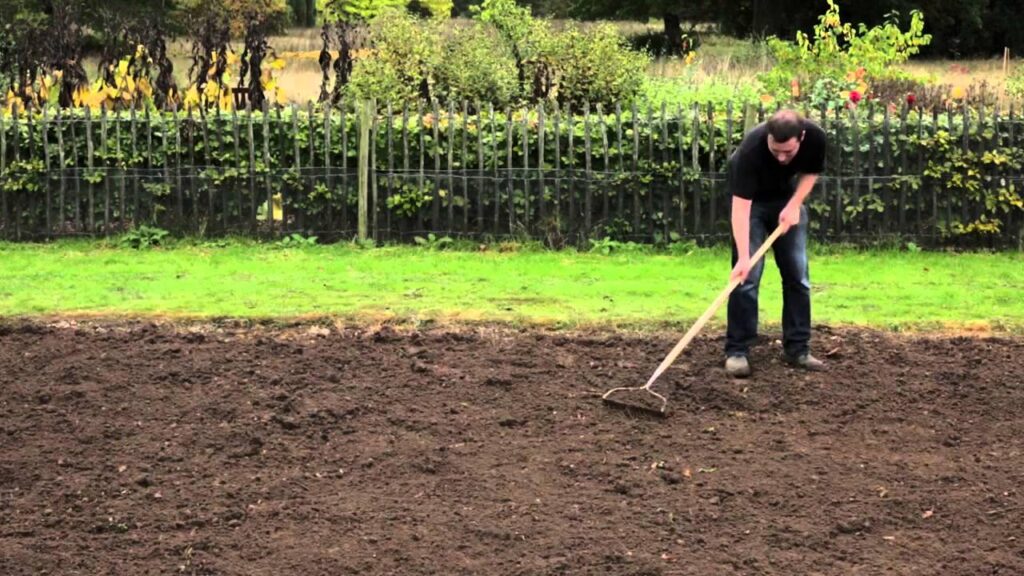
Zapping the soil involves removing debris, rocks, and weeds that can hinder growth. Use a rake or a rototiller to loosen the soil and remove any obstructions. After zapping, level the soil using a rake or a shovel to ensure it’s even and smooth.
2. Remove Residue with a Rake
Use a rake to remove any debris or residue that may have accumulated during the zapping process. This will help create a clean slate for your lawn.
3. Add Nutrients to the Soil
To promote healthy growth, add nutrients to the soil by mixing in compost, manure, or fertilizers specifically designed for lawns. Avoid over-fertilizing, as this can lead to an imbalance of nutrients and harm your lawn.
Choosing the Right Mowing Technique
Now that you’ve prepared your lawn, it’s time to mow. Here are some tips to help you get started:
1. Mow in a Pattern
Mowing in a pattern helps prevent missing spots and ensures even cutting. Start by mowing in one direction, then turn the mower around and mow in the opposite direction.
2. Maintain Your Mower
Regularly maintain your mower to ensure it’s working efficiently. Check the oil, change the blade, and keep the mower clean to prevent damage.
Scheduling Regular Mows
To keep your lawn looking its best, schedule regular mows throughout the growing season. Here are some general guidelines:
- Spring: Mow once a month during the spring season.
- Summer: Mow every week during the summer months.
- Fall: Reduce mowing frequency to once every two weeks.
Tips for Specific Lawn Types
Different types of grass require different care. Here are some tips for specific lawn types:
- Cool-season grasses: Mow at a higher height (2-3 inches) and reduce frequency during the winter months.
- Warm-season grasses: Mow at a lower height (1-2 inches) and increase frequency during the summer months.
Common Mistakes to Avoid
To avoid common mistakes, keep the following tips in mind:
- Don’t mow when the lawn is wet, as this can lead to damage.
- Use a sharp blade to prevent tearing the grass.
- Maintain proper mower height to promote healthy growth.
Conclusion
Mowing your lawn may seem like a simple task, but it requires attention to detail and regular maintenance. By following these tips and scheduling regular mows, you’ll be able to enjoy a lush, green lawn all season long.
FAQs
- What is the best time of day to mow my lawn?
- The best time to mow your lawn is in the early morning or late afternoon when the sun is not too intense.
- How often should I mow my lawn?
- Mowing frequency depends on the type of grass and climate. Generally, mow once a month during the spring season and every week during the summer months.
- What is the ideal mower height for different types of grass?
- Cool-season grasses: 2-3 inches, warm-season grasses: 1-2 inches
- Can I mow my lawn in the rain?
- It’s best to avoid mowing your lawn when it’s wet as this can lead to damage.
- What is the best way to maintain my mower?
- Regularly check the oil, change the blade, and keep the mower clean to prevent damage.
By following these tips and avoiding common mistakes, you’ll be able to enjoy a beautiful, healthy lawn all season long.
Advanced Lawn Care Techniques
For those who want to take their lawn care to the next level, here are some advanced techniques to try:
- Over-seeding: Over-seeding involves applying additional grass seed to areas that need extra growth. This can help thicken up your lawn and reduce weeds.
- Aeration: Aerating your lawn involves creating small holes in the soil using a specialized tool. This helps to improve air circulation, reduce soil compaction, and promote healthy root growth.
- Dethatching: Dethatching involves removing dead grass and debris from your lawn. This can help improve airflow, reduce the risk of disease, and promote healthy growth.
Conclusion
Mowing your lawn is just one part of maintaining a beautiful, healthy lawn. By following these tips and advanced techniques, you’ll be able to enjoy a lush, green lawn all season long. Remember to stay vigilant and keep up with regular maintenance tasks to ensure your lawn continues to thrive.
Final Thoughts
Lawn care can seem like a daunting task, but by breaking it down into smaller, manageable steps, anyone can achieve a beautiful, healthy lawn. By following these tips and avoiding common mistakes, you’ll be well on your way to becoming a lawn care pro.


