
As the snow melts away and the days grow longer, it’s time to get your lawn ready for a lush, green summer. Spring is an excellent time to sow new lawns or refresh existing ones, but it requires careful planning and preparation.
In this article, we’ll walk you through the process of sowing a spring lawn, from preparing the soil to selecting the right seeds. We’ll also cover some essential tips to help you achieve a healthy, thriving lawn.
When to Sow Your Lawn
Spring is an ideal time to sow your lawn, as the weather is generally mild and rainfall is more frequent. However, it’s not the only time of year to sow a new lawn. Autumn can be a good option too, especially if you want to avoid the heat of summer.
In temperate climates, spring is usually the best time for sowing lawns, when daytime temperatures are consistently above 50°F (10°C) and nighttime temperatures are around 40°F (4°C). This allows the seeds to germinate quickly and establish themselves before the hot summer months.
If you live in an area with a longer or shorter growing season, it’s essential to adjust your sowing schedule accordingly. For example:
- In warmer climates, autumn is often the best time for sowing lawns.
- In cooler climates, spring may be too cold for some grass types, and you should wait until temperatures have warmed up.
- In areas with frost, it’s best to sow lawn seeds after the last frost date.
Preparing the Soil
Before sowing your lawn, it’s essential to prepare the soil. You’ll need to:
- Level the ground: Ensure the area is level and even. This will prevent water from collecting in one spot and help the seeds germinate evenly.
- Remove debris: Clear the area of any debris, such as leaves or twigs.
- Check pH levels: Test the soil pH to ensure it’s within the optimal range for your chosen grass type.
The ideal pH range for lawns varies depending on the grass type:
- Perennial Ryegrass: pH 6.0-7.0
- Bentgrass: pH 5.5-6.5
- Kentucky Bluegrass: pH 6.0-7.0
If your soil pH is outside this range, you can adjust it by adding lime or sulfur. However, be careful not to over-correct, as excessive fertilizer can harm the grass.
Choosing the Right Seeds
With so many types of grass seed available, choosing the right one can be overwhelming. Consider factors such as:
- Climate: Different grasses thrive in different climates. Choose a type that’s suitable for your region.
- Soil type: Select a grass type that’s adapted to your soil type.
- Usage: If you plan to use your lawn for heavy foot traffic or pets, choose a more durable grass type.
Some popular options include:
- Perennial Ryegrass: A fast-growing, fine-textured grass ideal for lawns with full sun to partial shade.
- Bentgrass: A soft, dense grass perfect for golf courses and sports fields.
- Kentucky Bluegrass: A dark green, fine-textured grass suitable for lawns with partial shade.
When selecting seeds, also consider factors such as:
- Seed quality: Choose high-quality seeds that are specifically formulated for your region and climate.
- Germination rate: Look for seeds with a high germination rate (usually above 90%).
- Disease resistance: Consider grass types that are resistant to common lawn diseases in your area.
Sowing the Seeds
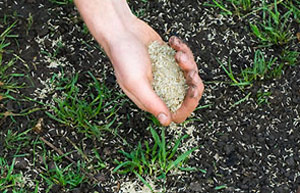
Once you’ve prepared the soil and chosen the right seeds, it’s time to sow them. Here are some tips:
- Use the right amount of seed: Follow the manufacturer’s instructions for seeding rates.
- Apply the correct depth: Spread the seeds evenly and maintain a consistent depth (usually 1-2 inches).
- Rake the soil gently: Use a rake or broom to gently firm the soil, ensuring good contact between the seeds and the ground.
When sowing grass seed, it’s essential to:
- Sow in a thin layer: Avoid compacting the soil by spreading the seeds thinly.
- Avoid over-sowing: Too much seed can lead to overcrowding and reduced growth.
- Use a starter fertilizer: Apply a starter fertilizer according to the manufacturer’s instructions to promote healthy germination.
Aftercare
After sowing your lawn, it’s essential to provide proper care:
- Water regularly: Keep the soil consistently moist during the first few weeks after sowing.
- Mow at the right height: Maintain a mowing height of 2-3 inches to promote healthy growth.
- Fertilize: Apply fertilizer according to the manufacturer’s instructions to support healthy growth.
Common Mistakes to Avoid
When sowing your lawn, it’s easy to make mistakes. Here are some common ones to watch out for:
- Not preparing the soil properly: Failure to level and prepare the ground can lead to poor germination.
- Using too much seed: Excessive seeding rates can lead to overcrowding and reduced growth.
- Not providing adequate care: Inadequate watering, mowing, and fertilization can lead to a weak and unhealthy lawn.
By following these tips and avoiding common mistakes, you’ll be well on your way to growing a lush, green lawn that will thrive all season long.
FAQs
- When should I sow my lawn?
- Spring is generally the best time to sow lawns in temperate climates. Autumn can also be an option.
- How often should I water my lawn?
- Keep the soil consistently moist during the first few weeks after sowing, then reduce watering frequency as the grass grows.
- What’s the best type of grass for heavy foot traffic?
- Perennial Ryegrass and Kentucky Bluegrass are good options for lawns with heavy foot traffic due to their density and durability.
- How long does it take for my lawn to grow?
- The growth rate of your lawn depends on factors such as climate, soil quality, and maintenance. Expect 1-3 inches of growth per week in ideal conditions.
Additional Tips
Here are some additional tips to help you achieve a healthy, thriving lawn:
- Aerate your lawn: Regular aeration can improve drainage and reduce soil compaction.
- Dethatch your lawn: Remove dead grass and debris to promote healthy growth and prevent pests and diseases.
- Monitor for pests and diseases: Keep an eye out for common lawn pests and diseases, and take action promptly if you notice any issues.
By following these guidelines and tips, you’ll be able to create a beautiful, lush lawn that will bring joy and satisfaction all season long. Happy gardening!


