
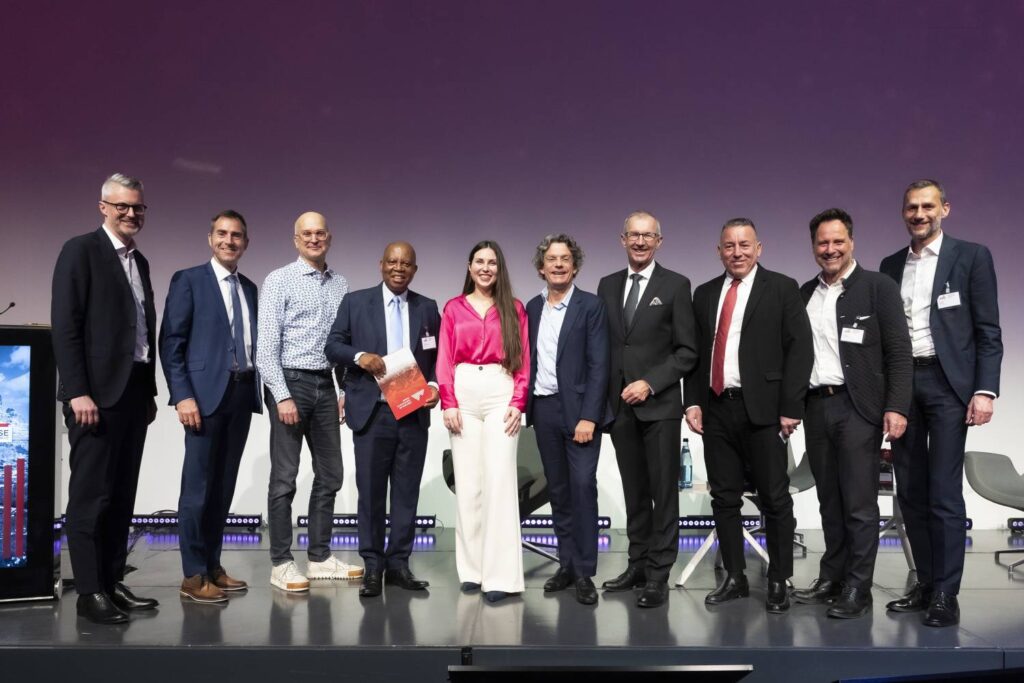
As I sit down with Thomas Aichner, the President of IDM Südtirol, to discuss how Alto Adige won the prestigious “Smart Cities Against Pollution” award, I am filled with a mix of excitement and curiosity. What sets Alto Adige apart from other regions in Italy? How has their commitment to sustainability led to such remarkable results?
Alto Adige, located in the northernmost part of Italy, is known for its breathtaking natural beauty, rich history, and unique cultural heritage. The region’s picturesque landscapes, towering mountains, and sparkling rivers make it a popular destination for tourists and outdoor enthusiasts alike. However, with great natural beauty comes significant environmental challenges, such as air pollution, climate change, and waste management.
In an effort to address these issues, the government of Alto Adige launched an initiative to promote sustainable architecture and urban planning practices throughout the region. This ambitious project aimed to reduce the ecological footprint of buildings, infrastructure, and daily life in Alto Adige, while also creating a more livable and sustainable environment for its residents.
A Journey to Sustainability
In July 2016, Thomas Aichner accepted the award on behalf of Alto Adige at the Salone d’Onore Palazzo della Triennale di Milano. This marked a significant milestone for the province, as it was the first in Italy to introduce green concepts into architectural realizations and construction technologies.
The journey towards sustainability began with a thorough analysis of the region’s energy consumption patterns. The results showed that Alto Adige relied heavily on fossil fuels, which contributed significantly to air pollution and climate change. To address this issue, the government implemented policies aimed at increasing energy efficiency, reducing waste, and promoting renewable energy sources.
What does this award mean to your territory?
This recognition brings us immense satisfaction. For us, it represents a tribute to our approach and the concrete work we’ve done, both through public initiatives and partnerships with local businesses.
The “Smart Cities Against Pollution” award is more than just an honor; it’s a call to action that encourages other cities and regions to follow in Alto Adige’s footsteps. By showcasing the region’s commitment to sustainability, we hope to inspire others to adopt similar practices and create a ripple effect that benefits not only our environment but also our economy and quality of life.
Have you received other accolades for your sustainability efforts?
Yes, but so far they have been focused on individual initiatives, mainly at the municipal or corporate level. The “Smart Cities Against Pollution” award is the first to acknowledge our collective efforts across the entire province.
While these awards are certainly gratifying, they pale in comparison to the tangible benefits of our sustainability efforts. By investing in renewable energy sources, reducing waste, and promoting sustainable building practices, we’ve created a healthier environment for our residents and protected the region’s natural beauty for future generations.
In practical terms, what did it mean to introduce sustainability into architectural and construction practices?
This new approach has had tangible effects on building regulations. At first glance, some might see them as critical. However, they have led to significant improvements in energy efficiency and reduced waste.
The implementation of sustainable architecture and urban planning practices has transformed the way we design and build our cities. By incorporating green technologies and renewable energy sources into construction projects, we’ve created buildings that not only minimize their ecological footprint but also provide a high level of comfort and quality of life for residents.
An example of this shift towards sustainability:
A simple yet effective example is the lower upfront cost of sustainable buildings compared to traditional ones. Although there are initial costs associated with green technologies, these savings become apparent over time, especially through reduced energy consumption for heating and cooling.
For instance, a study by the University of Trento found that the average new building in Alto Adige consumes around 10,000-15,000 kWh of electricity per year. In contrast, sustainable buildings can reduce this energy consumption to as low as 2,500-3,500 kWh per year. These savings not only lower energy bills but also contribute to a reduction in greenhouse gas emissions.
Communicating the Value of Sustainability
It’s crucial to convey the value of preserving natural beauty. We need to emphasize that quality comes at a cost, and these costs must be justified. This message needs to reach both families and businesses, as they are often hesitant to invest in sustainable initiatives without seeing their benefits upfront.
To communicate the value of sustainability, we’ve implemented various public awareness campaigns, including educational programs for schools, workshops for local business owners, and community events that showcase the benefits of sustainable living. By engaging with our residents and stakeholders, we hope to inspire a sense of ownership and responsibility towards our environment.
The Economic Impact of Sustainability
Sustainability has an economic benefit through innovation, reduced waste, and a growing market for environmentally friendly products and services. By investing in sustainable technologies and practices, businesses can reduce costs, increase efficiency, and tap into the growing demand for eco-friendly goods and services.
In Alto Adige, we’ve seen significant investments in renewable energy sources, such as solar and wind power. These initiatives have not only reduced our reliance on fossil fuels but also created new economic opportunities for local farmers and entrepreneurs who are developing sustainable agricultural practices.
Resident and Tourist Reactions: A Positive Response
Alto Adige’s commitment to sustainability has received positive reactions from both residents and tourists, who appreciate the natural beauty and high biodiversity of the region. Visitors can explore our unique cultural heritage, hike through our stunning landscapes, or simply enjoy the local cuisine and hospitality.
However, we’ve also seen a growing demand for sustainable tourism practices that prioritize environmental conservation while still providing an authentic and enjoyable experience for visitors. By promoting eco-friendly accommodations, transportation options, and recreational activities, we’re working to create a more responsible and sustainable tourism industry in Alto Adige.
Advice for Those Looking to Implement Sustainability:
I would say: “Reuse, Reduce, Recycle” (with an additional R: “Rethink”). Imagine your city or region as a sustainable and clean haven. Once you take that step, the benefits become apparent.
Implementing sustainability practices requires a willingness to think differently about how we design and build our cities. It demands a commitment to innovation, collaboration, and shared responsibility among residents, businesses, and local authorities.
Where can readers learn more about Alto Adige’s sustainability initiatives?
Readers can explore our official website for more information on our green initiatives and visit us on social media platforms like Twitter, Facebook, Google+, Pinterest, and beyond! We’re always happy to share our experiences, tips, and best practices with those who are interested in adopting sustainable practices in their own communities.
By embracing sustainability and working together towards a common goal, we can create healthier environments for ourselves and future generations. As Thomas Aichner so eloquently put it: “We need to rethink the way we live, work, and interact with our environment. By doing so, we’ll not only preserve our natural beauty but also ensure a better quality of life for all.”


