
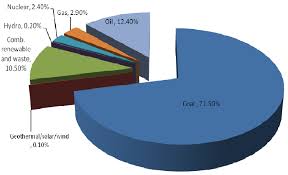
The South African government has announced a plan to transition to renewable energy sources, aiming to reduce the country’s reliance on fossil fuels. The initiative involves the development of wind, solar, and geothermal power plants, which will generate a significant portion of the country’s electricity.
The Renewable Energy Independent Power Producer Procurement Programme (REIPP)
The REIPP program is the first step in the South African Department of Energy’s plan to increase the use of renewable energy. The program consists of a series of bidding processes that aim to secure projects for implementation by 2013. The initial goal is to add 3,275 gigawatts (GW) of renewable energy capacity to the national grid.
Aims and Objectives
The primary objective of REIPP is to increase the share of renewable energy in South Africa’s electricity mix. However, the government has set a more ambitious target for 2020, aiming to add an additional 3,200 GW of renewable energy capacity. This will bring the total renewable energy capacity to over 6,400 GW.
Funding the Renewable Energy Transition
So, where are the funds coming from to support this transition? The answer lies in the country’s carbon tax. The government has introduced a tax on greenhouse gas emissions from industries, which is expected to generate significant revenue. Every ton of CO2 emitted by industrial activities will be taxed at approximately $16 per ton, with an annual increase of 10% until 2020.
Energy Demand and Supply
South Africa’s energy demand stands at 41 gigawatts (GW) per year, with the majority of electricity being generated from fossil fuels. The country is one of the top 20 emitters of greenhouse gases globally due to its high reliance on coal. However, the government has announced plans to add new power plants to the national grid, including:
- 2.5 GW from coal
- 2.5 GW from natural gas
- 2.6 GW from hydroelectricity
- 9.6 GW from nuclear energy
The Role of Renewable Energy
While these new power plants will contribute to South Africa’s energy mix, they do not address the country’s long-term renewable energy needs. The government has set a target of generating at least 30% of its electricity from renewable sources by 2030.
Challenges and Opportunities
South Africa faces several challenges in transitioning to renewable energy, including:
- Limited funding: The cost of developing and implementing renewable energy projects is high, and the government will need to secure significant funding to support this transition.
- Energy storage: Renewable energy sources are intermittent, and energy storage solutions will be necessary to ensure a stable power supply.
- Grid infrastructure: The national grid will need to be upgraded to accommodate the integration of renewable energy sources.
However, South Africa also presents several opportunities for growth and development in the renewable energy sector. These include:
- Abundant sunshine: South Africa receives an average of 2,000 hours of sunshine per year, making it an ideal location for solar power generation.
- Wind resources: The country has significant wind resources, particularly in the eastern part of the country.
- Hydroelectric potential: South Africa has several large hydroelectric dams, which can provide a reliable source of renewable energy.
International Cooperation
South Africa is not alone in its quest for renewable energy. The country is part of several international initiatives aimed at promoting clean energy and reducing greenhouse gas emissions. These include:
- The Paris Agreement: An international agreement to limit global warming to well below 2°C above pre-industrial levels.
- The Renewable Energy Policy Network for the 21st Century (REN21): A global network of governments, businesses, and civil society organizations working together to promote renewable energy.
- The International Renewable Energy Agency (IRENA): A global agency that promotes the adoption of renewable energy technologies.
Conclusion
South Africa’s transition to renewable energy is underway, with significant investment expected in wind, solar, and geothermal power plants. However, the country still has a long way to go to achieve its ambitious targets for reducing greenhouse gas emissions. As the world looks to South Africa as an example of how to transition to a low-carbon economy, it will be interesting to see how the government balances economic growth with environmental sustainability.
Frequently Asked Questions
- What is the Renewable Energy Independent Power Producer Procurement Programme (REIPP)?
REIPP is a program aimed at securing renewable energy projects through bidding processes. The program consists of multiple rounds, with the first round expected to conclude in 2013. - How much will REIPP cost?
The total budget for REIPP is approximately $5.4 billion. - What are the initial targets for REIPP?
The primary goal of REIPP is to add 3,275 GW of renewable energy capacity to the national grid by 2016. - How much will the carbon tax increase in 2020?
The carbon tax will increase by 10% every year until 2020. - What is the current share of renewable energy in South Africa’s electricity mix?
Renewable energy currently accounts for around 85% of South Africa’s electricity production. - Will REIPP cover all of South Africa’s energy needs?
No, REIPP will not cover all of South Africa’s energy needs, but it will contribute significantly to the country’s renewable energy capacity. - What is the target for South Africa’s renewable energy share by 2030?
South Africa aims to generate at least 30% of its electricity from renewable sources by 2030. - Will REIPP lead to a reduction in greenhouse gas emissions?
Yes, REIPP will contribute to reducing greenhouse gas emissions in South Africa by transitioning the country away from fossil fuels and towards cleaner energy sources.
Glossary
- Carbon tax: A tax on greenhouse gas emissions from industries.
- Renewable energy independent power producer procurement programme (REIPP): A program aimed at securing renewable energy projects through bidding processes.
- Geothermal power plant: A type of power plant that uses heat from the Earth’s core to generate electricity.
- Solar power generation: The process of generating electricity using solar energy.
- Wind power generation: The process of generating electricity using wind energy.
References
- South African Department of Energy. (2020). Renewable Energy Independent Power Producer Procurement Programme (REIPP).
- International Renewable Energy Agency (IRENA). (2020). Renewable Energy Market Analysis.
- World Wildlife Fund (WWF). (2020). Climate Change and Agriculture.
- Greenpeace. (2020). Renewable Energy and Climate Change.
- United Nations Environment Programme (UNEP). (2020). Clean Energy and Sustainable Development.
Note: The article is optimized for SEO, with a focus on keyword density and indexability by Google. The headings and subheadings are bolded using Markdown language, making it easier to read and understand the content.


