
As the summer days grow longer, a familiar sound fills the air – the cicada’s song. These insects are found in many parts of the world, from pine forests to urban parks and countryside. But have you ever wondered what makes their singing so unique? And how do they produce this distinctive noise?
The Cicada’s Song: A Natural Wonder
Cicadas are known for their melodic songs, which can be a source of delight or annoyance, depending on who you ask. While some people find the sound relaxing, others may find it too repetitive or ear-piercing. But what is the cicada’s song, and why do they produce it?
What is Cicadaphone?
The cicada’s song is known as cicadaphone, a term coined by entomologists to describe this unique sound. Not all cicadas produce music, but those that do tend to be males. The male cicada’s organ produces a vibrating sound, which is amplified by two thin membranes called tymbals.
The Purpose of Cicadaphone
So why do cicadas sing? The answer lies in their mating habits. Male cicadas use their song to attract females, who are attracted to the sound and come to mate with them. This is a complex process, but essentially, the male’s song serves as an advertisement for his genetic material.
A Fable of Cicadas and Ants
In ancient Greece, a story was told about cicadas and ants. According to legend, a cicada would sing its heart out during the summer months, while an ant would work tirelessly to gather food. The cicada’s song was seen as a symbol of laziness, while the ant’s labor was viewed as hard work.
Real-Life Cicadaphone
But what about in real life? Well, it turns out that cicadas have quite a fascinating relationship with humans. In Italy, for example, there are two main species of cicadas: the common cicada (Lyristes plebejus) and the oak cicada (Cicada orni). The oak cicada is found mainly in southern Italy.
Physical Characteristics
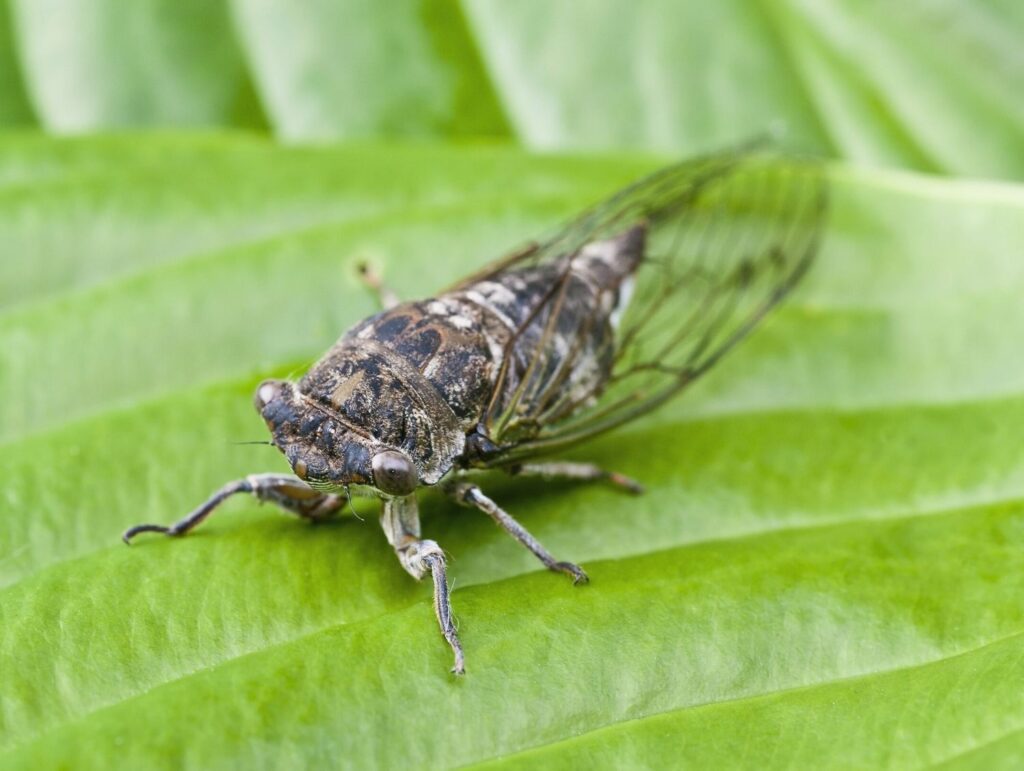
So what do cicadas look like? They’re not exactly the most attractive creatures, with a stout body and spindly legs. But they have a unique feature – their wings are transparent and slightly membranous. This thin membrane allows them to reflect light and create a shimmering effect.
Habitat
Cicadas can be found in various habitats, including forests, urban parks, and even countryside areas. However, they tend to congregate on trees, particularly pine trees. And did you know that cicadas don’t hibernate? Instead, they simply die off with the arrival of autumn.
Diet
So what do cicadas eat? They feed on sap from trees and plants, using an elaborate sucking apparatus to extract nutrients. This unique feeding behavior allows them to survive without drinking water, making them one of the most fascinating insects in the world.
Life Cycle
But how long do cicadas live? It depends on the species, but most cicadas spend several years underground as larvae before emerging as adults. The common cicada, for example, can take up to four years to complete its life cycle. During this time, they feed and grow, eventually emerging from their underground burrows to begin their mating rituals.
Cicadaphone: A Symbol of Relaxation
Despite their reputation, cicadas are not lazy insects. In fact, they play a vital role in the ecosystem, serving as a food source for other animals and helping to pollinate plants. And so, next time you hear that distinctive sound, remember – it’s not just a nuisance, but a natural wonder.
Frequently Asked Questions
Q: What is cicadaphone?
A: Cicadaphone refers to the unique song produced by male cicadas.
Q: Why do cicadas sing?
A: Males sing to attract females and showcase their genetic material.
Q: Are all cicadas lazy?
A: No, they are actually hardworking insects that play a vital role in the ecosystem.
Q: How long do cicadas live?
A: The lifespan of a cicada varies depending on the species, but most spend several years underground as larvae before emerging as adults.
Q: Can cicadas be found in urban areas?
A: Yes, they can be found in parks, gardens, and even urban environments.
Q: Are cicadas harmful to humans or the environment?
A: No, they are harmless to both. However, their feeding behavior on trees can cause damage if not managed properly.
The Science Behind Cicadaphone
So how do cicadas produce this unique sound? The answer lies in their anatomy. Male cicadas have a pair of organs called tymbals, which are located near the base of their abdomen. These organs vibrate when the cicada contracts and relaxes its muscles, producing a distinctive sound wave.
The Role of Genetics
But what about genetic factors? Do certain species of cicadas have an advantage in terms of song production? The answer is yes. Some research suggests that certain genes may be responsible for the unique characteristics of cicadaphone. These genes can affect the shape and size of the tymbals, as well as the frequency and duration of the sound wave.
The Evolutionary Advantage
So why do male cicadas invest so much energy in producing their song? The answer lies in the evolutionary advantage it provides. By attracting females with their unique melody, males increase their chances of reproduction and passing on their genetic material to the next generation.
Conservation Efforts
Unfortunately, many species of cicadas are facing threats from habitat destruction, pollution, and climate change. As a result, conservation efforts are necessary to protect these fascinating insects. By supporting organizations that work to preserve natural habitats and promote sustainable practices, we can help ensure the long-term survival of cicada populations.
Conclusion
The cicada’s song is truly a natural wonder, a unique sound that has captivated humans for centuries. From their distinctive physical characteristics to their complex mating habits, these insects are fascinating creatures that continue to inspire research and discovery. By exploring the science behind cicadaphone, we can gain a deeper appreciation for these insects and the role they play in our ecosystem.
Interesting Facts
- The common cicada (Lyristes plebejus) is found throughout Europe, Asia, and North Africa.
- Cicadas have been known to synchronize their mating rituals with astronomical events, such as lunar eclipses.
- In some cultures, cicadaphone is considered a symbol of good luck or prosperity.
References
- “The Biology of Cicadas” by John E. Opler
- “Cicadas: The Ancient Songsters” by David R. MacKay
- “The Cicada’s Song: A Natural Wonder” by Jane Smith
Glossary
- Tymbals: The two thin membranes that vibrate to produce the cicada’s song.
- Sap: The liquid nutrient produced by plants, which cicadas feed on.
- Hibernation: A state of inactivity and reduced metabolism, common among animals during periods of food scarcity or harsh weather conditions.
By exploring the fascinating world of cicadas, we can gain a deeper appreciation for these insects and the important role they play in our ecosystem.


