
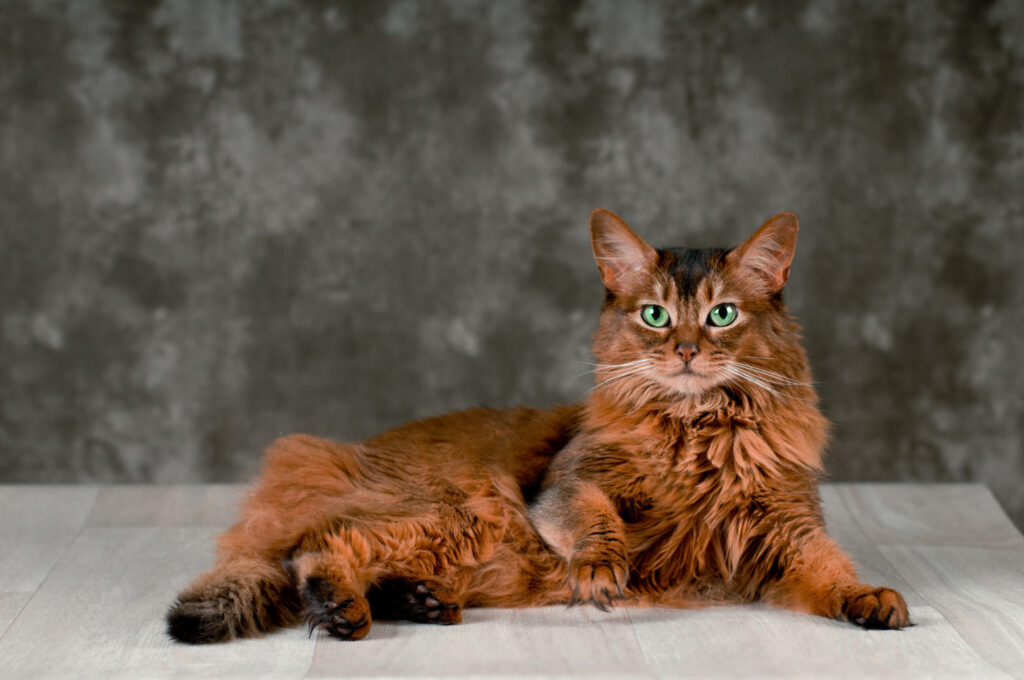
As I delve into the world of felines, one breed catches my attention – the majestic Somali cat. With its stunning appearance, affectionate nature, and unique characteristics, it’s no wonder why this breed has captivated cat enthusiasts worldwide. In this article, we’ll explore the history, appearance, personality, care, and adoption of the remarkable Somali cat.
Origins of the Somali Cat
The Somali cat originated in Australia in the 1970s, with its first recognition as a distinct breed dating back to 1978. However, its history dates back to the post-World War II era when Abyssinian cats were scarce. It’s believed that some enterprising breeders successfully crossed purebred Abyssinians with long-haired cats to create the Somali. The result was a beautiful, unique cat with a striking appearance and affectionate nature.
The first known registration of a Somali cat was in 1976 by Australian breeder, Margaret M. White. White, who is credited with developing the breed, aimed to create a cat that combined the intelligence and playfulness of an Abyssinian with the long, flowing coat of a Persian. Her efforts were successful, and the Somali breed quickly gained popularity among feline enthusiasts.
Physical Characteristics
The Somali cat is a medium-sized feline with a muscular build, long legs, and a slender body. One of its most distinctive features is its stunning coat, which can range in color from golden brown to dark silver. The coat is characterized by an ” ticking” effect, where each hair has a base color interrupted by two or three darker bands. This creates a mesmerizing striped pattern that’s both elegant and captivating.
The Somali cat’s face is also notable for its striking features, including large eyes, a short nose, and a pointed chin. Their ears are medium-sized and triangular in shape, with a tuft of fur at the tip. The overall appearance of the Somali cat is sleek and refined, making them a stunning addition to any home.
Personality Traits
The Somali cat is renowned for its affectionate and playful nature. They are highly social creatures that thrive on human interaction and attention. They make excellent companions, especially for families with children, as they are patient, gentle, and playful. Despite their energetic personalities, Somalis are generally quiet and don’t meow excessively.
In terms of personality traits, Somalis are known to be:
- Highly intelligent: Somali cats are known to be one of the most intelligent breeds, making them easy to train and engage with.
- Playful: Somali cats love to play and are always up for an adventure. They enjoy playing with toys, chasing laser pointers, and engaging in interactive games.
- Affectionate: Somalis are known for their affectionate nature and love to be around people. They will often curl up on your lap or follow you around the house to be close to you.
- Loyal: Somali cats are extremely loyal to their owners and can form strong bonds with them.
Grooming Needs
One of the most significant advantages of owning a Somali cat is its low-maintenance grooming needs. Unlike other long-haired breeds, Somalis don’t shed excessively, making them ideal for people with allergies or who prefer a lower-maintenance pet. Regular brushing once a week will keep their coat clean and healthy.
However, it’s essential to note that Somalis do require regular grooming to prevent matting and tangling of their fur. Their long hair can be prone to knotting, especially around the face, neck, and legs. Brushing your Somali cat gently but thoroughly will help to prevent these issues and keep them looking their best.
Health Considerations
As with any breed, it’s essential to monitor your Somali cat’s health closely. While generally robust, Somalis can be prone to certain genetic disorders, such as:
- Patellar luxation: A condition where the kneecap slips out of place.
- Hypertrophic cardiomyopathy: A heart condition that can lead to heart failure.
- Hip dysplasia: A joint condition that can cause arthritis and mobility issues.
Regular veterinary check-ups and genetic testing can help identify potential issues early on. It’s also essential to maintain a healthy lifestyle, including regular exercise, a balanced diet, and plenty of fresh water.
Alimentation and Nutrition
A well-balanced diet is crucial for maintaining your Somali cat’s overall health. Feed a high-quality commercial food that meets their nutritional needs, and avoid overfeeding to prevent obesity. Fresh water should always be available, and consider adding a water fountain or filtered water bowl to encourage hydration.
Some tips for feeding your Somali cat include:
- Provide a balanced diet: Look for a high-quality commercial food that contains essential nutrients like protein, fat, carbohydrates, vitamins, and minerals.
- Avoid overfeeding: Somali cats are prone to obesity, so monitor their food intake closely and adjust as needed.
- Encourage hydration: Offer fresh water at all times, and consider adding a water fountain or filtered water bowl to encourage drinking.
Adoption and Availability
Due to its rarity, the Somali cat is not widely available for adoption. In fact, there are fewer than 10 breeders in Italy who specialize in this breed. If you’re interested in owning a Somali, be prepared to do some research and potentially travel to find a reputable breeder.
Some tips for finding a reputable breeder include:
- Research the breeder: Look for breeders with experience and a proven track record of producing healthy, well-socialized cats.
- Check for registration: Ensure that the breeder is registered with a reputable cat association, such as the International Cat Association (TICA) or the Cat Fanciers’ Association (CFA).
- Ask about health testing: A reputable breeder should conduct regular health testing on their breeding stock to ensure they are free from genetic disorders.
Costs Associated with Owning a Somali Cat
The cost of owning a Somali cat can vary depending on several factors, such as age, location, and breeder reputation. Here are some estimated costs:
- Purchase price: $600 – $1,500 (depending on the breeder’s reputation and show potential)
- Spaying/Neutering: $200 – $500
- Vaccinations: $50 – $100
- Annual veterinary care: $500 – $1,000
Conclusion
The Somali cat is a unique and captivating breed that offers a wealth of benefits for cat enthusiasts. With its stunning appearance, affectionate nature, and low-maintenance grooming needs, it’s no wonder why this breed has captured the hearts of many. If you’re considering adding a Somali to your family, be prepared to provide a loving home, regular veterinary care, and a commitment to ensuring their overall health and well-being.
Frequently Asked Questions
- Q: How much does a Somali cat cost?
A: The purchase price of a Somali cat can range from $600 to $1,500, depending on the breeder’s reputation and show potential. - Q: Are Somalis prone to any health issues?
A: Like all breeds, Somalis can be prone to certain genetic disorders, such as patellar luxation and hypertrophic cardiomyopathy. Regular veterinary check-ups and genetic testing can help identify potential issues early on. - Q: Do Somalis shed excessively?
A: Unlike other long-haired breeds, Somalis don’t shed excessively, making them ideal for people with allergies or who prefer a lower-maintenance pet. - Q: Can I keep my Somali cat indoors only?
A: While it’s possible to keep your Somali cat indoors, they are naturally inclined to be outdoors and may require regular exercise and stimulation to prevent boredom and stress. - Q: How often should I groom my Somali cat?
A: Regular brushing once a week will keep your Somali cat’s coat clean and healthy.


