
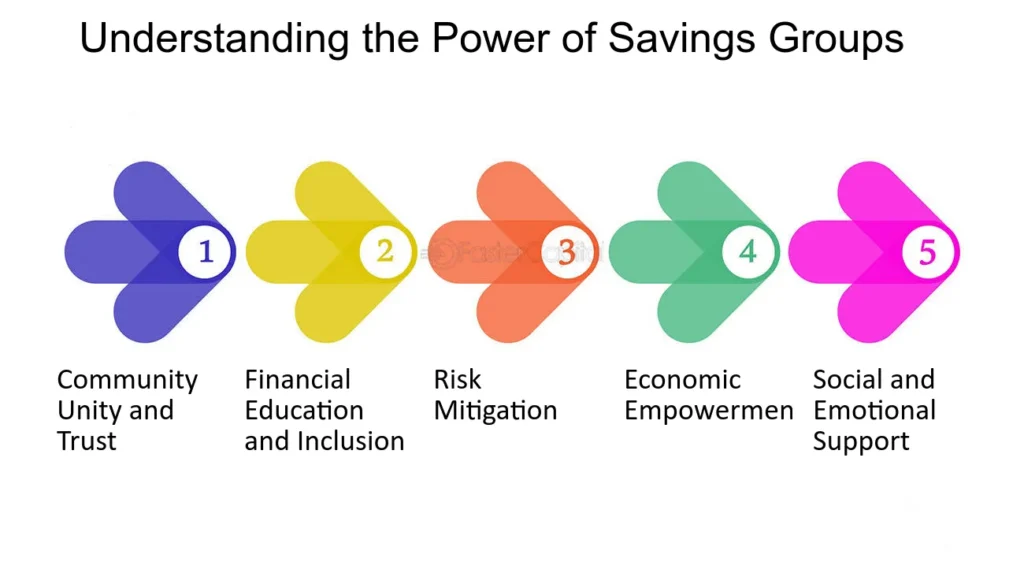
In recent years, a new approach to consumerism has emerged, challenging the traditional retail model and offering a more sustainable, cost-effective way of living. This phenomenon is known as solidarity purchasing groups, or Group d’Acquisto Solidale (GAS) in Italian. These community-driven approaches to buying and consuming goods aim to promote environmental sustainability, support local economies, and foster a sense of belonging among members.
What are Solidarity Purchasing Groups?
Solidarity purchasing groups are networks of individuals who work together to purchase essential items, such as food, clothing, and household goods, directly from local farmers, artisans, and small-scale producers. By cutting out intermediaries and buying in bulk, group members can save money on essential items while also supporting local economies.
History of Solidarity Purchasing Groups
The concept of solidarity purchasing groups dates back to the 1990s in Italy, where it was first introduced as a way to promote sustainable consumption and support local producers. The idea quickly gained popularity, and today there are thousands of registered solidarity purchasing groups across Italy, with over 170 in the city of Milan alone.
How Do Solidarity Purchasing Groups Work?
A solidarity purchasing group typically consists of families or communities that work together to purchase essential items directly from local suppliers. This approach eliminates middlemen and reduces costs for consumers, while also supporting local economies. Group members usually meet regularly to discuss their needs, identify local producers, and plan purchases.
Benefits of Solidarity Purchasing Groups
By shopping with solidarity purchasing groups, individuals can enjoy several benefits:
- Cost savings: By cutting out intermediaries and buying in bulk, group members can save money on essential items.
- Environmental sustainability: Reduced packaging, lower carbon emissions from transportation, and increased support for local farming practices contribute to a more sustainable lifestyle.
- Quality products: Consumers have the opportunity to buy high-quality, locally produced goods that are often not available through traditional retail channels.
How Are Solidarity Purchasing Groups Organized?
Solidarity purchasing groups are usually formed by individuals who share similar values and goals. Members work together to:
- Identify local producers and suppliers
- Negotiate prices and terms
- Purchase goods in bulk
- Distribute products among members
Principles of Proximity: The Heart of Solidarity Purchasing Groups
The principle of proximity is at the core of solidarity purchasing groups. By choosing to buy from local producers, group members promote a commerce model that prioritizes community development and environmental sustainability.
Community-Driven Approach
Solidarity purchasing groups often start as small, informal networks among friends, family, or neighbors. As more people join, these groups can grow into thriving communities that support local economies and foster a sense of belonging among members.
Benefits for Producers
Producers are also beneficiaries of solidarity purchasing groups. By selling their goods directly to consumers, they can enjoy fair prices, better working conditions, and increased visibility for their products.
Small-Scale Producers: The Unsung Heroes
Alleviators (sheep farmers) and agricoltori (farmers) are often overlooked in the commercial landscape. Solidarity purchasing groups offer them an opportunity to connect directly with consumers, promoting fair prices and better working conditions.
Case Study: Milan’s Solidarity Purchasing Groups
In Milan, solidarity purchasing groups have become a popular way for residents to shop locally and sustainably. The city has over 170 registered groups, with many more operating outside of traditional frameworks. By engaging with local producers and supporting small-scale businesses, group members contribute to a healthier economy and more sustainable food system.
Challenges and Opportunities
While solidarity purchasing groups offer numerous benefits, they also present challenges for both consumers and producers. For example, coordinating purchases and managing logistics can be complex, while producers may face difficulties in scaling up production to meet growing demand.
However, these challenges also present opportunities for innovation and collaboration. By working together, group members and producers can develop new business models, improve supply chains, and create a more sustainable food system.
Conclusion
Solidarity purchasing groups are a rapidly growing phenomenon that challenges traditional consumerism. By embracing a community-driven approach to buying and consuming, individuals can reap benefits for their wallets, the environment, and local communities. As more people join these groups, we can expect to see a shift towards a more sustainable, equitable, and connected economy.
Frequently Asked Questions (FAQs)
- What is a solidarity purchasing group?
A solidarity purchasing group is a community-driven approach to buying goods directly from local producers. - How do solidarity purchasing groups work?
Group members work together to identify local suppliers, purchase goods in bulk, and distribute products among members. - Are solidarity purchasing groups expensive?
No, solidarity purchasing groups can be cost-effective, as group members benefit from reduced costs through bulk purchases and direct relationships with producers. - What kind of benefits do solidarity purchasing groups offer?
Group members enjoy cost savings, environmental sustainability, and access to high-quality, locally produced goods. - Can anyone join a solidarity purchasing group?
Yes, any individual or community interested in promoting sustainable living and supporting local economies can participate in a solidarity purchasing group. - How do I find a solidarity purchasing group near me?
You can search online for groups operating in your area or reach out to local farmers’ markets, cooperatives, or community organizations to learn more about their initiatives. - What is the role of producers in solidarity purchasing groups?
Producers play a vital role by providing high-quality goods and services directly to consumers, promoting fair prices and sustainable practices. - How can I contribute to the growth of solidarity purchasing groups?
You can start by joining an existing group or initiating one in your community, sharing knowledge about local producers and suppliers, and supporting initiatives that promote sustainable consumption and production.
References
- “La solidarietà nel consumo: una risorsa per l’ecologia” (Solidarity in consumption: a resource for ecology) – Italian Ministry of Environment
- “Il mercato locale come strumento di sviluppo sostenibile” (Local markets as an instrument of sustainable development) – National Institute of Statistics and Economic Studies
- “La rete delle cooperative alimentari locali” (The network of local food cooperatives) – Italian Association of Cooperatives


