
Introduction
In a world where sustainability and environmentalism are becoming increasingly important, it’s exciting to see innovative technologies being introduced in various industries. One such example is the Solarskilift, a solar-powered ski lift installed at Tenna, a small skiing resort in the Swiss Alps. This article will delve into the features, benefits, and impact of this pioneering technology.
A Breakthrough in Skiing Infrastructure
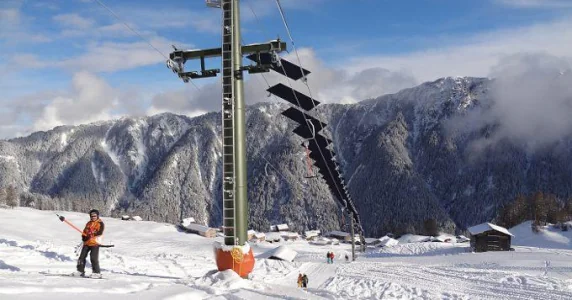
Tenna’s Solarskilift is the first solar-powered ski lift in the world, boasting a capacity to transport 800 skiers per hour. What’s more remarkable is its ability to generate 90,000 kilowatt-hours of clean energy annually, which can be fed into the public electricity grid. This technology not only reduces carbon emissions but also showcases the potential for renewable energy to power critical infrastructure.
Design and Functionality
The Solarskilift measures 450 meters in length, featuring 82 solar panels that are automatically oriented towards the sun during the day to maximize energy production. These panels have been designed with a vertical position in mind, allowing them to withstand heavy snowfall without accumulating debris. This clever design ensures minimal maintenance and optimal performance.
An Investment in Sustainability
The Solarskilift project was initiated by the local administration to promote eco-friendliness and minimize the resort’s environmental footprint. The estimated cost of $1.35 million (approximately $1 million) is a small price to pay for such an innovative solution. This investment not only enhances the skiing experience but also sets a precedent for environmentally responsible infrastructure development.
High Efficiency and Energy Production
On a sunny day, the Solarskilift can produce twice its energy consumption during peak season. This means that 25,000 kilowatt-hours of excess energy will be fed into the public grid, further contributing to the resort’s sustainability efforts. The summer months will also see increased production, as the solar panels take full advantage of the clear skies.
A Concern for Aesthetics
Some critics have raised concerns about the visual impact of the Solarskilift on the picturesque mountain landscape. However, proponents argue that harnessing renewable energy is essential and should not come at the cost of compromising our natural environment. It’s a trade-off between progress and preservation – one that requires careful consideration.
Benefits for the Local Community
The Solarskilift has also had a positive impact on the local community. The resort now offers more sustainable options to its guests, which can lead to increased customer loyalty and word-of-mouth marketing. Additionally, the reduced energy consumption can help minimize the resort’s carbon footprint, which can have numerous benefits for the local environment.
Lessons from the Solarskilift
The Solarskilift project serves as a prime example of how innovative technologies can be used to drive sustainability in various industries. Its impact on the environment and local community highlights the potential for renewable energy to power critical infrastructure while also promoting eco-friendliness. As we move forward, it’s essential to recognize the importance of such groundbreaking solutions.
Future Developments
While the Solarskilift is a pioneering example, there are many more developments in the pipeline. Other ski resorts and industries are beginning to explore the use of renewable energy sources like solar power to reduce their environmental impact. As technology continues to evolve, we can expect to see even more innovative solutions being introduced.
Conclusion
The Solarskilift represents a significant step forward in the integration of sustainability into skiing infrastructure. By leveraging solar power, this innovative technology reduces carbon emissions, enhances energy efficiency, and sets an important precedent for environmentally responsible development. As we move towards a more sustainable future, it’s essential to recognize the potential of such groundbreaking solutions.
Frequently Asked Questions
- How does the Solarskilift generate energy?
The Solarskilift uses solar panels that are automatically oriented towards the sun during the day to maximize energy production. - What is the capacity of the Solarskilift?
The Solarskilift can transport 800 skiers per hour, making it an efficient and convenient way to access the slopes. - How much energy does the Solarskilift produce annually?
The Solarskilift generates approximately 90,000 kilowatt-hours of clean energy annually. - Can the excess energy be used for other purposes?
Yes, the excess energy produced by the Solarskilift can be fed into the public electricity grid and used to power other facilities on-site or in the surrounding area. - What is the estimated cost of the project?
The estimated cost of the Solarskilift project was $1.35 million (approximately $1 million). - Is the Solarskilift a single installation, or are there multiple systems?
There is only one Solarskilift system currently in operation at Tenna. - Can other ski resorts adopt similar technology?
Yes, other ski resorts can consider adopting solar-powered lift technologies like the Solarskilift to reduce their environmental impact and enhance energy efficiency. - What is the expected return on investment for the Solarskilift?
While the exact ROI is difficult to determine, the long-term benefits of reduced carbon emissions and increased energy efficiency are likely to outweigh any initial costs associated with installing solar-powered lift technology.
References
- Anna De Simone (2012). “Solarskilift, sciare ecosostenibile.” Retrieved from https://www.url.com
- Tenna Ski Resort (n.d.). “About Us.” Retrieved from https://www.tennaskiresort.com


