
As the weather warms up, solar shading solutions can play a crucial role in improving the energy efficiency of buildings. According to the Stability Law 2015, individuals who purchase solar shading products may be eligible for tax incentives of up to 65%. In this article, we’ll explore which types of solar shading solutions qualify for these incentives and provide guidance on how to request them.
Eligible Solar Shading Solutions
To take advantage of the Ecobonus 2015, solar shading solutions must meet specific standards outlined in the norms EN 13562, EN 13659, and EN 13120. In practical terms, this means that individuals can claim a tax deduction of up to 65% on the purchase of:
- Solar screens
- Roller shades
- Mobile awnings
- Veranda awnings
- Pergolas with veranda screens
- Exterior skylights
- Winter gardens
- Zanzarisers
- Venetians
- Shutters
- Blinds
- Solar screens with a textured finish
- Interior solar shading solutions that provide shade to specific rooms or areas
It’s worth noting that only solar shading solutions with the primary purpose of providing shade to interior spaces are eligible for tax incentives.
Additional Incentives
While the Ecobonus 2015 provides a significant incentive, there are other benefits available to homeowners who invest in solar shading solutions. For example, the Conto Termico (Thermal Account) offers additional incentives by reimbursing part of the cost of purchasing and installing these products. This account can be used for both new and existing homes.
How Solar Shading Solutions Work
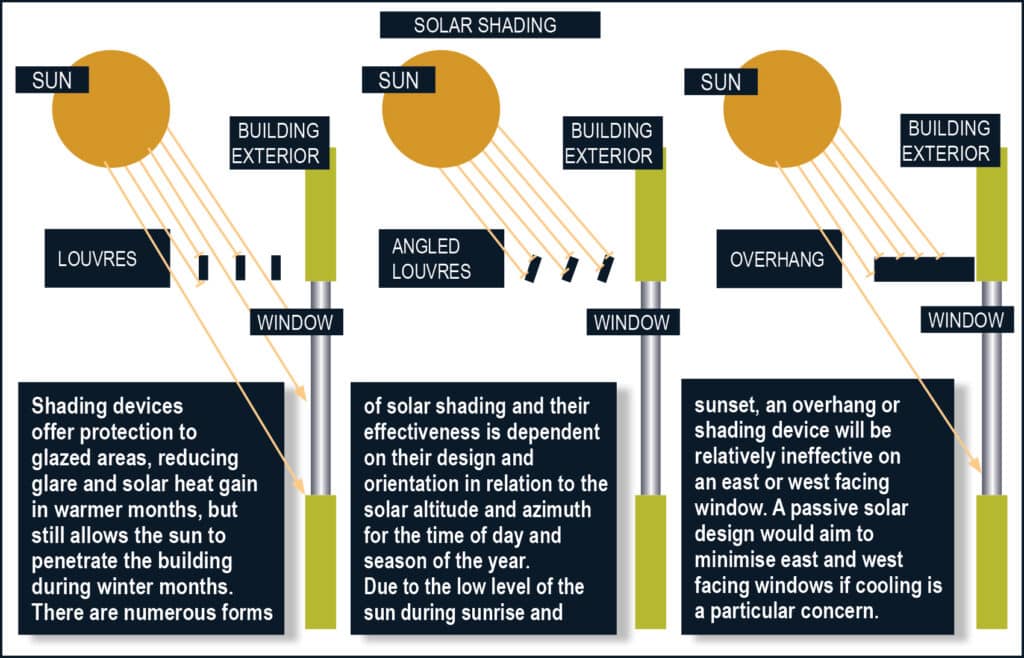
Solar shading solutions work by reducing heat gain through a building’s windows and walls. By blocking sunlight, these solutions can help reduce energy consumption, lower cooling costs, and improve overall comfort levels. The tax incentives provided by the Ecobonus 2015 aim to encourage homeowners to make these energy-efficient upgrades.
Requesting Tax Incentives
To claim the tax incentive on solar shading solutions, homeowners must submit a request in conjunction with their annual tax return. This typically involves providing documentation such as:
- Receipt of the bonus payment
- Proof of purchase (e.g., invoice or bank statement)
- Utility bills showing energy consumption before and after installing solar shading solutions
- Faxed copies of receipts for products purchased
Homeowners can find more information on how to request tax incentives by referring to our guide on “How to Access Tax Incentives.”
Choosing the Right Solar Shading Solution
With various types of solar shading solutions available, it’s essential to choose one that meets your specific needs. Factors such as thermal transmission, reflectance, and absorbance should be considered when selecting a solution.
For example, solar screens are ideal for windows with high thermal transmission coefficients. Roller shades, on the other hand, offer better light control and can be easily installed on existing window frames. Mobile awnings provide additional shade while also allowing for flexibility in terms of placement.
Considerations Before Installing Solar Shading Solutions
Before installing solar shading solutions, homeowners should consider several factors to ensure maximum benefits:
- The type and orientation of windows: Different types of windows require different approaches when it comes to solar shading solutions.
- The climate and location: Regions with high temperatures and intense sunlight will benefit more from solar shading solutions than regions with milder climates.
- Budget constraints: Homeowners should weigh the costs of purchasing and installing solar shading solutions against their energy-saving potential.
Benefits of Solar Shading Solutions
Solar shading solutions offer numerous benefits, including:
- Reduced energy consumption
- Lower cooling costs
- Improved indoor comfort levels
- Enhanced aesthetic appeal
- Increased property value
By understanding which types of solar shading solutions qualify for tax incentives and following the necessary procedures, homeowners can make informed decisions about their energy-efficient upgrades.
FAQs
- Which solar shading solutions are eligible for the Ecobonus 2015?
Solar shading solutions that meet specific standards outlined in EN 13562, EN 13659, and EN 13120 are eligible for the Ecobonus 2015. - How do I request tax incentives for solar shading solutions?
Homeowners must submit a request in conjunction with their annual tax return, providing documentation such as receipts, proof of purchase, and utility bills. - What additional incentives are available to homeowners who invest in solar shading solutions?
The Conto Termico (Thermal Account) offers additional incentives by reimbursing part of the cost of purchasing and installing these products. - How do solar shading solutions work?
Solar shading solutions reduce heat gain through a building’s windows and walls, helping to lower energy consumption and improve overall comfort levels. - What are the benefits of using solar shading solutions?
The benefits of using solar shading solutions include improved energy efficiency, reduced cooling costs, and increased comfort levels. - How do I choose the right solar shading solution for my building?
Homeowners should consider factors such as thermal transmission, reflectance, and absorbance when selecting a solar shading solution. - Can I use solar shading solutions in conjunction with other energy-efficient upgrades?
Yes, solar shading solutions can be used in conjunction with other energy-efficient upgrades to achieve maximum benefits. - How long will the tax incentives for solar shading solutions remain available?
The tax incentives for solar shading solutions are currently available through 2023, although this may change over time.
Conclusion
Solar shading solutions offer an effective way to improve energy efficiency in buildings while also providing tax incentives. By understanding which types of solar shading solutions qualify for these incentives and following the necessary procedures, homeowners can make informed decisions about their energy-efficient upgrades.
By taking advantage of the Ecobonus 2015 and other available incentives, individuals can significantly reduce their energy consumption and lower their energy bills.
What’s Next?
To learn more about solar shading solutions and tax incentives, we recommend visiting our website for additional resources and guidance. We’ll also be publishing a series of articles exploring different types of solar shading solutions and how they can benefit your home.
Don’t miss out on this opportunity to improve the energy efficiency of your building and take advantage of tax incentives. Reach out to us today to learn more about solar shading solutions and how they can work for you.



