
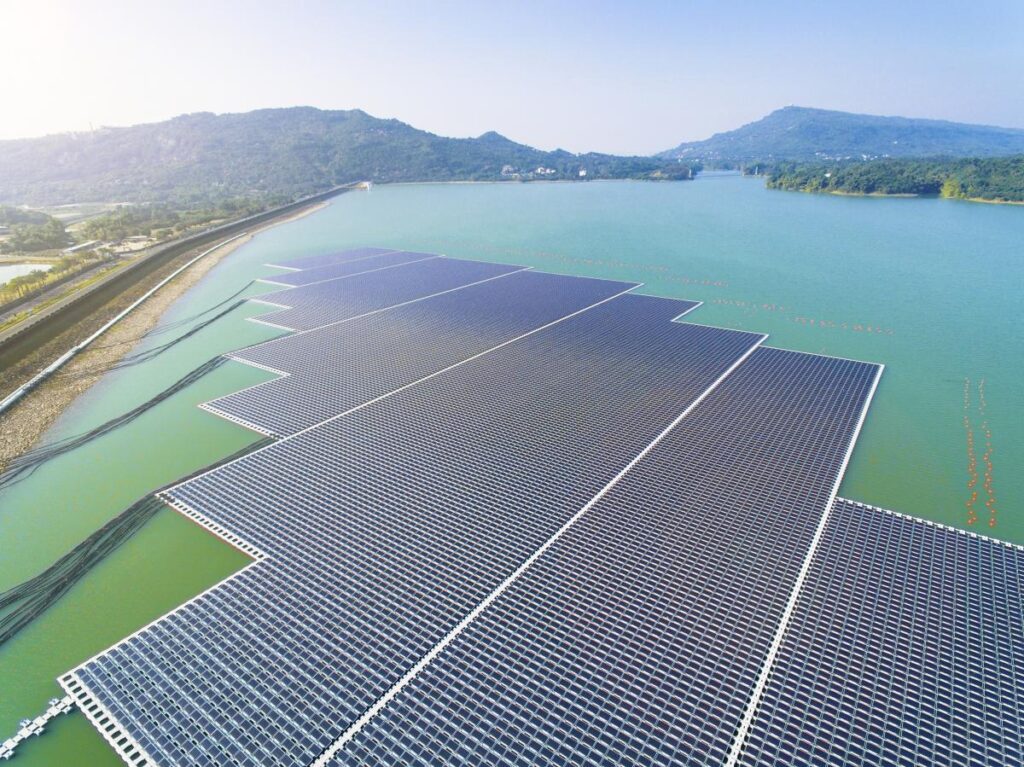
As the world continues to grapple with the challenges of climate change, renewable energy has become an increasingly important part of the solution. One innovative approach that’s gaining traction is the use of floating solar panels, also known as “solar buoys.” These self-sustaining systems have the potential to revolutionize the way we generate and consume energy, but what exactly are they, and how do they work?
What are Floating Solar Research Centers?
Floating solar research centers are laboratory facilities that harness the power of solar energy while providing a unique platform for scientific inquiry. These cutting-edge facilities use a combination of floating solar panels and advanced technologies to demonstrate the effectiveness of this innovative approach.
The Viteos SA Project: Nolaris
One such project is Nolaris, a ambitious initiative by Viteos SA, a Swiss energy company. The project involves building three floating laboratory centers in Lake Neuchatel, Switzerland. Each center will be equipped with 100 solar panels and will feature a unique design that allows it to rotate and optimize its exposure to the sun.
The Concept of Floating Solar Energy
Floating solar energy is an innovative approach that combines solar power generation with water-based systems. This concept has been gaining attention in recent years, as it offers several benefits over traditional land-based solar installations. Some of the key advantages include:
- Increased Land Use Efficiency: By using floating solar panels, more land can be utilized for other purposes such as agriculture, urban development, or conservation.
- Reduced Visual Impact: Floating solar panels are designed to blend in with their surroundings, reducing visual impact and making them a more acceptable option for urban areas.
- Improved Water Quality: By using water-based systems, floating solar energy can help maintain water quality by providing a natural filtration system.
How do Floating Solar Research Centers Work?
So, how do these incredible structures work? Simply put, they use a combination of floating technology and concentrated solar power (CSP) to generate electricity. The CSP system converts sunlight into heat, which is then used to produce steam that drives a turbine and generates electricity. This process is similar to traditional fossil fuel-based power plants, but with the added benefit of being completely carbon neutral.
The Benefits of Floating Solar Research Centers
So what are the benefits of using floating solar research centers? For one, they offer a unique opportunity for scientists to study the effects of floating solar panels on aquatic ecosystems. Additionally, these facilities can provide a reliable source of renewable energy in areas where land is scarce or difficult to access.
The Design and Construction of Floating Solar Research Centers
Each floating laboratory center will have a diameter of 25 meters and will be equipped with 100 pannelli fotovoltaici. These panels will be mounted on a structure that provides 45° of inclination, allowing them to maximize their exposure to the sun. The centers will be anchored to the bottom of the lake using concrete blocks and will be connected to the electrical grid via underwater cables.
Sustainable Design: A Key Aspect of Floating Solar Research Centers
A key aspect of floating solar research centers is sustainable design. These structures must be built with the environment in mind, taking into account factors such as water quality, noise pollution, and habitat disruption. Viteos SA has committed to designing the Nolaris project with sustainability in mind, ensuring that it will have a minimal impact on the surrounding ecosystem.
The Importance of Research and Development
Research and development are crucial for the successful implementation of floating solar energy. Scientists and engineers must work together to optimize the design and operation of these facilities, ensuring that they can withstand the challenges of water-based systems and provide reliable power generation.
Case Studies: Successful Floating Solar Energy Projects
Several countries have already implemented successful floating solar energy projects, demonstrating the potential of this innovative approach. Some notable examples include:
- China’s Donghai Bridge: A 2 MW floating solar energy project that was completed in 2016 and provides a reliable source of power for nearby residents.
- Japan’s Odaiba Island: A 50 kW floating solar energy system that was installed in 2019 and demonstrates the feasibility of this technology in urban areas.
Challenges and Limitations
While floating solar research centers hold great promise, there are several challenges and limitations that must be addressed. Some of these include:
- Water Quality Issues: Floating solar panels can affect water quality, particularly if they are not designed with sustainability in mind.
- Corrosion and Wear: Water-based systems can corrode the floating structure and other components, reducing their lifespan.
- Maintenance and Upkeep: Regular maintenance is essential for ensuring the efficient operation of floating solar energy facilities.
Conclusion
Floating solar research centers represent a significant leap forward in the field of renewable energy. By harnessing the power of solar energy while providing a platform for scientific inquiry, these incredible structures are helping us to better understand the benefits and challenges of this innovative approach. As we look to the future, it’s clear that floating solar energy will play an increasingly important role in shaping our world.
FAQs
- What is Concentrating Solar Power (CSP)?
CSP is a technology that converts sunlight into heat, which is then used to produce steam that drives a turbine and generates electricity. - How do floating solar research centers work?
These facilities use a combination of floating technology and CSP to generate electricity from solar energy. - What are the benefits of using floating solar research centers?
They offer a unique opportunity for scientists to study the effects of floating solar panels on aquatic ecosystems, while also providing a reliable source of renewable energy in areas where land is scarce or difficult to access. - How do the floating laboratory centers rotate and optimize their exposure to the sun?
Each center will be designed with a rotating mechanism that allows it to follow the movement of the sun, maximizing its exposure to sunlight. - What is the lifespan of the floating solar research centers?
The Nolaris project aims to provide a minimum lifespan of 25 years for each laboratory center. - How are the floating solar research centers anchored to the bottom of the lake?
They will be anchored using concrete blocks, providing stability and minimizing environmental impact. - What is the connection between the floating solar research centers and the electrical grid?
The centers will be connected via underwater cables, allowing them to feed electricity into the local power grid. - How do the floating solar research centers affect aquatic ecosystems?
Studies have shown that floating solar panels can have a minimal impact on aquatic ecosystems, but further research is needed to fully understand their effects.
Glossary of Terms
- Concentrated Solar Power (CSP): A technology that converts sunlight into heat, which is then used to produce steam that drives a turbine and generates electricity.
- Floating Solar Panels: Thin-film solar panels mounted on a floating structure to harness the power of sunlight in water-based systems.
- Sustainable Design: A design approach that takes into account environmental factors such as water quality, noise pollution, and habitat disruption.
- Underwater Cables: Subsea cables used to connect floating solar energy facilities to the electrical grid.
Conclusion
Floating solar research centers represent a significant leap forward in the field of renewable energy. By harnessing the power of solar energy while providing a platform for scientific inquiry, these incredible structures are helping us to better understand the benefits and challenges of this innovative approach. As we look to the future, it’s clear that floating solar energy will play an increasingly important role in shaping our world.


