
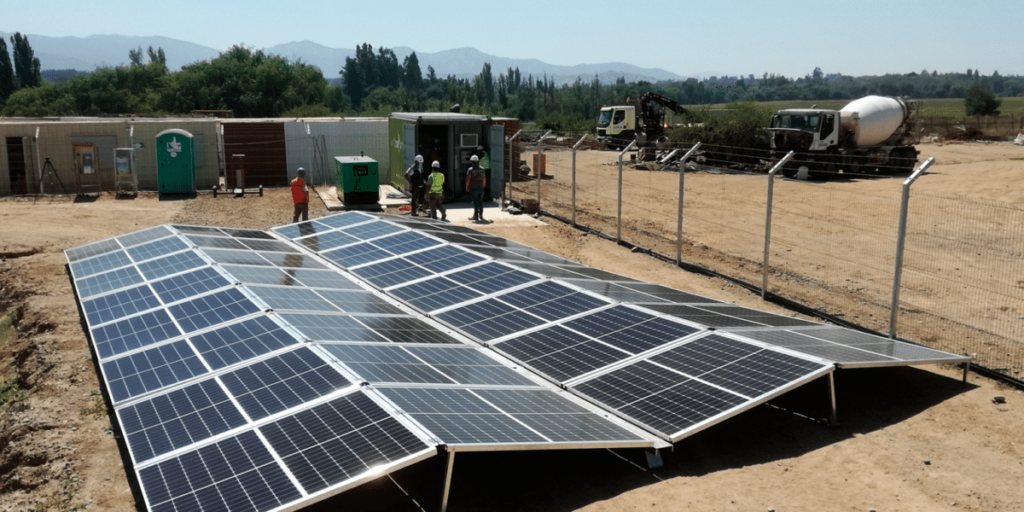
As we strive for a more sustainable future, the concept of energy trading has gained significant attention. In this article, we’ll delve into the world of solar panel exchange, exploring its benefits, mechanics, and requirements.
What is Energy Trading?
Energy trading refers to the exchange of excess energy produced by renewable sources, such as solar panels, with the grid or other consumers. This innovative approach not only reduces strain on the power grid but also provides an opportunity for individuals to sell their surplus energy back into the system.
The Benefits of Solar Panel Exchange
So, why should you consider participating in local energy trading? Here are a few compelling reasons:
- Reduced Energy Bills: By selling your excess energy back into the grid, you can enjoy reduced energy bills and lower your carbon footprint.
- Increased Energy Independence: With solar panel exchange, you’ll be able to generate your own clean energy and rely less on the grid.
- Supporting a Greener Future: By participating in local energy trading, you’re contributing to a more sustainable energy landscape.
The Impact of Solar Panel Exchange on the Environment
The environmental benefits of solar panel exchange are numerous:
- Reduced Greenhouse Gas Emissions: By using renewable energy sources, we can significantly reduce our carbon footprint and mitigate climate change.
- Conservation of Natural Resources: Solar panel exchange reduces the need for fossil fuels, conserving natural resources for future generations.
- Promoting Sustainable Development: By supporting local energy trading programs, we’re promoting sustainable development and a more environmentally conscious lifestyle.
How Does Solar Panel Exchange Work?
The process is relatively straightforward:
- Install Your Solar Panels: Set up your solar panel system to generate excess energy.
- Connect to the Grid: Ensure your home or business is connected to the electrical grid.
- Sign Up for a Local Energy Trading Program: Partner with a local energy trading program, such as GSE’s Solar Exchange.
The GSE Solar Exchange: A Simplified Approach
In 2013, GSE introduced the solar exchange program, simplifying the process of energy trading. The program now uses a standardized system to calculate energy value, eliminating the need for individual agreements with energy providers.
Key Requirements for Participation
Before joining a local energy trading program:
- Reside in a Participating Area: Ensure your location is eligible for solar panel exchange.
- Meet Energy Production Requirements: Comply with energy production standards set by GSE or local authorities.
- Maintain Your Solar Panel System: Regularly maintain and inspect your solar panels to ensure optimal performance.
Frequently Asked Questions
Don’t have questions about solar panel exchange? Here are some answers:
- Q: What is the maximum amount of energy I can sell back into the grid?
A: The maximum amount depends on your location, energy production standards, and participating program rules. - Q: How long does it take to receive my refund for excess energy?
A: Refunds are typically processed within a few months after the end of each billing cycle. - Q: Can I participate in local energy trading if I live in a remote area with limited grid access?
A: Some programs may offer alternative solutions, such as on-site energy storage or microgrids.
Conclusion
Solar panel exchange is an innovative approach to energy trading that offers numerous benefits for individuals and the environment. By participating in local energy trading programs, we can reduce our carbon footprint, promote sustainable development, and support a greener future.


