
Have you ever wondered how some ancient civilizations were able to build structures that were not only durable but also comfortable, despite the limited technology available at the time? The answer lies in the concept of solar ventilation, which has been harnessed for centuries. In this article, we will explore the world of solar chimneys and how they can improve your home’s indoor air quality.
What is a Solar Chimney?
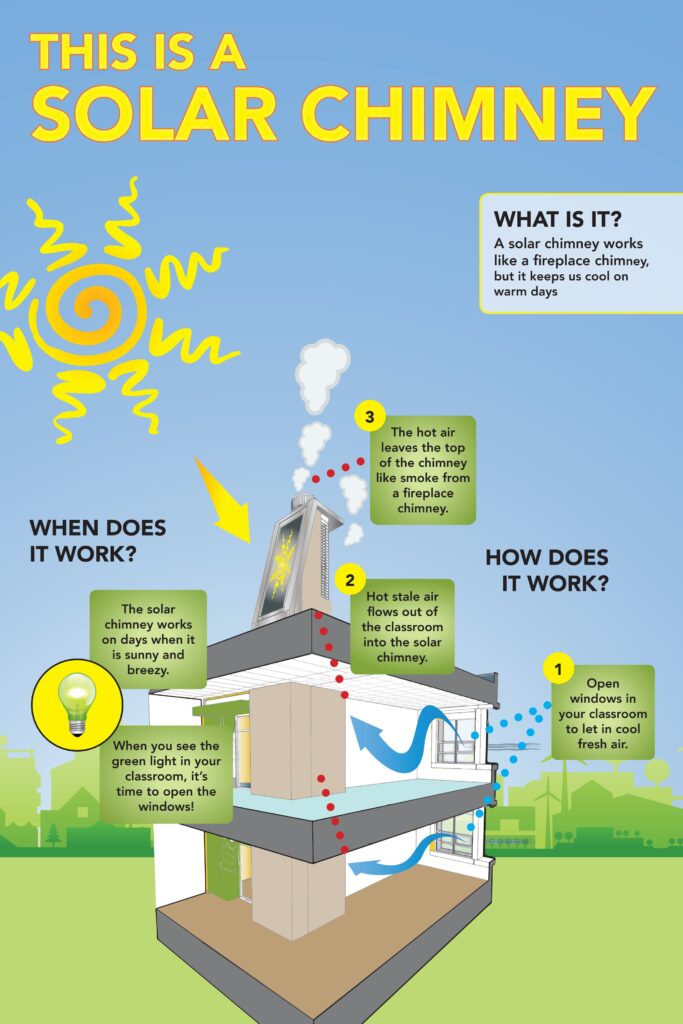
A solar chimney, also known as a solar vent, is a system that utilizes the natural phenomenon of heat convection to improve ventilation in buildings. It consists of three main components: a collector area, a ventilation shaft, and a condenser. The collector area absorbs sunlight and heats up, creating a pressure difference between the inside and outside of the building.
History of Solar Ventilation
The concept of solar ventilation dates back to ancient civilizations such as Greece and Rome, where people used natural ventilation systems to regulate temperatures in their buildings. In the 19th century, scientists began to study the principles of solar radiation and its effects on temperature and air circulation. Today, solar chimneys are a popular solution for improving indoor air quality and reducing energy consumption.
How Does a Solar Chimney Work?
Here’s how it works:
- Solar Radiation: The solar radiation from the sun heats up the collector area, causing air to rise and create a pressure difference.
- Air Circulation: As the air rises, it creates a circulation of air that helps to remove heat and stale air from the building.
- Ventilation Shaft: The ventilation shaft allows fresh air to enter the building, while hot air is released outside.
Key Components of a Solar Chimney
A solar chimney consists of three main components:
- Collector Area: This is where sunlight is absorbed, heating up the system and creating pressure differences.
- Ventilation Shaft: This allows fresh air to enter the building while hot air is released outside.
- Condenser: This helps to remove excess moisture from the air.
Benefits of Solar Ventilation
Solar ventilation offers several benefits, including:
- Improved indoor air quality
- Reduced energy consumption
- Increased comfort
- Enhanced durability
Choosing the Right Location for Your Solar Chimney
When choosing a location for your solar chimney, consider the following factors:
- Sunlight: The collector area needs direct sunlight to function effectively.
- Wind: Avoid areas with high wind speeds, which can disrupt air circulation.
- Accessibility: Ensure that the ventilation shaft is easily accessible for maintenance.
Building a Solar Chimney: A Comprehensive Guide
Building a solar chimney requires careful planning and execution. Here are some tips to consider:
- Design: Choose a design that suits your building’s architecture and climate.
- Materials: Select materials that can withstand the elements and ensure durability.
- Installation: Ensure proper installation to avoid any safety hazards.
Sizing Your Solar Chimney
Choosing the right size for your solar chimney is crucial to its effectiveness. Consider the following factors:
- Building Size: The larger the building, the more efficient the system needs to be.
- Insulation: Proper insulation can help regulate temperatures and improve airflow.
- Airflow Requirements: Calculate the required airflow based on the size of your building and its occupants.
Types of Solar Chimneys
There are two main types of solar chimneys:
- Fixed-Tilt Systems: These systems use a fixed angle to track the sun’s movement throughout the day.
- Tracking Systems: These systems can adjust their orientation to optimize energy production.
Installation Tips
Proper installation is critical for the effectiveness and safety of your solar chimney system. Here are some tips:
- Use High-Quality Materials: Choose materials that can withstand the elements and ensure durability.
- Follow Manufacturer Instructions: Adhere to the manufacturer’s guidelines for installation, maintenance, and repair.
- Ensure Proper Ventilation: Verify that the ventilation shaft is properly installed and functioning correctly.
Maintenance Tips
Regular maintenance is essential for ensuring the optimal performance of your solar chimney system. Here are some tips:
- Clean the Collector Area: Regularly clean the collector area to ensure maximum energy production.
- Check for Damage: Inspect the system regularly for any signs of damage or wear and tear.
- Perform Routine Maintenance: Perform routine maintenance tasks, such as replacing filters and cleaning condensers.
Conclusion
Solar ventilation is a simple yet effective way to improve indoor air quality, reduce energy consumption, and enhance comfort. By understanding how solar chimneys work and choosing the right location for your system, you can enjoy the many benefits of this innovative technology. With proper installation and maintenance, a solar chimney can provide years of reliable service.
Frequently Asked Questions (FAQs)
- What is the purpose of a solar chimney?
- To improve indoor air quality, reduce energy consumption, and enhance comfort.
- How does a solar chimney work?
- It uses natural heat convection to create pressure differences between the inside and outside of the building.
- What are the key components of a solar chimney?
- Collector area, ventilation shaft, and condenser.
- Where should I install my solar chimney?
- Choose a location with direct sunlight, minimal wind, and easy accessibility for maintenance.
- How long does it take to build a solar chimney?
- Installation time varies depending on the design complexity and materials used.
- What are the benefits of solar ventilation?
- Improved indoor air quality, reduced energy consumption, increased comfort, and enhanced durability.
-
Can I use my solar chimney for both heating and cooling?
- Yes, by adjusting the airflow and using a bi-directional vent system.
-
What is the cost of building a solar chimney?
- Costs vary depending on the design complexity, materials used, and installation requirements.
- How much energy can I save with a solar chimney?
- Energy savings depend on various factors, including climate, insulation, and usage patterns.
- Can I use a solar chimney in areas with high humidity or precipitation?
- While it may be challenging to maintain the system’s performance, proper design and installation can help mitigate these issues.
By understanding how solar chimneys work and their benefits, you can make an informed decision about whether this innovative technology is right for your home.


