
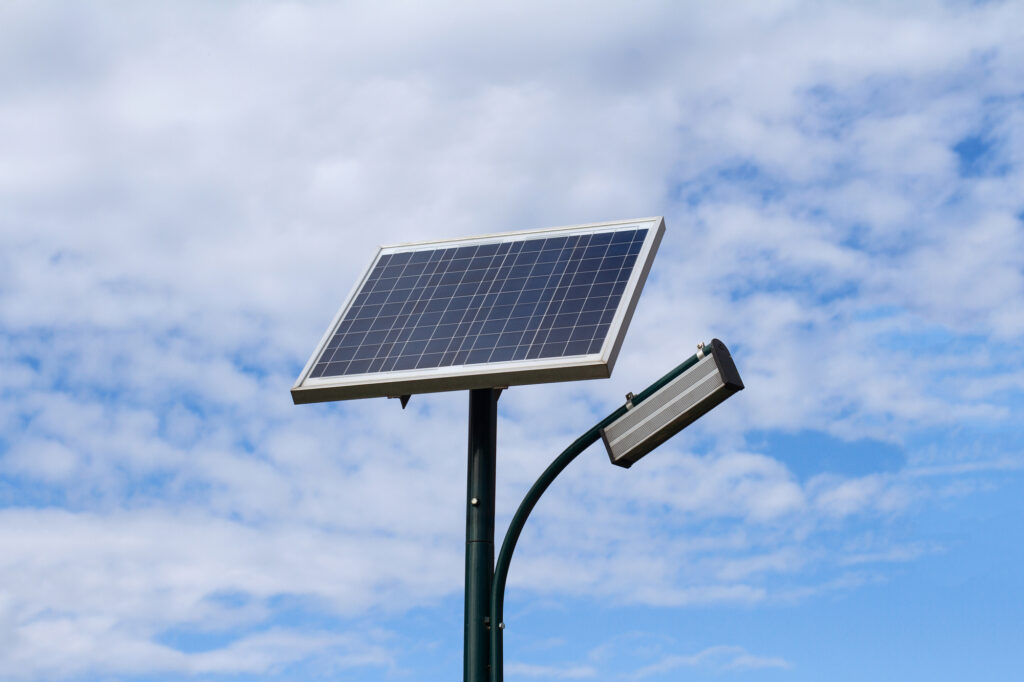
Lillumina la tua vita con l’energia solare!
Have you ever stopped to think about how much we take lighting for granted? In the world, over 1.4 billion people lack access to electricity, with most residing in Africa and India. For us, it’s automatic – we come home in the afternoon, flip the switch, and voilà! But what about those living in remote areas?
The Challenges of Access to Lighting
Schools are often closed at night, leaving children without access to education. Those who do attend school must adapt to a restrictive lifestyle, with only old oil lamps as their only source of light. Not only are these lamps detrimental to human health and the environment, but they also emit very little light.
In many parts of Africa, for example, children are forced to rely on kerosene lamps or candles, which can lead to serious health issues such as lung cancer, eye damage, and even death from fires. Similarly, in India, families often use traditional lighting methods like torches, lanterns, or kerosene lamps, which not only pose a fire hazard but also emit harmful pollutants into the air.
The Role of Renewable Energy in Overcoming Challenges
Innovations in technology and renewable energy sources are playing a vital role in tackling this issue. Specifically, solar energy is shining a light on possibilities for communities in remote regions.
Solar power has become increasingly cost-effective and efficient over the years, making it a viable option for powering homes, schools, and businesses. Moreover, solar panels can be easily installed and maintained, reducing the need for frequent repairs or replacements.
Breaking Down Barriers: The Lawrence Berkeley National Laboratory’s Solution
Researchers at the Lawrence Berkeley National Laboratory (LBNL) have developed an innovative solution to bring lighting to those who need it most. Led by Evan Mills, their groundbreaking project focuses on creating affordable solar-powered lamps that integrate photovoltaic units, rechargeable batteries, and LED lights.
These innovative lamps are specifically designed for use in areas with frequent power outages or where access to electricity is limited. The LBNL’s lamp can be powered solely by sunlight, eliminating the need for fuel or other energy sources.
A Step in the Right Direction: Solar-Powered Lighting
The LBNL’s lamp is more than just a tool – it’s a mission to educate and empower communities. By providing access to light, these innovative lamps will not only improve education but also enhance women’s safety and road conditions. Businesses will benefit from increased productivity, and lighting will no longer be limited to urban areas.
Moreover, the use of solar-powered lighting can have significant social and economic impacts on communities. For instance, improved lighting can increase access to healthcare services, reduce crime rates, and promote entrepreneurship by providing a safe and secure environment for businesses.
A Brighter Future: Affordable Solar-Powered Lighting
The LBNL’s lamp is part of a larger movement towards innovation and sustainability. Other notable examples include the Solar Bulb N220, a stylish and affordable lamp that donates a second lamp to communities in need for every one sold (approximately 25 euros). The LuminAID project, founded by two Chicago students, offers three models with prices ranging from $10 to $25.
These innovations are not only addressing the issue of lighting but also promoting sustainability and reducing carbon emissions. As the demand for renewable energy sources continues to grow, we can expect to see even more innovative solutions emerge in the field of solar-powered lighting.
The Economic Benefits of Solar-Powered Lighting
In addition to its social and environmental benefits, solar-powered lighting can also have significant economic impacts on communities. By reducing reliance on fossil fuels and decreasing energy costs, communities can allocate resources towards other important areas such as education, healthcare, and infrastructure development.
Moreover, the use of solar-powered lighting can create new job opportunities in the manufacturing and installation sectors, contributing to local economies. As more businesses adopt sustainable practices, they can also reduce their operating costs and increase their competitiveness in the global market.
The Environmental Impact of Solar-Powered Lighting
The environmental benefits of solar-powered lighting cannot be overstated. By harnessing the power of sunlight, we can significantly reduce our reliance on fossil fuels and lower carbon emissions.
According to the International Energy Agency (IEA), solar energy has the potential to meet up to 27% of global electricity demand by 2050. Moreover, studies have shown that widespread adoption of solar-powered lighting can lead to a significant reduction in air pollution, greenhouse gas emissions, and other negative environmental impacts associated with traditional lighting methods.
Conclusion
The world is slowly waking up to the power of solar lighting. By harnessing the energy of the sun, we can illuminate the lives of millions who currently live in darkness. Join us in embracing this sustainable future and shining a light on possibilities for a brighter tomorrow!
Frequently Asked Questions
-
Q: How does the LBNL’s lamp work?
A: The lamp consists of a photovoltaic module, rechargeable batteries, and an LED unit. -
Q: What is the cost of the Solar Bulb N220?
A: The Solar Bulb N220 costs approximately 25 euros per lamp. -
Q: Can I buy the LuminAID lamp online?
A: Yes, the LuminAID lamp is available for purchase on their official website. -
Q: How does the LuminAID project donate lamps to communities in need?
A: For every lamp sold, the consumer can choose to have a second lamp donated to a community in Africa or India. -
Q: What are the benefits of using solar-powered lighting?
A: Solar-powered lighting provides energy independence, reduces reliance on fossil fuels, and promotes sustainable development. -
Q: Can I use the LBNL’s lamp in areas with frequent power outages?
A: The lamp is designed to be battery-powered, ensuring continued operation during power outages. -
Q: How does the Solar Bulb N220 compare to traditional lamps?
A: The Solar Bulb N220 is a stylish and affordable alternative to traditional lamps, offering energy efficiency and sustainability. -
Q: Can I purchase multiple LuminAID lamps for personal use or to donate?
A: Yes, the LuminAID lamp is available for purchase online, and customers can choose to donate additional lamps to communities in need. -
Q: What are some potential challenges associated with widespread adoption of solar-powered lighting?
A: Some potential challenges include high upfront costs, limited access to solar panels, and issues related to energy storage and distribution. -
Q: How can individuals support the development and deployment of solar-powered lighting technologies?
A: Individuals can support the development and deployment of solar-powered lighting technologies by purchasing products from companies that prioritize sustainability and social responsibility.


