
Introduction
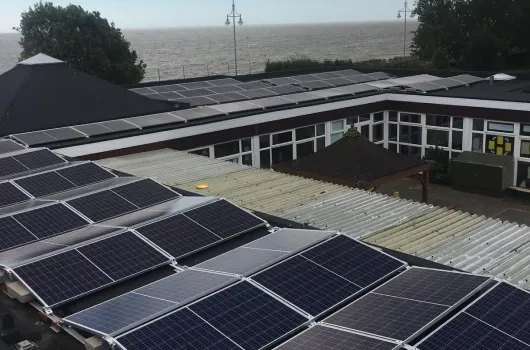
In a groundbreaking move, the City of Rome has embarked on a mission to make its schools more sustainable and energy-efficient. The initiative involves installing solar panels on the rooftops of all public schools in the city, marking a significant shift towards renewable energy. In this article, we’ll delve into the details of this project, explore its benefits, and discuss how it’s set to transform the way Rome approaches energy production.
A Decisive Leap Towards Sustainability
The decision to install solar panels on school rooftops was made by then-Supreme Mayor Gianni Alemanno as part of his triennial public works program (Roma Capitale 2011-2013). The project aims to provide clean energy and reduce carbon emissions. By harnessing the power of the sun, Rome can significantly lower its carbon footprint and become a model for sustainable living.
The Scope of the Project
A total of 524 solar panel installations are planned across all public schools in Rome, generating an impressive 8 megawatts (MW) of clean energy. This translates to a reduction of 132,500 tons of CO2 emissions over the next 25 years, making this project a significant step towards mitigating climate change.
A Cost-Effective Solution
The estimated cost of the project is €30 million, but the City of Rome won’t be shouldering the financial burden. Instead, private companies will cover the costs of installation, maintenance, and management of the solar panels. These companies have invested in this project because they recognize its potential for long-term returns.
A Win-Win Situation
For the companies involved, the investment is expected to pay off within 25 years. They’ll be able to sell excess energy generated by the solar panels back into the grid, generating revenue and reducing their own carbon footprint. Meanwhile, the City of Rome stands to benefit from reduced energy costs and a cleaner environment.
The Two-Phase Implementation
The solarization project will be divided into two phases. The first phase involves installing solar panels on school rooftops, while the second phase focuses on integrating solar panels within cemeteries (4.2 MW) with an investment of €15 million.
A Bright Future for Rome’s Energy Landscape
As Mayor Alemanno aptly puts it, “Rome will become a large photovoltaic power plant.” This ambitious goal marks the largest solar energy project on public buildings in Italy. By harnessing the power of the sun, Rome is poised to not only reduce its carbon emissions but also demonstrate leadership in renewable energy.
The Benefits for Schools and the Community
By transitioning to clean energy, schools will benefit from reduced energy costs, improved air quality, and enhanced sustainability. The surrounding community will also enjoy cleaner air and a more environmentally friendly urban landscape.
Reducing Energy Costs: A Financial Boost for Families
One of the most significant benefits of this project is the reduction in energy costs for families. With solar panels generating clean energy, schools can expect to save on energy bills, which will be passed on to parents through lower school fees. This is a welcome relief for families who are already struggling with rising living costs.
Improved Air Quality: A Healthier Environment
The installation of solar panels will also improve air quality in Rome’s urban landscape. With reduced reliance on fossil fuels, the city can expect to see a decrease in air pollution, which has serious health implications for residents. By harnessing clean energy, schools and the community can enjoy a healthier environment.
Environmental Sustainability: A New Era for Rome
The solarization project is a significant step towards environmental sustainability in Rome. By transitioning to renewable energy sources, the city can reduce its carbon footprint and become a model for sustainable living. This ambitious goal will serve as a beacon of hope for other cities around the world.
Innovative Technologies: Enhancing Efficiency
The solarization project showcases innovative technologies that are set to transform the way we approach energy production. By harnessing the power of solar panels, schools and communities can enjoy improved efficiency and reduced energy costs. This is just the beginning of a new era in renewable energy.
Challenges Ahead: Overcoming Energy Storage Hurdles
While the solarization project has made significant strides towards sustainability, there are still challenges ahead. One of the major hurdles facing this project is the need for energy storage solutions to ensure that excess energy generated by solar panels can be stored and used when needed.
Energy Storage Solutions: A New Frontier in Renewable Energy
To overcome the challenge of energy storage, Rome is investing in innovative solutions such as batteries and thermal energy storage systems. These cutting-edge technologies will enable the city to store excess energy generated by solar panels, ensuring that it can be used when needed.
The Future of Solar Power: A Global Perspective
As we look towards the future of solar power, it’s clear that Rome is leading the way. With a growing focus on renewable energy sources, cities around the world are embracing the potential of solar power to transform their energy landscapes.
Conclusion
Rome’s bold move towards solar power on school rooftops is a beacon of hope for sustainable living. As we continue to navigate the complexities of climate change, it’s heartening to see cities like Rome embracing renewable energy sources. By working together, we can create a brighter future for our communities and the planet.
Frequently Asked Questions (FAQs)
Q: What is the total cost of the solarization project?
A: The estimated cost is €30 million, with private companies covering the expenses.
Q: How long will it take to recover the initial investment?
A: It’s expected that the investment will be recovered within 25 years.
Q: Will the city benefit from reduced energy costs?
A: Yes, Rome can expect to save on energy costs due to the solar panels’ ability to generate clean energy.
Q: What is the target for CO2 emissions reduction?
A: The project aims to reduce carbon emissions by 132,500 tons over the next 25 years.
Q: How many solar panel installations are planned?
A: A total of 524 installations are planned across all public schools in Rome.
Q: Will the city benefit from increased revenue from excess energy sales?
A: Yes, the city can expect to generate additional revenue by selling excess energy back into the grid.
Q: What is the expected timeline for project completion?
A: The two-phase implementation is expected to be completed within 25 years.
Q: How will the solarization project impact air quality and sustainability?
A: By harnessing clean energy, schools and the surrounding community can enjoy improved air quality and enhanced sustainability.


