
Introduction
As we gaze up at the sky, we are often treated to breathtaking displays of celestial wonder. One such event that has been making waves in recent years is the solar eclipse of 2017. This rare occurrence will take place on August 21, 2017, and will be visible from a vast swath of the United States. In this article, we will delve into the details of this spectacular event and explore what makes it so unique.
What is a Solar Eclipse?
A solar eclipse occurs when the Moon passes directly between the Earth and the Sun, casting its shadow on our planet. This can only happen during a new moon, when the Moon is positioned between the Earth and the Sun. There are three types of solar eclipses: partial, annular, and total.
Why is the 2017 Solar Eclipse Special?
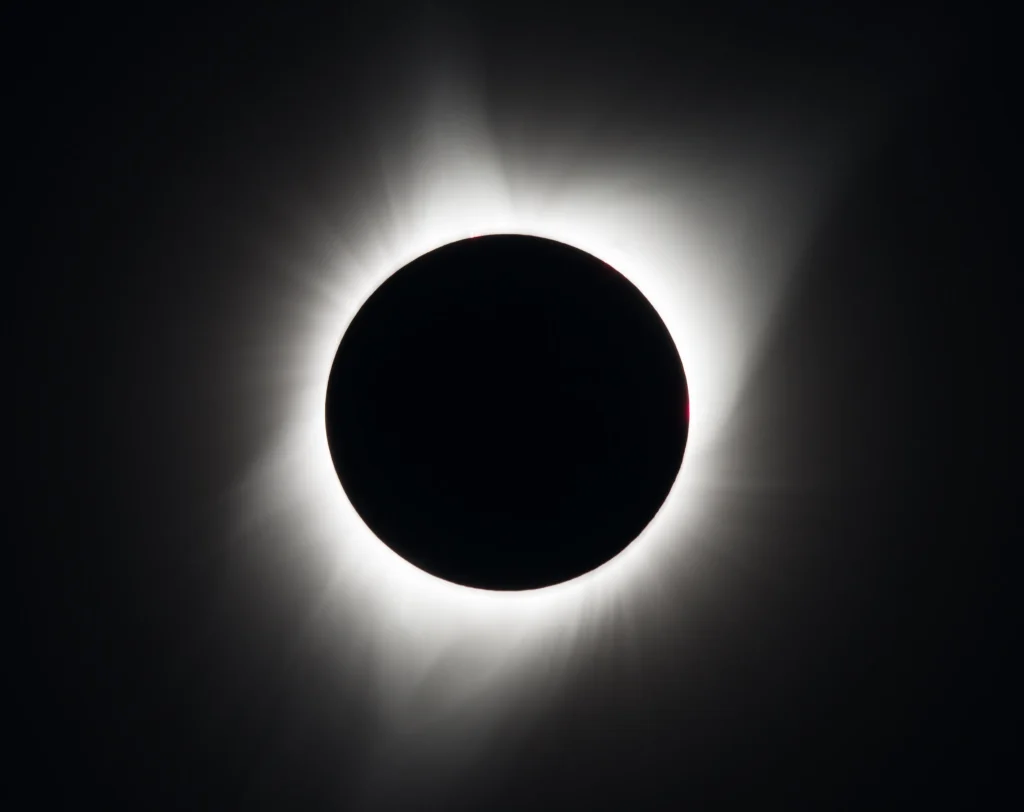
The 2017 solar eclipse is special for several reasons. Firstly, it will be visible from a large portion of the United States, making it one of the most widely observed eclipses in recent history. Secondly, this eclipse will be total, meaning that the Moon will completely cover the Sun, revealing the Sun’s outer atmosphere, or corona.
When and Where Will the Eclipse Occur?
The 2017 solar eclipse is scheduled to take place on August 21, 2017, at 13:17 UTC (Coordinated Universal Time). The path of totality will stretch from Oregon to South Carolina, covering a vast area of approximately 100 miles wide and 70 miles long.
What to Expect During the Eclipse
As the Moon begins to cover the Sun, the sky will gradually darken, and the air temperature will begin to drop. As the eclipse reaches its peak, the Sun’s corona will become visible, creating a spectacular display of light and color. The duration of totality will vary depending on your location, but it is expected to last around 2 minutes.
How to Witness the Eclipse Safely
Witnessing a solar eclipse can be a thrilling experience, but it requires caution. To protect your eyes from the intense sunlight, use specialized solar viewing glasses or handheld solar viewers with a solar filter. Never look directly at the Sun without proper eye protection, as this can cause serious eye damage.
The Science Behind Solar Eclipses
Solar eclipses are relatively rare because the Moon’s orbit is tilted at an angle of about 5 degrees with respect to the Earth’s orbit around the Sun. This means that the Moon’s shadow usually falls above or below the Earth, rather than on it. However, when the Moon is in the right position, its shadow can fall on a specific region of the Earth, creating a total solar eclipse.
Types of Solar Eclipses
There are three types of solar eclipses: partial, annular, and total.
- Partial Eclipse: A partial eclipse occurs when the Moon only covers part of the Sun’s disk. This type of eclipse is visible from a wide area, but the Sun will not be completely covered.
- Annular Eclipse: An annular eclipse occurs when the Moon is at a farther distance from the Earth than usual, causing it to appear smaller in the sky. As a result, the Moon will only cover part of the Sun’s disk, leaving a ring of light visible around it.
- Total Eclipse: A total solar eclipse occurs when the Moon covers the entire disk of the Sun, revealing its outer atmosphere, or corona.
The Benefits of Solar Eclipses
Solar eclipses offer several benefits to scientists and astronomers. They provide an opportunity to study the Sun’s corona, which is normally invisible due to the brightness of the Sun’s surface. Scientists can also use solar eclipses to study the Earth’s atmosphere and the way it interacts with the Sun.
The History of Solar Eclipses
Solar eclipses have been observed by humans for thousands of years. The earliest recorded solar eclipse was in ancient China around 2130 BCE. In ancient Greece, astronomers such as Aristotle believed that solar eclipses were caused by the movement of the Moon between the Earth and the Sun.
Conclusion
The solar eclipse of 2017 promises to be a spectacular event that will captivate audiences around the world. By understanding what makes this eclipse special and how to witness it safely, we can ensure that this rare occurrence is one to remember.
Frequently Asked Questions
-
Q: When and where will the solar eclipse occur?
A: The 2017 solar eclipse will take place on August 21, 2017, at 13:17 UTC (Coordinated Universal Time) and will be visible from a vast swath of the United States.
* Q: What type of eclipse is the 2017 solar eclipse?A: The 2017 solar eclipse is a total solar eclipse, meaning that the Moon will completely cover the Sun.
* Q: How do I witness the eclipse safely?A: Use specialized solar viewing glasses or handheld solar viewers with a solar filter to protect your eyes from the intense sunlight.
* Q: What can I expect during the eclipse?A: As the Moon begins to cover the Sun, the sky will gradually darken, and the air temperature will begin to drop. The Sun’s corona will become visible, creating a spectacular display of light and color.
* Q: How long will the totality last?A: The duration of totality will vary depending on your location, but it is expected to last around 2 minutes.
* Q: What are some future eclipses worth looking out for?A: On June 21, 2020, an annular eclipse will occur from parts of North America and Europe. In 2021, another annular eclipse will take place on June 10.


