
Introduction
As the world continues to grapple with climate change, innovative solutions are needed to reduce our reliance on traditional cooling methods. Solar cooling is one such technology that harnesses the power of the sun to provide fresh air in buildings. In this article, we’ll explore what solar cooling is, how it works, and its potential benefits.
What is Solar Cooling?
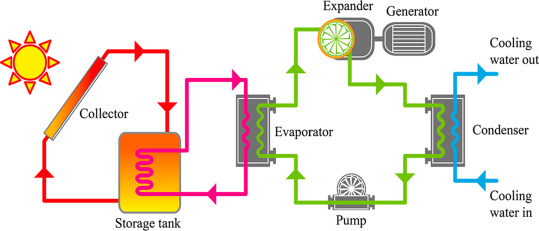
Solar cooling is a relatively new technology that uses solar collectors to heat water or air, which is then used to cool buildings. This process involves a closed-loop system where the heat generated by the sun is captured and used to produce cooled air or water.
Types of Solar Cooling Systems
There are two main types of solar cooling systems: closed-loop and open-loop systems. Closed-loop systems use machines called chillers to produce cooled air or water, while open-loop systems use a process of dehumidification and evaporative cooling to produce cooled air.
Closed-Loop Systems
The first type of solar cooling system is the closed-loop system. There are two sub-types:
- Closed-Loop Absorption Systems: In these systems, a fluid thermovector (e.g., aqueous lithium bromide) absorbs heat from the solar collectors and releases it at a lower temperature, cooling the building.
- Closed-Loop Adsorption Systems: These systems use solid or liquid rotors to dry air and produce cooled air.
Open-Loop Systems
The second type of solar cooling system is the open-loop system. There are two sub-types:
- Solid-Essence Dehumidifiers (DECs): These systems use solid rotors to dry air and produce cooled air.
- Liquid-Essence Dehumidifiers (DECi): Similar to DECs, but using liquid rotors.
Current State of the Art
According to the Energy Efficiency Report by Politecnico di Milano, the only commercially available solar cooling technology is the closed-loop absorption system with a Coefficient of Performance (COP) of 0.7-0.9 and a cost of €1,200-€2,000 per kW. The open-loop systems are still in the early stages of development.
Benefits of Solar Cooling
Solar cooling offers several benefits over traditional cooling methods:
- Renewable Energy: Solar cooling uses renewable energy from the sun to produce cooled air or water.
- Energy Efficiency: By using waste heat, solar cooling can reduce energy consumption and costs.
- Low Operating Costs: Once installed, solar cooling systems have low operating costs.
Applications of Solar Cooling
Solar cooling has a wide range of applications, including:
- Air Conditioning Systems: Solar cooling can be used to provide cooled air for buildings and homes.
- Refrigeration Systems: Solar cooling can be used to provide cooled air or water for refrigeration systems.
- Cooling Towers: Solar cooling can be used to cool water in cooling towers.
Challenges and Limitations
While solar cooling has many benefits, there are also some challenges and limitations to consider:
- High Upfront Costs: The initial cost of installing a solar cooling system can be high.
- Limited Availability: Solar cooling systems may not be available in all areas due to limited sunlight.
- Maintenance Requirements: Solar cooling systems require regular maintenance to ensure optimal performance.
Future Developments
Researchers are working on developing new and more efficient solar cooling technologies, including:
- Advanced Absorption Systems: New absorption systems that can achieve higher COPs and lower costs.
- Solar-Photovoltaic Hybrids: Hybrid systems that combine solar photovoltaics with solar cooling to produce both electricity and cooled air or water.
Conclusion
Solar cooling is a promising technology that harnesses the power of the sun to provide fresh air in buildings. While still in its early stages, solar cooling has the potential to revolutionize the way we cool our homes and businesses.
Frequently Asked Questions
- Q: What are the benefits of using solar cooling?
A: Solar cooling offers several benefits, including renewable energy, energy efficiency, and low operating costs. - Q: How does solar cooling work?
A: Solar cooling uses solar collectors to heat water or air, which is then used to cool buildings. - Q: What are the different types of solar cooling systems?
A: There are two main types of solar cooling systems: closed-loop and open-loop systems. - Q: Is solar cooling expensive?
A: While the initial cost of installing a solar cooling system can be high, it has low operating costs once installed. - Q: How does solar cooling compare to traditional cooling methods?
A: Solar cooling offers several benefits over traditional cooling methods, including renewable energy and energy efficiency.


