
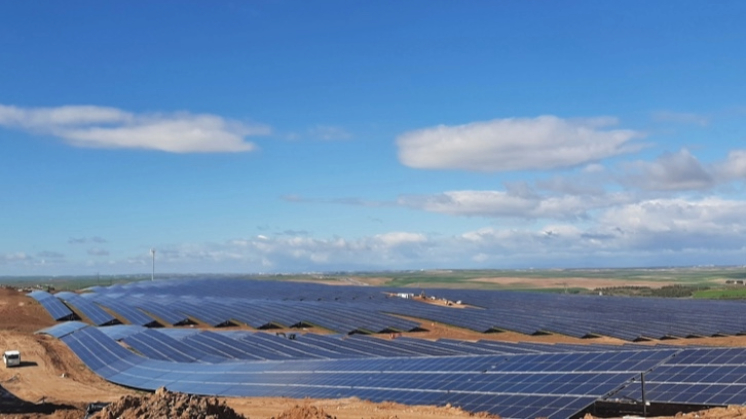
As the world continues to shift towards renewable energy sources, countries like Spain, the US, and Japan must invest in new solar power installations to maintain their position as leaders in the field. In 2012, Spain expanded its solar capacity, but with the addition of another 100 MW, it will soon face increased competition from other nations.
The Global Solar Landscape at the End of 2011
To understand the current state of solar energy, let’s look at the top five countries by installed capacity at the end of 2011:
- Germany: 24.7 GW
- Italy: 12.8 GW
- Japan: 4.9 GW
- Spain: 4.4 GW
- USA: 4.4 GW
The Chinese market is rapidly growing, poised to enter the top five soon. Japan is focusing on renewable energy sources beyond solar power, investing heavily in geothermal energy. Spain has completed several solar parks and has recently commissioned a 100 MW solar complex called Castilla-La Mancha Solar Complex.
Castilla-La Mancha Solar Complex: A Major Investment
The Castilla-La Mancha Solar Complex will consist of two identical 50 MW plants, each featuring parabolic collectors that reflect and concentrate sunlight onto heat exchangers. The fluid in these exchangers reaches temperatures of over 400°C, generating steam used to power conventional turbines.
Reducing Emissions and Creating Jobs
The Castilla-La Mancha Solar Complex will play a crucial role in combating climate change. According to Abengoa, the company behind the project, the 100 MW of installed capacity will result in an annual reduction of 63,000 tons of greenhouse gas emissions. Furthermore, this investment has had a positive impact on local communities, creating new job opportunities and contributing to the economic recovery of the Eurozone.
A Shifting Global Landscape
As countries like China and Japan continue to rise in the solar energy market, Spain must adapt to remain competitive. The addition of more solar power installations will help maintain its position among the top solar-producing nations.
The Future of Solar Energy
With increasing competition from other countries, Spain’s solar industry must innovate and expand its capacity to stay ahead. As the world shifts towards renewable energy sources, it is essential for Spain to continue investing in solar power and exploring new technologies to ensure a sustainable future.
Solar Power in Europe: Challenges and Opportunities
Europe has been at the forefront of the solar power revolution, with many countries investing heavily in solar energy projects. However, there are several challenges that need to be addressed to ensure the long-term success of the industry.
- Grid Integration: One of the biggest challenges facing European solar power is grid integration. As more solar power is generated, it can put strain on the grid, making it difficult to manage and distribute electricity.
- Policy Support: Many European countries have introduced policies to support the growth of solar power, such as feed-in tariffs and tax credits. However, these policies are often limited in scope and can be costly for governments.
- Public Acceptance: Solar panels can be a contentious issue, with some communities opposing their installation due to concerns about aesthetics or noise.
Despite these challenges, there are many opportunities for solar power in Europe. For example:
- Renewable Energy Targets: Many European countries have set ambitious renewable energy targets, which will drive the growth of solar power and other forms of renewable energy.
- Energy Storage: The development of energy storage technologies such as batteries will enable solar power to be stored for later use, reducing its intermittent nature.
- Solar-Powered Transportation: Solar power is being used to generate electricity for electric vehicles, which could play a significant role in reducing greenhouse gas emissions from transportation.
The Role of Spain in the European Solar Market
Spain has been a leader in the European solar market for many years, and it continues to be an important player. The country’s solar industry has grown significantly in recent years, driven by government support and declining costs.
- Solar Power Capacity: Spain has installed over 4 GW of solar power capacity, making it one of the top five countries in Europe.
- Government Support: The Spanish government has introduced several policies to support the growth of solar power, including feed-in tariffs and tax credits.
- Private Investment: Private investors are also playing a significant role in the development of Spain’s solar industry, with many companies investing heavily in new projects.
Despite its strong position in the European solar market, Spain still faces challenges from other countries. For example:
- China: China has become a major player in the global solar market, and it is likely to continue to be a significant competitor to Spain.
- Germany: Germany is another major player in the European solar market, and it has set ambitious renewable energy targets that could drive growth in the sector.
To remain competitive, Spain will need to invest in new technologies and expand its capacity to meet growing demand. This may involve:
- Research and Development: Investing in research and development to improve the efficiency and affordability of solar panels.
- Grid Infrastructure: Upgrading grid infrastructure to enable the efficient integration of solar power into the energy system.
- Public Engagement: Engaging with local communities to raise awareness about the benefits of solar power and address concerns about aesthetics or noise.
Conclusion
The Castilla-La Mancha Solar Complex is a significant investment in Spain’s solar energy sector, demonstrating the country’s commitment to renewable energy sources. As competition from other nations increases, it is essential for Spain to continue innovating and expanding its capacity to remain competitive in the global market.
With increasing demand for solar power, countries like Spain must invest in new technologies and infrastructure to meet growing needs. This may involve:
- Research and Development: Investing in research and development to improve the efficiency and affordability of solar panels.
- Grid Infrastructure: Upgrading grid infrastructure to enable the efficient integration of solar power into the energy system.
- Public Engagement: Engaging with local communities to raise awareness about the benefits of solar power and address concerns about aesthetics or noise.
By working together, we can ensure a sustainable future for renewable energy sources like solar power.


