
As we explore the world of renewable energy, one technology stands out for its potential to reduce our reliance on fossil fuels and lower greenhouse gas emissions: solar water heating systems. In this article, we’ll delve into the different types of solar water heating systems, their benefits, and how they can be integrated into your home.
What is a Solar Water Heating System?
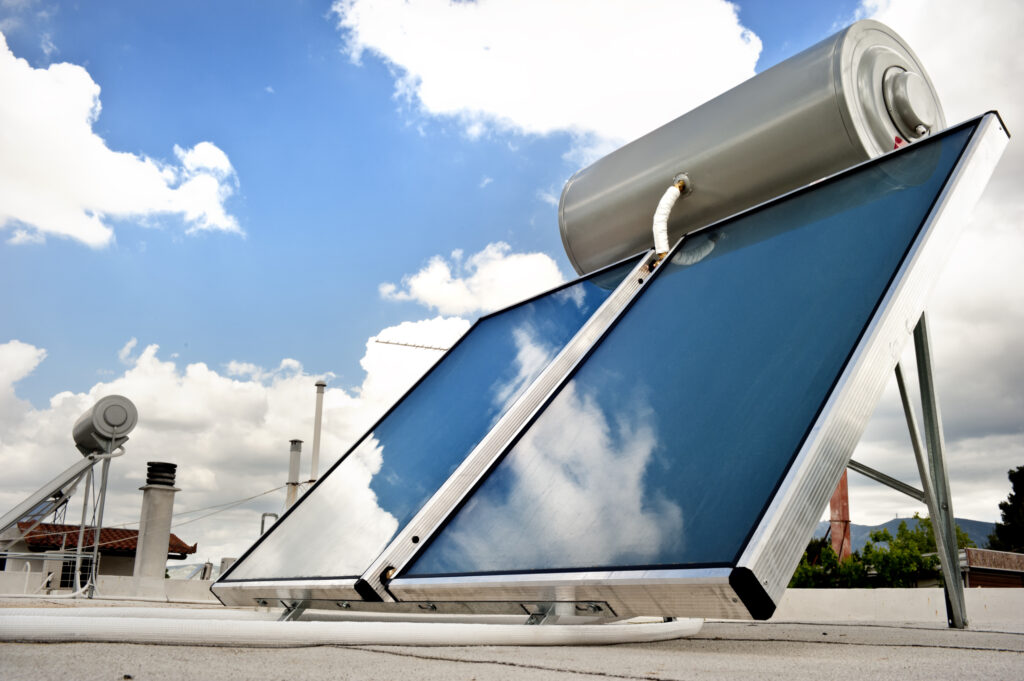
A solar water heating system is an innovative solution that harnesses the power of the sun to heat water for use in homes and businesses. The system consists of a collector (panel) that absorbs sunlight and transfers the heat to a storage tank, also known as a boiler.
Types of Solar Water Heating Systems
There are several types of solar water heating systems, each with its own strengths and weaknesses. Let’s explore some of the most common ones:
1. Natural Circulation System
The simplest type of solar water heating system is the natural circulation system. In this setup, hot water rises to the top of the storage tank through convection, allowing it to be distributed throughout the home.
Key Considerations:
- Requires a taller storage tank than the collector
- Less efficient than other systems
- Suitable for small-scale applications
2. Forced Circulation System
In this system, a serpentine pipe is installed inside the boiler, which is connected to the collector. The hot water then circulates through the home using a pump.
Key Considerations:
- More complex installation process
- Requires more energy for pumping
- Suitable for larger-scale applications
3. Vacuum Tube System
This system uses evacuated tubes to transfer heat from the collector to the storage tank. The vacuum tube system is known for its high efficiency and reliability.
Key Considerations:
- More expensive than other systems
- Requires a higher initial investment
- Suitable for larger-scale applications
4. Concentrated Solar Power (CSP) System
A CSP system uses a parabolic mirror to concentrate sunlight onto a fluid, which is then used to heat water.
Key Considerations:
- More complex installation process
- Requires more energy for cooling
- Suitable for larger-scale applications
5. Experimental Systems
Researchers are exploring innovative ways to integrate solar water heating systems with conventional boilers. One example is the use of solar-powered pumps and controllers to optimize system performance.
Key Considerations:
- Still in the experimental stage
- Requires further testing and validation
- May offer improved efficiency and reduced energy consumption
6. Solar-Thermal Systems
This type of system uses a combination of collectors and heat exchangers to heat water. Solar-thermal systems are known for their high efficiency and can be used for both space heating and water heating.
Key Considerations:
- More complex installation process
- Requires more energy for pumping
- Suitable for larger-scale applications
7. Solar-Powered Heat Pumps
This type of system uses a heat pump to transfer heat from the collector to the storage tank. Solar-powered heat pumps are known for their high efficiency and can be used for both space heating and water heating.
Key Considerations:
- More complex installation process
- Requires more energy for pumping
- Suitable for larger-scale applications
8. Solar Water Heating Systems with Storage Tanks
Some solar water heating systems use a storage tank to store hot water, which can be heated using the sun’s energy during the day and used at night or on cloudy days.
Key Considerations:
- Requires more energy for pumping
- Suitable for larger-scale applications
9. Solar Water Heating Systems with Recirculation Systems
Some solar water heating systems use a recirculation system to pump hot water from the collector to the storage tank, which can improve efficiency and reduce energy consumption.
Key Considerations:
- Requires more complex installation process
- Suitable for larger-scale applications
10. Hybrid Solar Water Heating Systems
Hybrid solar water heating systems combine different types of collectors, such as flat plate collectors and evacuated tube collectors, to create a system that can optimize energy production.
Key Considerations:
- More complex installation process
- Requires more energy for pumping
- Suitable for larger-scale applications
Conclusion
Solar water heating systems offer a promising solution for reducing our reliance on fossil fuels and lowering greenhouse gas emissions. By understanding the different types of solar water heating systems, we can make informed decisions about which system is best suited for our needs.
Benefits of Solar Water Heating Systems
There are several benefits to using solar water heating systems:
- Reduced Energy Consumption: Solar water heating systems can reduce energy consumption by up to 80%, depending on the type of system and installation conditions.
- Lower Greenhouse Gas Emissions: Solar water heating systems can lower greenhouse gas emissions by reducing our reliance on fossil fuels.
- Lower Operating Costs: Solar water heating systems can save homeowners money on their utility bills, especially for those who use hot water frequently.
- Increased Energy Independence: Solar water heating systems can provide energy independence for homes and businesses, reducing our reliance on public utilities.
Frequently Asked Questions (FAQs)
- What are the benefits of solar water heating systems?
Solar water heating systems offer numerous benefits, including reduced energy consumption, lower greenhouse gas emissions, and lower operating costs.
2. How efficient are solar water heating systems?
The efficiency of solar water heating systems varies depending on the type of system and installation conditions. However, most systems can achieve efficiencies ranging from 80% to 90%.
3. What is the initial investment for a solar water heating system?
The initial investment for a solar water heating system can vary widely, depending on the size of the system and the materials used. However, most systems require an upfront investment of $5,000 to $20,000.
4. How long does it take for a solar water heating system to pay off?
The payback period for a solar water heating system depends on several factors, including the cost of energy in your area, the size of the system, and your usage patterns. However, most systems can pay for themselves within 5-10 years.
5. Are solar water heating systems suitable for all climates?
Solar water heating systems are generally suitable for most climates, but they may require additional considerations for extreme temperatures or high humidity levels.
6. Can I install a solar water heating system myself?
While it’s possible to install a solar water heating system yourself, it’s often recommended to hire a professional installer who has experience with the specific type of system and local building codes.
7. What are some common myths about solar water heating systems?
One common myth is that solar water heating systems are only suitable for large-scale applications. However, most systems can be adapted for smaller homes and businesses. Another myth is that solar water heating systems require a significant upfront investment. While this may be true in some cases, many systems can offer long-term savings and reduced energy consumption.
8. Are there any government incentives for installing solar water heating systems?
Yes, many governments offer incentives for installing solar water heating systems, including tax credits, rebates, and grants. Be sure to check with your local authorities to see what incentives are available in your area.
Conclusion
In conclusion, solar water heating systems offer a promising solution for reducing our reliance on fossil fuels and lowering greenhouse gas emissions. By understanding the different types of solar water heating systems, their benefits, and how they can be integrated into your home, you can make informed decisions about which system is best suited for your needs.
Recommendations
- Conduct a Home Energy Audit: Before installing a solar water heating system, conduct a home energy audit to determine your energy usage patterns and identify areas for improvement.
- Choose the Right System: Choose a solar water heating system that meets your specific needs and budget.
- Consider Installation Costs: Consider installation costs, including labor and materials, when choosing a solar water heating system.
- Check Local Building Codes: Check local building codes and regulations before installing a solar water heating system.
- Consult with a Professional: Consult with a professional installer who has experience with the specific type of system and local building codes.
Future Directions
The future of solar water heating systems is promising, with ongoing research and development aimed at improving efficiency and reducing costs. Some potential areas for future research include:
- Advanced Materials: Developing new materials that can improve the efficiency and durability of solar water heating systems.
- Concentrated Solar Power Systems: Improving concentrated solar power systems to make them more efficient and cost-effective.
- Solar Water Heating Systems with Energy Storage: Integrating energy storage systems into solar water heating systems to optimize energy production and reduce energy consumption.
By exploring these areas of research and development, we can continue to improve the efficiency and effectiveness of solar water heating systems, making them an even more viable option for reducing our reliance on fossil fuels and lowering greenhouse gas emissions.


