
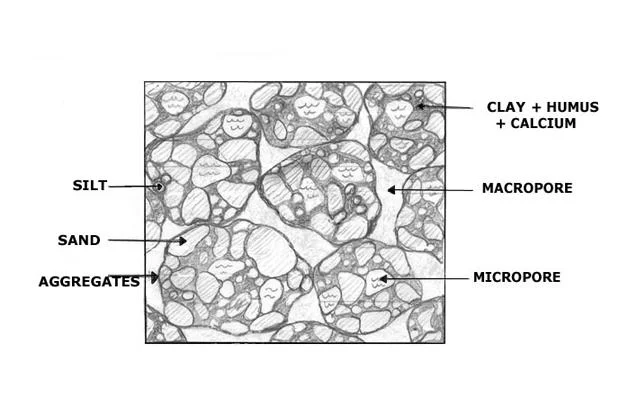
Understanding Soil Structure: The Key to Optimal Plant Growth
As we delve into the world of soil science, it becomes clear that the structure of the soil is crucial in determining its “quality”. Most plants absorb water and nutrients through a complex network of roots, which rely heavily on the soil’s physical and chemical properties.
Soil is a heterogeneous and intricate system, shaped by various mechanical, physical, and chemical processes that have affected both the original rocks and organic matter over time. The structure of the soil is therefore the result of numerous biological (plant-based) and abiotic (physical and chemical) factors. These factors give rise to diverse types of soils, each with distinct physical and chemical characteristics.
In our previous articles, we discussed the differences between soft, medium, and heavy soils, as well as the relationships between soil structure and fertility. We also explored the characteristics of clay, sandy, and loamy soils in detail. In this article, we will focus on the factors that determine a soil’s structure and porosity – specifically, the percentage of empty spaces (pores) within a given volume.
Understanding Soil Structure
Before diving into the specifics of soil type, let’s clarify what determines its structure. The combination of biological, physical, and chemical processes shapes the soil’s composition, which in turn affects its ability to retain and release water and oxygen in the spaces between solid particles.
Soil Structure: A Key Factor in Plant Growth
Imagine a complex network of pipes, where water flows through the narrow passages and is eventually released back into the environment. In this analogy, the soil’s structure acts as the pipes’ infrastructure, influencing how water moves through it. The type of soil you have – clay, loam, sand, or a combination of these – plays a significant role in determining its overall structure.
Factors Influencing Soil Structure
Soil structure is shaped by various factors, including:
- Biological processes: Plant roots, microorganisms, and other biological entities contribute to soil formation.
- Physical processes: Weathering, erosion, and deposition all impact the soil’s composition.
- Chemical processes: Chemical reactions between minerals, organic matter, and water shape the soil’s structure.
These factors interact with each other in complex ways, resulting in diverse types of soils with unique characteristics.
Soil Types: Understanding Their Structure
There are several main types of soils, each with distinct physical and chemical properties. To better understand how these properties influence plant growth, let’s explore some examples:
- Clay soils: High clay content can lead to dense, water-retentive soil that may restrict root growth.
- Sandy soils: Low clay content results in loose, well-draining soil that can be challenging for plants to absorb nutrients and water.
- Loamy soils: A balanced mix of clay, silt, and sand creates a well-structured soil with optimal drainage and nutrient retention.
The Impact of Porosity on Soil Structure
Porosity – the percentage of empty spaces within a given volume – plays a crucial role in determining a soil’s structure. High porosity allows for better water infiltration and aeration, while low porosity can restrict root growth and lead to waterlogging.
Understanding the relationships between soil structure, porosity, and plant growth is essential for optimizing crop yields and improving soil health.
Factors Affecting Soil Porosity
Several factors can impact a soil’s porosity, including:
- Organic matter: High levels of organic matter can increase porosity by creating more space between particles.
- Water content: High water content can reduce porosity due to compaction and saturation.
- Temperature: Temperature fluctuations can affect the structure and porosity of soil.
Soil Structure and Plant Growth
The relationship between soil structure and plant growth is complex. A well-structured soil with optimal drainage and aeration can support healthy root development, nutrient uptake, and water absorption.
However, poor soil structure can lead to reduced crop yields, increased erosion, and decreased soil fertility.
Conclusion
In conclusion, the structure of the soil is a critical factor in determining its quality. By understanding how biological, physical, and chemical processes shape the soil’s composition, we can better appreciate the complex interactions at play. As we strive to create optimal growing conditions for plants, it becomes clear that a nuanced understanding of soil structure is essential.
Frequently Asked Questions
- What determines soil structure?
- Biological (plant-based), physical (mechanical and chemical), and abiotic factors.
- How does porosity affect soil structure?
- High porosity allows for better water infiltration and aeration, while low porosity restricts root growth and leads to waterlogging.
- What is the relationship between clay content and soil structure?
- High clay content can lead to dense, water-retentive soil that may restrict root growth.
- How does loam soil compare to other types of soils in terms of porosity?
- Loamy soils have a balanced mix of clay, silt, and sand, resulting in optimal drainage and nutrient retention.
Best Practices for Soil Structure
To optimize soil structure, follow these best practices:
- Add organic matter: Incorporate compost or other organic matter to increase porosity and improve soil fertility.
- Use conservation tillage: Minimize tilling to reduce soil erosion and preserve soil structure.
- Aerate the soil: Regular aeration can help maintain optimal porosity and promote healthy root development.
By adopting these strategies, you can create an environment that supports optimal plant growth and improves overall soil health.


