
As a gardener, you know that the soil plays a crucial role in supporting plant growth. It provides both physical support and nourishment to the plants. However, the composition of the soil is vital because many species require specific characteristics such as pH levels, structure, and nutrient content.
Understanding the Role of Soil Composition
Soil composition is essential for plant growth, as it determines the availability of nutrients to the roots. A well-balanced fertilizer is crucial to ensure that the soil provides the necessary nutrients for optimal plant growth. But what makes a good fertilizer? And how do you choose the right one for your plants?
The Dangers of Inorganic Fertilizers
Inorganic fertilizers, such as those containing nitrogen-phosphorus-potassium (NPK) ratios, can be beneficial in small amounts. However, they can also have negative effects if overused or combined with organic matter. For example, using too much fertilizer can lead to an overload of nutrients, causing burn damage to the roots.
Inorganic fertilizers can also disrupt soil health by increasing the pH levels, altering the structure, and introducing unwanted pathogens. Furthermore, these fertilizers often rely on synthetic ingredients that can harm the environment if not disposed of properly.
The Importance of Organic Matter
Organic matter, such as compost, helps to balance out the pH levels in the soil and provides essential nutrients for plant growth. However, it’s crucial to use high-quality organic matter that is free from contaminants and pests. In addition, using too much compost can lead to an overabundance of nutrients, causing imbalances in the soil.
Organic matter also plays a critical role in maintaining soil structure and improving its water-holding capacity. This helps plants to absorb water more efficiently and reduces the risk of drought stress. Moreover, organic matter acts as a natural reservoir for beneficial microorganisms, which are essential for plant health and growth.
Balancing Soil Nutrients
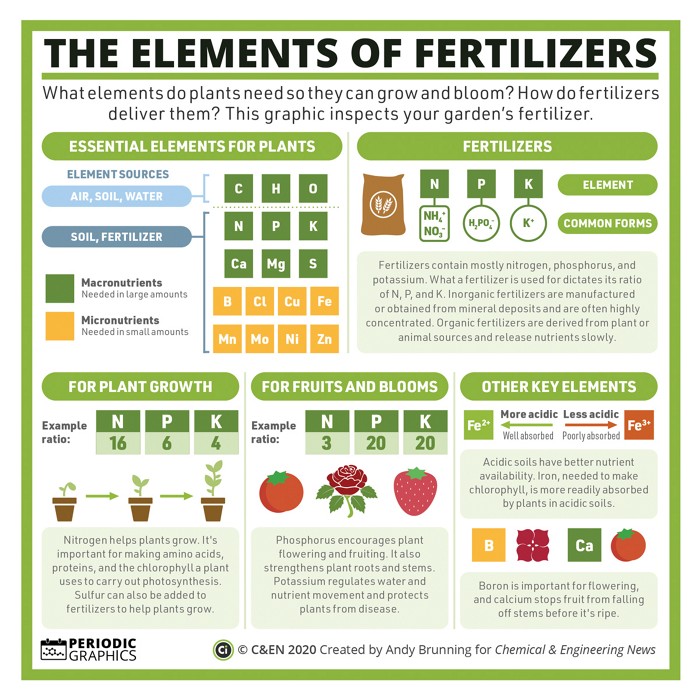
Soil nutrients are essential for plant growth, but they must be balanced to avoid toxicity or nutrient deficiencies. For example, a NPK ratio of 2:1:1 is often recommended for plants that require high amounts of nitrogen during the growing season.
However, this balance can vary depending on the type of plant, soil conditions, and climate. For instance, plants grown in acidic soils may require more phosphorus to promote root development, while plants grown in alkaline soils may require more potassium to enhance overall plant health.
Understanding Plant Requirements
Different plants have unique requirements when it comes to soil composition and nutrients. For instance, plants like legumes require more calcium than other types of plants. On the other hand, acid-loving plants such as azaleas and rhododendrons prefer acidic soils.
It’s also essential to consider factors like temperature, moisture levels, and light exposure when selecting a fertilizer for your plants. For example, plants grown in hot climates may require more nitrogen to promote leaf growth, while plants grown in cool climates may require more phosphorus to enhance root development.
Key Nutrients for Plant Growth
There are several key nutrients that plants require for optimal growth:
- Nitrogen (N): essential for plant growth and development
- Phosphorus (P): crucial for root development, flower and fruit formation
- Potassium (K): helps with overall plant health and resistance to disease
Micronutrients
In addition to macronutrients like nitrogen, phosphorus, and potassium, plants also require micronutrients such as iron, zinc, and copper. These micronutrients play critical roles in various physiological processes, including photosynthesis, respiration, and enzyme activity.
However, micronutrient deficiencies can have significant impacts on plant growth and productivity. For example, a deficiency in iron can lead to chlorosis (yellowing of leaves), while a deficiency in zinc can impair seed germination and plant establishment.
Conclusion
In conclusion, understanding the importance of soil composition and fertilizers is crucial for optimal plant growth. By balancing soil nutrients and choosing the right fertilizer, you can create a healthy environment for your plants to thrive.
Frequently Asked Questions (FAQs)
- What is the ideal NPK ratio for my plants?
- The ideal NPK ratio varies depending on the type of plant and growth stage. A general rule of thumb is to follow a 2:1:1 NPK ratio during the growing season.
- How do I choose the right fertilizer for my plants?
- Choose a fertilizer that meets your plant’s specific needs, taking into account factors such as soil type, climate, and growth stage.
- What are some common signs of nutrient deficiencies in plants?
- Common signs of nutrient deficiencies include yellowing leaves, stunted growth, and reduced yields.
- How can I balance my soil nutrients to avoid toxicity or imbalances?
- Balance your soil nutrients by testing your soil regularly and adjusting your fertilizer application accordingly.


