
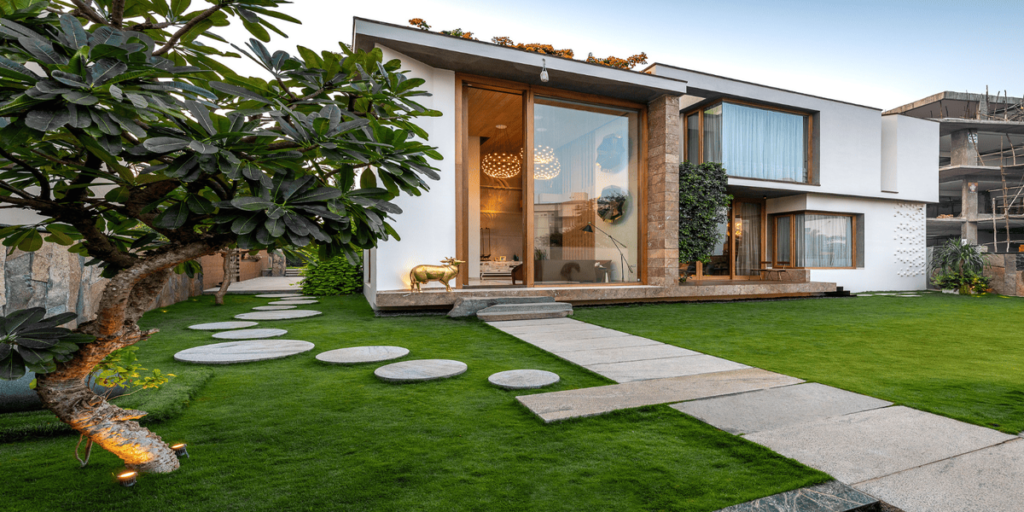
As we strive to reduce our carbon footprint and create a more sustainable future, innovative approaches to housing are becoming increasingly important. One such example is the IBA Soft House, a pioneering bio-edilizia project in Hamburg, Germany. In this article, we’ll explore the features and benefits of this cutting-edge design, highlighting its potential to revolutionize the way we live and interact with our environment.
The Rise of Bio-Edilizia
Bio-edilizia, or bio-building, refers to the practice of designing and constructing buildings that are environmentally sustainable and minimize their impact on the planet. This approach combines innovative materials, technologies, and design strategies to create energy-efficient, low-maintenance buildings that reduce greenhouse gas emissions and promote a healthier environment.
The concept of bio-edilizia has been gaining momentum in recent years, driven by growing concerns about climate change, resource depletion, and urbanization. As cities around the world face increasing pressure to adapt to a changing environment, innovative solutions like the IBA Soft House are emerging as a beacon of hope for sustainable housing.
The IBA Soft House: A Case Study
Located in Hamburg, Germany, the IBA Soft House is an exemplary model of bio-edilizia architecture. Designed by the partnership between 360+ Architekten and KVA Matx in Boston, this innovative abode combines sustainability, functionality, and aesthetics to create a unique living space.
Key Features:
- Solar Roof: The IBA Soft House boasts a solar roof with large, vertical openings that maximize natural light and reduce energy consumption. This cutting-edge design allows the building to harness solar energy while minimizing its visual impact on the surrounding environment.
- Energy-Efficient Design: The building’s design incorporates advanced insulation techniques, minimizing heat loss and preserving the comfort of its occupants. This attention to detail ensures a consistently comfortable living space, reducing the need for artificial heating and cooling.
- LED Lighting: Small units of LED lighting provide efficient illumination while reducing energy waste. By using smart sensors and automated controls, the IBA Soft House minimizes unnecessary energy consumption, further reducing its carbon footprint.
Benefits:
- Reduced Energy Consumption: The IBA Soft House’s innovative design and use of renewable energy sources minimize its carbon footprint, contributing to a more sustainable future for urban dwellers.
- Increased Comfort: The building’s advanced insulation and solar roof ensure a comfortable living environment, reducing the need for artificial lighting and heating. This enhances the overall quality of life for occupants, promoting better health and well-being.
- Improved Health: By promoting natural light and ventilation, the IBA Soft House creates a healthier living space for its occupants. This not only benefits individual residents but also contributes to the broader goal of reducing air pollution in urban areas.
History and Significance
The IBA Soft House was showcased at the International BauAustellung (IBA) in Hamburg, highlighting the potential of bio-edilizia architecture to transform urban landscapes. This innovative design has sparked interest worldwide, inspiring architects, builders, and policymakers to adopt sustainable building practices.
As we continue to grapple with the challenges of climate change and urbanization, the IBA Soft House serves as a powerful reminder of the importance of innovative design and sustainable building practices. By embracing cutting-edge technologies and materials, we can create healthier, more environmentally friendly living spaces that benefit both individuals and communities.
Conclusion: The Future of Sustainable Housing
The IBA Soft House represents a significant step forward in the quest for sustainable housing. Its cutting-edge design and innovative features demonstrate the potential of bio-edilizia architecture to reduce our environmental impact while promoting healthier living spaces.
As we move forward into an increasingly uncertain future, it’s essential that we prioritize innovation and sustainability in all aspects of life, including housing. By embracing bio-edilizia principles and incorporating sustainable materials, technologies, and design strategies, we can create a better future for ourselves and future generations.
Frequently Asked Questions
- What is bio-edilizia?: Bio-edilizia refers to the practice of designing and constructing buildings that are environmentally sustainable and minimize their impact on the planet.
- How does the IBA Soft House work?: The building’s solar roof, energy-efficient design, and LED lighting work together to reduce energy consumption and promote a healthier living environment.
- What are the benefits of bio-edilizia architecture?: Bio-edilizia architecture reduces greenhouse gas emissions, promotes sustainable resource use, and creates healthier living spaces.
- How can I incorporate bio-edilizia principles into my own home or building project?: By incorporating sustainable materials, technologies, and design strategies, you can create a more environmentally friendly living space.
- What is the future of sustainable housing?: The IBA Soft House represents a significant step forward in the quest for sustainable housing, demonstrating the potential of bio-edilizia architecture to transform urban landscapes.
Conclusion:
The IBA Soft House has opened our eyes to new possibilities for sustainable housing. By embracing cutting-edge design and innovative technologies, we can create healthier, more environmentally friendly living spaces that benefit both individuals and communities.
As we move forward into an increasingly uncertain future, it’s essential that we prioritize innovation and sustainability in all aspects of life, including housing. By incorporating bio-edilizia principles and sustainable materials, technologies, and design strategies, we can create a better future for ourselves and future generations.
The Future of Sustainable Housing:
- Increased Adoption: As awareness about the importance of sustainable housing grows, more people will be inspired to adopt eco-friendly building practices.
- Advancements in Technology: Research and development will continue to drive innovation in sustainable building materials, technologies, and design strategies.
- Policy Support: Governments and policymakers will need to provide incentives and support for sustainable housing projects, driving demand and adoption of eco-friendly practices.
Conclusion:
The IBA Soft House has demonstrated the potential of bio-edilizia architecture to transform urban landscapes. By embracing cutting-edge design and innovative technologies, we can create healthier, more environmentally friendly living spaces that benefit both individuals and communities.
As we move forward into an increasingly uncertain future, it’s essential that we prioritize innovation and sustainability in all aspects of life, including housing.


