
What is Sodium Bicarbonate?
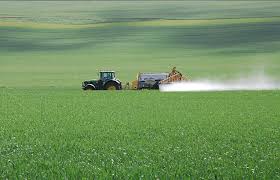
Sodium bicarbonate, also known as baking soda, is a white, fine powder that has been used for centuries. It’s a versatile compound that serves multiple purposes, from cooking to cosmetics to agriculture. In this article, we’ll explore the uses of sodium bicarbonate in agriculture and its role as a natural fungicide.
Why Use Sodium Bicarbonate in Agriculture?
Sodium bicarbonate is composed of alkaline salts that create an environment unfavorable for fungal growth. This makes it an effective natural fungicide for controlling various diseases, including powdery mildew, rust, and leaf spot. In agricultural biodynamics, sodium bicarbonate is used to promote healthy plant growth while preventing the spread of fungal infections.
The Chemistry Behind Sodium Bicarbonate
Sodium bicarbonate is chemically known as hydrogen carbonate or carbonic acid. It’s a salt that forms when sodium hydroxide reacts with carbon dioxide. This compound has been widely used in various industries, including food and beverages, due to its neutralizing properties and ability to stabilize pH levels.
Uses of Sodium Bicarbonate Beyond Agriculture
Sodium bicarbonate has numerous applications beyond agriculture. In the cosmetics industry, it’s used as a natural exfoliant and pH balancer for skincare products. In cooking, baking soda is commonly used to leaven baked goods, such as bread and cakes. It’s also an effective cleaning agent and deodorizer.
Controlling Fungal Diseases with Sodium Bicarbonate
Sodium bicarbonate can be used to control various fungal diseases that affect plants. Here are some of its benefits:
- Prevents Spore Germination: Sodium bicarbonate creates an environment that inhibits the germination of fungal spores, thereby preventing infection.
- Reduces Infection Severity: When applied early in the disease cycle, sodium bicarbonate can reduce the severity of fungal infections and promote healthy plant growth.
- Non-Toxic: Sodium bicarbonate is non-toxic to plants and humans, making it a safer alternative to synthetic fungicides.
How to Use Sodium Bicarbonate as a Fungicide
To use sodium bicarbonate effectively as a fungicide:
- Mix 100 grams of baking soda with 10 liters of water.
- Apply the solution evenly on all affected areas or surfaces.
- Repeat the treatment every few days to ensure optimal results.
Important Considerations
While sodium bicarbonate is a natural and non-toxic alternative, there are some considerations to keep in mind:
- Avoid Direct Contact with Soil: To prevent damage to plants, apply the solution only on the aerial parts of the plant or surfaces.
- Use Proper Dilution Ratios: Use the recommended dilution ratio for optimal effectiveness. Using too much baking soda can be detrimental to plant health.
Fungal Diseases Controlled by Sodium Bicarbonate
Sodium bicarbonate is effective in controlling a wide range of fungal diseases, including:
- Powdery Mildew: This disease causes white powdery patches on leaves and stems.
- Rust: This disease causes red or orange spores that can be seen with the naked eye.
- Leaf Spot: This disease causes small, circular lesions on leaves.
Benefits of Using Sodium Bicarbonate
Using sodium bicarbonate as a fungicide offers several benefits:
- Natural and Non-Toxic: Sodium bicarbonate is non-toxic to plants and humans, making it a safer alternative to synthetic chemicals.
- Cost-Effective: Sodium bicarbonate is inexpensive compared to other fungicides on the market.
- Environmentally Friendly: Sodium bicarbonate is biodegradable and can be composted after use.
Conclusion
Sodium bicarbonate is a versatile compound with multiple applications in agriculture and beyond. As a natural fungicide, it offers an effective alternative to synthetic chemicals while promoting healthy plant growth. By following proper application procedures and considering the potential risks, you can harness the power of sodium bicarbonate to maintain your garden’s health and vitality.
Frequently Asked Questions
- Is Sodium Bicarbonate Safe for Plants?
Yes, sodium bicarbonate is non-toxic to plants and humans. - Can I Use Baking Soda on Any Plant Disease?
No, baking soda should be used specifically on fungal diseases that are susceptible to its effects. Consult with a gardening expert before using it on other types of plant infections. - Is Baking Soda Effective Against Viral Infections?
No, baking soda is not effective against viral infections and should only be used for fungal diseases. - Can I Mix Baking Soda with Other Chemicals?
It’s recommended to avoid mixing baking soda with other chemicals as it can lead to unpredictable reactions or side effects.
Tips and Tricks
Here are some additional tips and tricks for using sodium bicarbonate effectively:
- Monitor Plant Health: Regularly inspect your plants for signs of fungal infections.
- Apply Solution Early: Apply the solution early in the disease cycle to prevent infection severity.
- Repeat Treatments: Repeat treatments every few days to ensure optimal results.
- Combine with Other Methods: Combine sodium bicarbonate with other methods, such as pruning or watering, for improved effectiveness.
By following these tips and using sodium bicarbonate effectively as a fungicide, you can maintain your garden’s health and vitality while reducing the use of synthetic chemicals.


