
Social anxiety is a common condition that affects millions of people worldwide. Despite being social creatures, humans can still struggle with feelings of inadequacy and fear when interacting with others. For some individuals, this anxiety manifests as a deep-seated phobia that makes it difficult to connect with others in a natural way. This fear of judgment, criticism, or rejection can lead to avoidance of social situations altogether.
The Psychological Impact of Social Anxiety
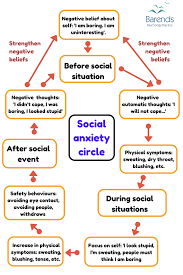
Those who suffer from social anxiety often feel like they’re under constant scrutiny, even when there’s no one around to judge them. They may become overly self-critical, beating themselves up over perceived mistakes or shortcomings. This negative self-talk can reinforce the anxiety, making it harder to break free from the cycle of fear.
Social anxiety can also have a significant impact on an individual’s mental health and well-being. It can lead to feelings of isolation, loneliness, and disconnection from others. People with social anxiety may struggle to form meaningful relationships or experience deep emotional connections with others.
Symptoms of Social Anxiety
When social anxiety takes hold, people may exhibit physical symptoms such as blushing, sweating, and trembling. They might also experience a sense of panic or dread when faced with social situations, feeling like they’re “on display” for everyone to criticize or judge. In some cases, individuals may even develop avoidance behaviors, limiting their interactions with others to avoid the perceived discomfort.
Some common symptoms of social anxiety include:
- Excessive self-consciousness: Feeling excessively self-conscious about one’s appearance, behavior, or thoughts.
- Fear of rejection: Fear of being rejected, criticized, or judged by others.
- Avoidance behaviors: Avoiding social situations or events due to fear or anxiety.
- Physical symptoms: Experiencing physical symptoms such as blushing, sweating, trembling, or nausea in response to social situations.
Testing for Social Anxiety
To determine if you’re struggling with social anxiety, try tracking your thoughts and feelings over a 24-hour period. Write down any instances where you feel like someone is judging or criticizing you, including the time of day, location, and people involved. This exercise can help you identify patterns and become more aware of your anxiety.
You may also want to consider seeking professional help from a mental health expert. A therapist or counselor can help you understand the root causes of your social anxiety and develop strategies for overcoming it.
Natural Remedies for Social Anxiety
While there’s no magic cure for social anxiety, several natural remedies can help alleviate symptoms and improve overall well-being. These include:
- Relaxation techniques: Practicing deep breathing exercises, progressive muscle relaxation, or mindfulness meditation can help calm the nervous system and reduce anxiety.
- Positive self-talk: Focusing on positive affirmations and self-compassion can help counteract negative self-talk and build confidence.
- Exercise: Regular physical activity can help reduce stress and improve mood.
In addition to these natural remedies, there are several other strategies that can help alleviate social anxiety. These include:
- Cognitive-behavioral therapy (CBT): A type of talk therapy that helps individuals identify and challenge negative thought patterns.
- Exposure therapy: A type of therapy that involves gradually exposing the individual to situations that trigger their social anxiety.
- Mindfulness-based stress reduction (MBSR): A program that teaches individuals mindfulness techniques to reduce stress and improve well-being.
Building Confidence and Overcoming Social Anxiety
Overcoming social anxiety requires a gradual and gentle approach. Start by taking small steps outside your comfort zone, such as striking up conversations with strangers or attending social events. With time and practice, you’ll become more confident in your abilities and better equipped to handle challenging social situations.
Here are some tips for building confidence and overcoming social anxiety:
- Practice positive self-talk: Focus on positive affirmations and self-compassion to help counteract negative self-talk.
- Take small steps outside your comfort zone: Gradually increase your exposure to social situations, starting with small, low-stakes interactions.
- Seek support from others: Connect with friends, family, or a therapist who can provide emotional support and encouragement.
- Focus on building meaningful relationships: Prioritize building connections with others based on shared interests, values, and personality traits.
Additional Resources
If you’re struggling with social anxiety, consider seeking professional help from a mental health expert. You can also find support groups and online communities where you can connect with others who understand what you’re going through.
Some additional resources that may be helpful include:
- National Alliance on Mental Illness (NAMI): A national organization that provides education, advocacy, and support for individuals affected by mental illness.
- American Psychological Association (APA): A professional organization that provides information and resources on mental health topics, including social anxiety.
- Crisis Text Line: A text-based support service that connects individuals with trained crisis counselors.
Remember, overcoming social anxiety takes time, patience, and practice. Be gentle with yourself and focus on building confidence and connections with others.


