
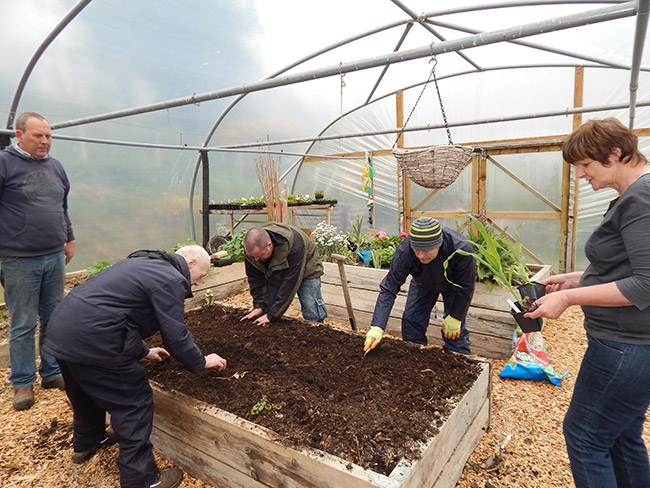
As the world grapples with issues of poverty, inequality, and environmental degradation, a new model of work and life is emerging that offers a promising solution. The social farm, also known as the social farm or farm community, is a unique approach to agriculture and rural development that combines economic sustainability with social benefits.
What are Social Farms?
Social farms are businesses that produce agricultural products while providing a range of services, including rehabilitation, assistance, training, and employment opportunities for vulnerable individuals such as people with disabilities, addicts, prisoners, elderly people, and children. These farms operate in rural areas, often in isolated or fragile environments, and work closely with public institutions and non-profit organizations.
The History of Social Farms
In recent years, the number of social farms in Italy has grown significantly, but challenges remain to be addressed. The social farm model is based on agriculture’s ability to extend beyond its traditional role as a food producer to become a multifunctional activity that generates not only economic benefits but also social and environmental ones.
Key Features of Social Farms
Several features contribute to the success of social farms:
- Flexibility in work organization: The flexibility of the farm’s organization allows for the valorization of different professional skills and competencies.
- Outdoor working environment: The outdoor setting fosters informal therapeutic practices, promoting social inclusion and personal gratification.
- Relationship with nature: Caring for plants and animals instills a sense of autonomy and responsibility.
- Relationships with consumers and local stakeholders: Social farms develop relationships that enhance self-esteem, well-being, and satisfaction.
Challenges Facing Social Farms
Despite its benefits, the social farm model faces several challenges. One major issue is the lack of a clear legal and institutional framework. As a result, social farms often rely on the personal motivations of their founders to drive the initiative forward.
Priorities for Social Farms
According to the Lombardy Region’s recognition of social farms in 2012, key priorities include:
- Training and education: Providing agricultural training for social farmers.
- Partnerships with public institutions and private sector companies: Developing agreements with public entities and businesses.
- Establishing a regional network of social farms: Creating a connection between social farms across the region.
Benefits to Society
Social farms contribute significantly to society in various ways:
- Economic Benefits: Social farms create employment opportunities for marginalized groups, contributing to local economies and reducing poverty.
- Environmental Sustainability: By incorporating sustainable practices into their operations, social farms help preserve natural resources and mitigate the impact of agriculture on the environment.
- Social Inclusion: Social farms provide a supportive environment where individuals with disabilities, elderly people, and others can reintegrate into society, promoting social inclusion and reducing stigma around mental health issues.
Challenges to Sustainability
Despite its benefits, the sustainability of social farms faces several challenges:
- Financing: Securing funding for social farms can be difficult due to their unique nature and the lack of clear legal and institutional frameworks.
- Scalability: Social farms often struggle to scale up their operations while maintaining their core values and mission.
- Regulatory Frameworks: The lack of a comprehensive regulatory framework hinders the growth and development of social farms.
Conclusion
Social farms represent an innovative approach to sustainable development, addressing issues of poverty, inequality, and environmental degradation. While challenges remain, these farms have the potential to create positive change in rural areas and contribute to a more equitable society. As such, understanding the history, features, challenges, and priorities of social farms is crucial for their continued growth and success.
Future Directions
To address the challenges facing social farms and ensure their sustainability, several steps can be taken:
- Establish Clear Regulatory Frameworks: Developing clear guidelines and regulations will help social farms secure funding and scale up their operations.
- Promote Collaboration: Encouraging collaboration between social farms, public institutions, and private sector companies can lead to increased innovation and growth.
- Invest in Capacity Building: Providing training and education for social farmers is essential for their success and the sustainability of social farm models.
By taking these steps, social farms can continue to play a vital role in promoting sustainable development, reducing poverty, and enhancing social inclusion.


