
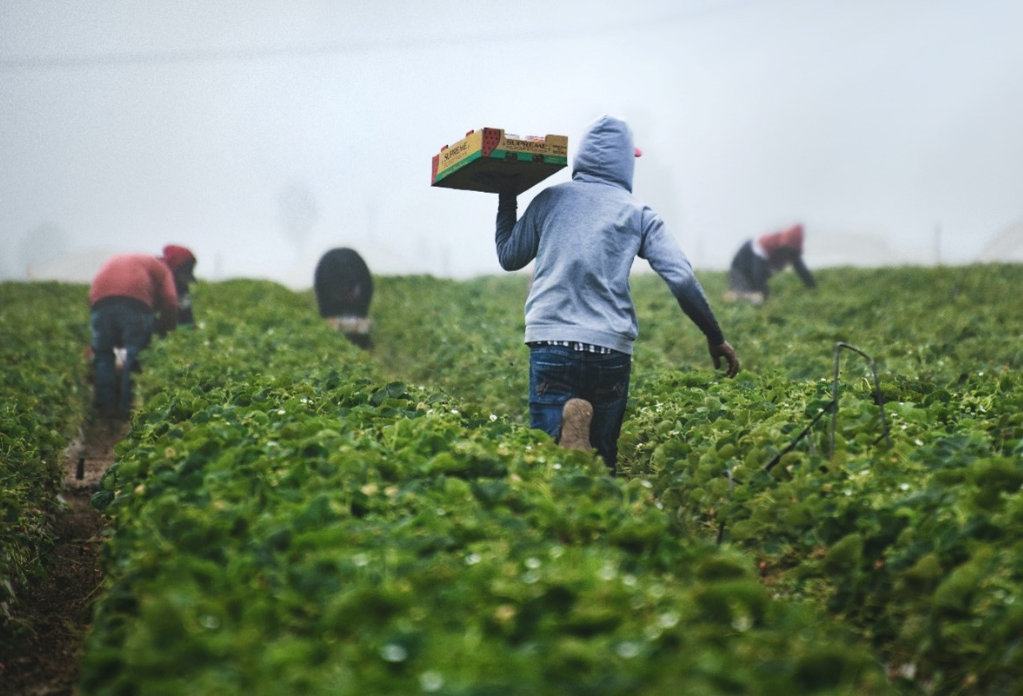
Agriculture, often seen as a conventional and monotonous practice, has recently taken on a new face with the emergence of social agriculture. This practice incorporates people from disadvantaged backgrounds or social groups, such as the elderly, minors, immigrants, and others, into agricultural activities.
What is Social Agriculture?
Social agriculture is that practice which includes people from disadvantaged backgrounds or social groups in the activities involved in farming. In a broader sense, it also incorporates agricultural schools and community gardens, known as “agrinidi”.
One of the biggest challenges faced by entrepreneurs who want to enter the social agriculture sector is that conventional farming practices do not include specific hires for people with disabilities or other types of support. Therefore, entrepreneurs often need to form partnerships with non-profit organizations, community centers, or cooperatives.
The Importance of Collaboration
Social agriculture cannot be a large part of an enterprise’s profit but still provides opportunities. It requires collaboration and understanding between farmers, social institutions, and government agencies.
In the context of this collaboration, it is recommended that the following elements are considered:
- Sustainable agricultural practices: These must be environmentally friendly and economically viable.
- Social impact assessment: This should assess the potential positive effects on individuals, communities, and society as a whole.
- Capacity building: Farmers and other stakeholders need training in social agriculture techniques, management, and marketing.
Legislative Framework
In July 2014, the Italian Chamber of Deputies approved a law framework for social agriculture, which is now pending Senate approval and is expected to be finalized soon. Following national legislation will come regional laws of implementation and/or integration. Some regions, such as Veneto, Liguria, Tuscany, Marche, Campania, and Abruzzo, have already developed detailed regulations on social agriculture.
Legislative Requirements
According to the law framework on social agriculture, businesses must include activities that are:
- Inserimento socio-lavorativo di soggetti svantaggiati e/o disabili and of minors in age-restricted work in rehabilitation and social support projects
- Accoglienza e soggiorno di bambini in età scolare (agroasilo or agronido)
- Accoglienza e soggiorno di people experiencing difficult situations socially, physically, or psychologically
- Provision of therapeutic services that accompany and support traditional medicine treatments, utilizing animals bred on the farm and cultivated plants
- Projects focused on environmental education
- Projects focused on nutritional education
- Projects aimed at preserving biodiversity and spreading knowledge about the territory through the organization of recognized social farms and cooperatives
These practices must be connected to farming when carried out by entrepreneurs in line with Article 2135 of the Italian Civil Code, and cooperatives that have a majority of their revenue from agricultural activities.
Advantages for Farm Workers
The new law framework has exciting opportunities for entrepreneurs who want to practice social agriculture. Public Authorities responsible for territory and health districts are required to develop territorial support and promotion plans for social agriculture.
Farm workers can benefit from various aspects, including:
- Job security: Social agriculture provides stable employment for farm workers.
- Training and skills development: Workers have the opportunity to acquire new skills and knowledge in social agriculture practices.
- Health benefits: Working on social agriculture projects may lead to improved physical and mental health outcomes for farm workers.
Conclusion
Social agriculture is a promising area for innovation, collaboration, and growth. By working together with farmers, social institutions, and government agencies, we can create more inclusive and sustainable agricultural practices that benefit everyone involved.
Frequently Asked Questions
- What does the law framework on social agriculture cover?
- What are the main principles of social agriculture?
- How do farmers benefit from social agriculture practices?
- What types of projects qualify as social agriculture initiatives?
- Can cooperatives participate in social agriculture activities?
- Who is eligible to work in social agriculture projects?
- Are there any specific requirements for farmers who want to practice social agriculture?
- How can public authorities support and promote social agriculture?
Case Studies
Several case studies have shown the potential of social agriculture to create positive impacts on individuals, communities, and society as a whole.
- The Italian Experience: Italy has been at the forefront of social agriculture development, with many successful projects across the country. The law framework approved in July 2014 is expected to further support this growth.
- Cooperative Farming: Cooperatives have played a crucial role in promoting social agriculture practices. By working together, farmers and consumers can create more sustainable and equitable agricultural systems.
Challenges and Opportunities
While there are many challenges associated with social agriculture, there are also numerous opportunities for innovation and growth.
Some of the key challenges include:
- Scalability: Social agriculture projects need to be scalable to make a significant impact.
- Funding: Access to funding is often limited for social agriculture projects, making it difficult to secure support.
- Capacity building: Farmers and other stakeholders need training in social agriculture techniques, management, and marketing.
However, there are also numerous opportunities for innovation and growth. Some of the key opportunities include:
- Inclusive practices: Social agriculture can provide opportunities for people with disabilities or other types of support to participate in farming activities.
- Sustainable agriculture: Social agriculture can promote sustainable agricultural practices that benefit both farmers and the environment.
- Community engagement: Social agriculture can foster stronger community relationships by providing training, employment, and social services.
Conclusion
Social agriculture is a promising area for innovation, collaboration, and growth. By working together with farmers, social institutions, and government agencies, we can create more inclusive and sustainable agricultural practices that benefit everyone involved.
While there are many challenges associated with social agriculture, there are also numerous opportunities for innovation and growth. By addressing the key challenges and capitalizing on the opportunities, we can create a more equitable and sustainable food system for all.
What Can You Do?
To support social agriculture development and promote inclusive agricultural practices, consider the following steps:
- Educate yourself: Learn about social agriculture practices, their benefits, and the law framework in your country.
- Network with stakeholders: Connect with farmers, social institutions, and government agencies to understand how you can contribute to social agriculture development.
- Support initiatives: Donate time, resources, or funding to social agriculture projects that align with your values and goals.
Together, we can create a more inclusive and sustainable food system for all.


