
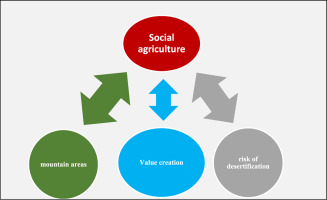
In recent years, social agriculture has emerged as a vital force in shaping the future of farming. This innovative approach combines traditional agricultural practices with social activities that promote community engagement, education, and rehabilitation. In this article, we will explore two exemplary Italian farms, Cascina Sguzzarina and Basalganella, which have successfully integrated social activities into their operations.
What is Social Agriculture?
Social agriculture refers to the practice of conducting agricultural activities beyond the traditional farming practices. It involves integrating social services, education, and rehabilitation programs with agricultural work, creating a holistic approach to farm management. This innovative approach not only promotes sustainable farming practices but also provides opportunities for social inclusion, education, and community development.
The Benefits of Social Agriculture
Social agriculture has numerous benefits, including:
- Promoting Sustainable Development: By integrating social services and education with agricultural practices, social agriculture reduces environmental impacts and promotes sustainable development.
- Fostering Community Engagement: Social agriculture promotes community engagement by providing opportunities for people to come together, share experiences, and learn from one another.
- Enhancing Education: Social agriculture offers a unique opportunity for education, as it combines theoretical knowledge with practical experience, promoting learning and skill development.
- Supporting Rehabilitation and Inclusion: Social agriculture provides opportunities for rehabilitation and inclusion by offering employment, training, and support to individuals with disabilities.
Case Study 1: Cascina Sguzzarina
Located in Castel Goffredo, Mantua, Cascina Sguzzarina is an 17-hectare farm that has been operating in the field of social agriculture since 1999. The farm specializes in cereal production, fruit cultivation, and livestock management. In addition to its agricultural activities, Cascina Sguzzarina offers a range of social services, including:
- Agritourism: The farm hosts tourists with disabilities through its agritourism program, which provides an immersive experience into rural life.
- Centro psicosociale locale: In collaboration with the Mantova Department of Mental Health, Cascina Sguzzarina offers employment opportunities for individuals with mental health issues, promoting rehabilitation and social inclusion.
Case Study 2: Cascina Basalganella
Located in Ceresara, Mantua, Cascina Basalganella has been integrating social activities into its operations since 2009. This farm is dedicated to fruit cultivation, livestock management, and education. Some of the notable initiatives undertaken by Cascina Basalganella include:
- Fattoria didattica: The farm collaborates with a local cooperative to provide job opportunities for young people with disabilities, promoting vocational training and social inclusion.
- Community engagement: Cascina Basalganella regularly organizes community events, such as cene al buio (dinner in the dark), which raise awareness about disability issues and promote social inclusion.
Key Takeaways
To initiate social agriculture initiatives, collaboration with organizations that support people with disabilities is essential. This can include partnerships with local cooperatives, mental health institutions, or other entities that promote social inclusion.
In addition to these key takeaways, the following points are worth considering:
- Capacity Building: Social agriculture initiatives require capacity building, as they involve developing new skills and expertise in areas such as agricultural management, education, and rehabilitation.
- Partnerships: Partnerships with organizations that support people with disabilities are crucial for the success of social agriculture initiatives.
- Community Engagement: Community engagement is critical for the success of social agriculture initiatives, as it involves promoting social inclusion and community development.
Conclusion
Social agriculture has the potential to revolutionize farming practices by promoting sustainable development, social inclusion, and community engagement. By integrating social services and education into agricultural operations, farms like Cascina Sguzzarina and Basalganella are setting an exemplary model for a more inclusive and equitable food system.
In the future, we can expect to see even more innovative approaches to social agriculture, as farmers and organizations continue to explore new ways of promoting sustainable development, social inclusion, and community engagement. As the demand for sustainable and socially responsible farming practices continues to grow, it is likely that social agriculture will play an increasingly important role in shaping the future of food production.
Frequently Asked Questions
- What is the role of social agriculture in promoting sustainable development?
Social agriculture plays a crucial role in promoting sustainable development by integrating social services and education with agricultural practices, reducing environmental impacts, and promoting community engagement. - How can farmers initiate social agriculture initiatives?
To initiate social agriculture initiatives, farmers should collaborate with organizations that support people with disabilities, such as local cooperatives or mental health institutions. - What are the benefits of agritourism for people with disabilities?
Agritourism provides an immersive experience into rural life, promoting social inclusion and education for individuals with disabilities. - How can social agriculture initiatives be funded?
Social agriculture initiatives can be funded through grants from organizations that support sustainable development, community engagement, and disability inclusion. - What is the future of social agriculture in farming practices?
The future of social agriculture holds great promise, as it has the potential to revolutionize farming practices by promoting sustainable development, social inclusion, and community engagement.
Conclusion
Social agriculture has the potential to transform the way we approach farming practices, promoting sustainable development, social inclusion, and community engagement. By integrating social services and education into agricultural operations, farms like Cascina Sguzzarina and Basalganella are setting an exemplary model for a more inclusive and equitable food system.
Further Reading
For more information on social agriculture, check out our article “Agriculture Social: Normativa e Risorse”.


