
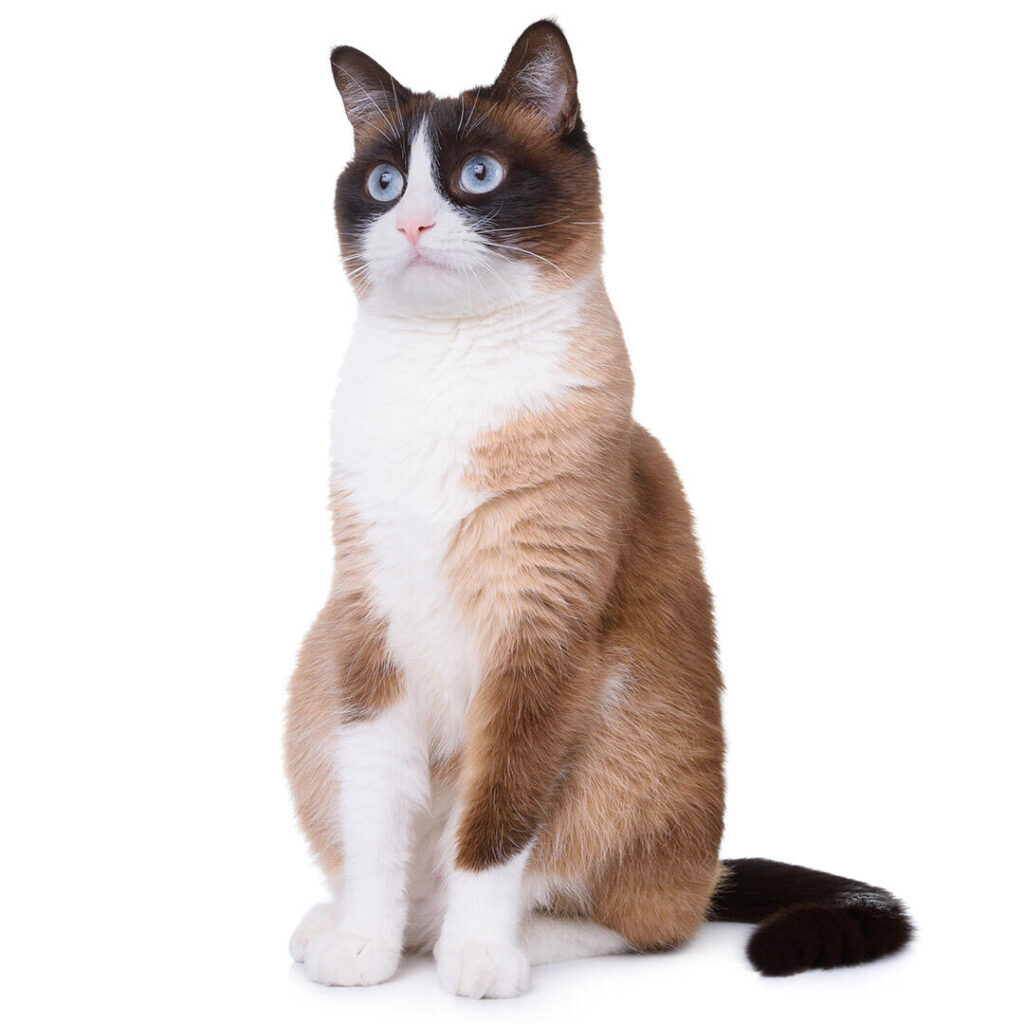
Understanding the Snowshoe Cat: Characteristics, Care, and More
The Snowshoe cat is a stunning feline breed that originated in the United States. With its unique characteristics and affectionate nature, it’s no wonder why this breed has gained popularity among cat enthusiasts. In this article, we’ll delve into the world of Snowshoe cats, exploring their history, physical appearance, personality traits, care requirements, and more.
A Brief History of the Snowshoe Cat
The Snowshoe cat is a result of breeding between Siamese and American Shorthair breeds in the 1960s. This crossbreeding led to the creation of a new breed that inherited the best characteristics from both parent breeds. The Snowshoe cat’s unique appearance, with its short coat and white markings, set it apart from other feline breeds.
Physical Characteristics
The Snowshoe cat is known for its medium-sized build, with males weighing up to 6 kg (13 lbs) and females up to 4.5 kg (9.9 lbs). Their long, slender bodies and short coats make them a joy to behold. The coat color can vary between Seal, Blue, Chocolate, and Lilac, depending on the individual cat’s genetics.
- The head is slightly cuneiform, with soft, rounded features.
- Large, oval-shaped eyes are set wide apart, giving the cat an endearing expression.
- Ears are triangular in shape, with rounded tips.
- The tail is medium-length and tapers towards the end.
- The overall appearance is that of a compact, muscular feline.
Personality Traits
Snowshoe cats are known for their friendly, outgoing personalities. They make excellent family pets, as they are:
- Affectionate: Snowshoes love human interaction and will often seek out attention from their owners.
- Playful: These cats are natural-born athletes, enjoying games of chase and hide-and-seek.
- Curious: Their inquisitive nature makes them entertaining to watch and interact with.
Care Requirements
To keep your Snowshoe cat happy and healthy, consider the following:
- Provide regular grooming sessions to prevent matting and tangling.
- Regularly clean ears to prevent infections.
- Trim nails regularly to prevent overgrowth.
- Offer a balanced diet that meets their nutritional needs.
Finding a Reputable Breeder
If you’re interested in adding a Snowshoe cat to your family, research reputable breeders who prioritize the health and well-being of their cats. Look for:
- Certification from recognized cat registries
- Positive reviews and testimonials from satisfied customers
- A commitment to responsible breeding practices
Conclusion
The Snowshoe cat is a beloved breed known for its unique appearance and charming personality. With proper care and attention, these felines can thrive in their new homes. By understanding the characteristics, needs, and personalities of Snowshoe cats, you’ll be better equipped to provide the love and care they deserve.
FAQs
- What is the average lifespan of a Snowshoe cat?
- The average lifespan of a Snowshoe cat is between 12-17 years.
- How often should I groom my Snowshoe cat’s coat?
- Regular grooming sessions (1-2 times per week) will help prevent matting and tangling.
- Can Snowshoe cats be left alone for extended periods?
- While Snowshoes are adaptable, they thrive on human interaction. Leaving them alone for extended periods may lead to boredom or stress.
- Are Snowshoe cats suitable for households with other pets?
- Yes, Snowshoes can get along well with other pets, especially if introduced at a young age and socialized properly.
- Can I have multiple Snowshoe cats as pets?
- While it’s possible to have multiple Snowshoe cats, introducing too many cats at once can lead to stress and competition for resources.
Health Considerations
Snowshoe cats are generally healthy, but like all breeds, they can be prone to certain health issues. Some common health concerns include:
- Hypertrophic cardiomyopathy (heart disease)
- Patellar luxation (kneecap dislocation)
- Hip dysplasia
- Progressive retinal atrophy (eye degeneration)
To minimize the risk of these conditions, ensure your Snowshoe cat receives regular veterinary check-ups and stays up-to-date on preventative care.
Grooming Tips
Snowshoe cats have a short, smooth coat that requires minimal grooming. However, regular brushing can help remove loose hair and prevent matting. Here are some tips for grooming your Snowshoe cat:
- Brush their coat gently but thoroughly, paying attention to areas where mats and tangles tend to form.
- Trim nails regularly to prevent overgrowth.
- Clean ears regularly to prevent infections.
- Bathe them sparingly, as excessive bathing can strip their coat of natural oils.
Tips for Introducing a Snowshoe Cat to Your Home
Introducing a new cat to your home can be challenging, especially if you have other pets. Here are some tips for introducing a Snowshoe cat to your family:
- Prepare a separate room for the new cat, complete with food, water, litter box, and toys.
- Allow the cats to become familiar with each other’s scents before meeting in person.
- Start with short introductions, gradually increasing the time spent together as they become more comfortable with each other.
Conclusion
The Snowshoe cat is a beloved breed known for its unique appearance and charming personality. With proper care and attention, these felines can thrive in their new homes. By understanding the characteristics, needs, and personalities of Snowshoe cats, you’ll be better equipped to provide the love and care they deserve.
In addition to their natural beauty and affectionate nature, Snowshoe cats also make excellent companions for:
- Families with children
- Seniors who want a low-maintenance pet
- Individuals who enjoy interactive play
Whether you’re a seasoned cat owner or just starting out, the Snowshoe cat is an excellent choice. With their friendly demeanor and outgoing personalities, they are sure to capture your heart.
If you have any questions about Snowshoe cats or would like more information on caring for this breed, don’t hesitate to reach out. We’re always here to help!


