
Introduction
The Antirrhinum Bocca di Leone, commonly known as the Antirrhinum, is a perennial plant species that belongs to the Scrophulariaceae family. This article will delve into the characteristics, cultivation, and diseases of this popular ornamental plant.
Characteristics of the Antirrhinum Bocca di Leone
Habitat and Appearance
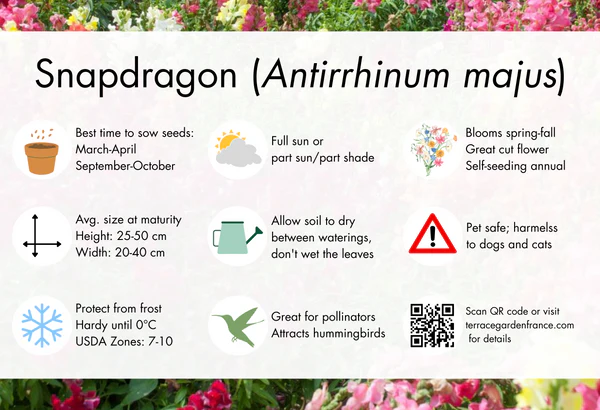
The Antirrhinum Bocca di Leone is a rustic and perennial plant that can be cultivated as an annual or biennial. It has an erect stem that can reach up to 1.5 meters in height. The leaves are lanceolate in shape and have a green color, while the flowers come in various colors such as white, yellow, red, and purple.
Unique Flower Shape
The most distinctive feature of this plant is its flower, which resembles the jaws of a lion. When open, it reveals the unique shape that gives it its name.
Flowering Period
The Antirrhinum Bocca di Leone blooms in the spring, typically from March to May, producing clusters of flowers that can last for several weeks.
Growth Habit
This plant has a moderate growth rate and can be used as a specimen or accent plant. It’s also suitable for mass planting or borders.
Cultivation of the Antirrhinum Bocca di Leone
Sunlight and Temperature Requirements
This plant requires full sun to produce healthy flowers, but it’s essential to avoid exposing it to extreme temperatures. It thrives in warm weather and can tolerate some frost.
Watering Needs
The Antirrhinum Bocca di Leone doesn’t require a lot of water. In the spring and summer months, it needs regular watering, while in the fall and winter, it’s essential to avoid overwatering.
Soil Composition
A well-draining soil with a mix of sand and compost is ideal for this plant. The pH level should be slightly acidic to neutral, between 6.0 and 7.0.
Fertilization
Feed the Antirrhinum Bocca di Leone with a balanced fertilizer during the growing season (spring-fall). Avoid overfertilizing, as this can lead to weak growth.
Pruning and Deadheading
Regular pruning helps maintain the plant’s shape and encourages new growth. Remove spent flowers (deadheading) to prevent self-seeding and promote more blooms.
Species Variations
The Antirrhinum Majus is one of the most commonly cultivated species within the Antirrhinum genus. This perennial plant grows up to 1.5 meters tall, with green, lance-shaped leaves and colorful flowers in shades of yellow, pink, red, and purple.
Breed Variations
There are numerous breed variations available, offering diverse colors and growth habits to cater to different preferences. Some popular breeds include:
- ‘Alba’ – A white-flowering variety
- ‘Variegata’ – A bi-colored variety with green and yellow leaves
- ‘Cerise’ – A red-flowering variety
Common Diseases Affecting the Antirrhinum Bocca di Leone
Aphids (Pidocchi)
These tiny insects can be challenging to spot. To combat them, antiparassitic sprays should be applied directly to the affected areas.
Botrytis cinerea
This fungal disease causes dark spots on leaves and destroys flower stalks. It’s crucial to remove infected parts immediately and apply a fungicide.
Fungal Spores (Ruggine)
A severe fungal infection can lead to reddish-brown spots on the stem, leaves, and sepals. Chemical treatments are necessary to combat this disease.
Peronospora antirrhini
This fungus causes leaf deformation and creates a grayish coating that prevents plant growth. The only remedy is using chemical products.
Propagation of the Antirrhinum Bocca di Leone
Seed Germination
The most reliable method for propagation is through seeds, typically sown in late February or early March indoors. Once seedlings have grown sufficiently, they can be transplanted into larger containers or directly into the ground.
Division and Layering
In areas with high humidity and frequent rain, division by digging up the plant after blooming can be an effective method for propagation. Alternatively, layering involves bending a section of stem to the ground and allowing roots to form before cutting it from the parent plant.
Care and Maintenance
Winter Protection
Bring the Antirrhinum Bocca di Leone indoors during harsh winters or provide adequate mulch to shield it from cold temperatures. This will help protect the plant from frost damage.
Pest Control
Regularly inspect your plants for pests like aphids, whiteflies, and spider mites. Use organic pest control methods whenever possible to avoid harming beneficial insects.
FAQs
Q: What is the best way to care for an Antirrhinum Bocca di Leone plant?
A: To ensure optimal growth and health, provide full sun, maintain a well-draining soil with compost, and water moderately. Prune in the spring after blooming to encourage new growth.
Q: Can I grow Antirrhinum Majus indoors?
A: Yes, this plant can thrive when grown inside under proper lighting conditions. Ensure it receives sufficient sunlight and maintains optimal temperatures for optimal growth.
Q: How do I treat aphids on my Antirrhinum Bocca di Leone?
A: Apply antiparassitic sprays directly to affected areas to eliminate these pests.
Q: What are some common diseases affecting the Antirrhinum Bocca di Leone plant?
A: The most prevalent issues include fungal infections like Botrytis cinerea and Fungal Spores (Ruggine). Regular monitoring and timely treatment with fungicides will help prevent infestations.
Q: Can I propagate my Antirrhinum Bocca di Leone using cuttings?
A: No, seed propagation is the most reliable method for reproducing this plant.
Q: Is it easy to care for an Antirrhinum Bocca di Leone in the winter months?
A: It requires minimal watering and protection from frost. If you live in an area with harsh winters, bring your plants indoors or provide adequate mulch to shield them from cold temperatures.


