
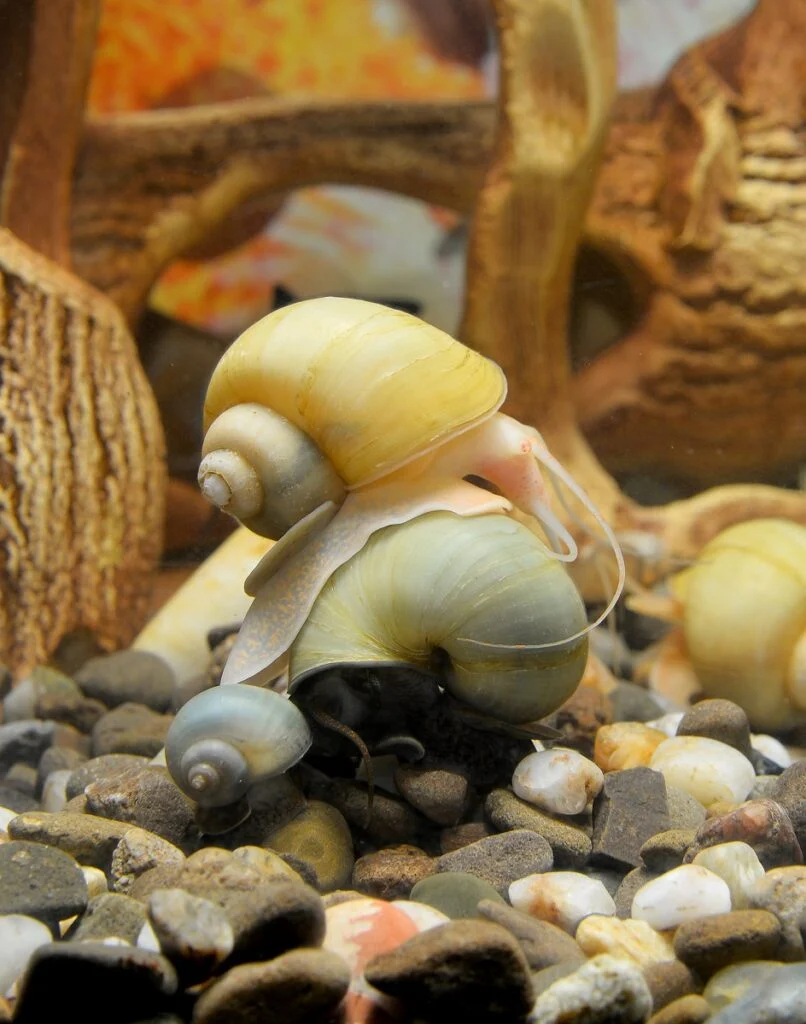
Understanding Snails in Aquariums: Benefits and Management
As an aquarium hobbyist, you may have encountered snails in your aquatic setup, often viewed as a nuisance. However, these slow-moving creatures can play a vital role in maintaining the ecological balance of your aquarium.
In this article, we will delve into the world of snails in aquariums, exploring their types, benefits, and management techniques to ensure they coexist harmoniously with other aquatic life.
Identifying Snails in Aquariums
Snails are an integral part of many aquarium ecosystems. With over 40,000 species worldwide, some are more beneficial than others. Common snail species found in aquariums include:
- Planorbis: flat, disk-shaped snails often with a brown or reddish-brown color.
- Neritina: spiral-shelled snails with dark brown or black stripes and yellow bands.
- Pomacea: spiral-shelled snails with light brown or green coloration.
Beyond their physical characteristics, identifying the type of snail can help determine its ecological role in your aquarium. For instance:
- Manglieri are known for controlling algae growth by consuming excess plant material.
- Snails that feed on decaying organic matter help maintain water quality and prevent bacterial growth.
Benefits of Snails in Aquariums
While some may view snails as pests, they bring numerous benefits to the aquarium ecosystem:
- Algae control: By consuming excess algae, snails help maintain a healthy balance between plant growth and water clarity.
- Decomposition: Snails aid in breaking down decaying organic matter, maintaining optimal water quality and reducing bacterial proliferation.
- Biological balance: Snails contribute to the overall biodiversity of the aquarium by introducing new species and promoting ecological interactions.
Types of Snails
Snails can be categorized into several types based on their shell shape, size, coloration, and feeding habits. Some popular types of snails include:
- Freshwater snails: These are the most common type of snail found in aquariums.
- Marine snails: These snails thrive in saltwater environments and can be challenging to care for.
- Tropical snails: These snails prefer warm, humid environments and require specialized care.
Managing Snail Populations
To maintain a balanced ecosystem, it’s essential to manage snail populations effectively. Here are some techniques to consider:
- Regular cleaning: Regularly clean your aquarium to remove debris, food particles, and excess algae.
- Proper feeding: Provide adequate food for both fish and snails to prevent overpopulation of one species at the expense of others.
- Habitat manipulation: Alter the environment by adding plants or rocks to create hiding places and stimulate natural predation.
Benefits of Keeping Snail-Only Tanks
Keeping a snail-only tank can be beneficial for aquarium hobbyists who want to experience the benefits of snails without the added complexity of fish. Some advantages of keeping snail-only tanks include:
- Easier maintenance: Snail-only tanks require less maintenance than mixed-species tanks, as they don’t need feeding schedules or water changes.
- Increased biodiversity: By focusing on a single species, you can create a more diverse and unique ecosystem.
- Cost-effective: Keeping a snail-only tank can be more cost-effective than maintaining a mixed-species tank.
Challenges of Keeping Snails
While keeping snails can be rewarding, there are some challenges to consider:
- Predation: Snails can be preyed upon by other aquatic animals, such as fish or shrimp.
- Habitat competition: Snails may compete with other aquarium inhabitants for food and space.
- Disease susceptibility: Snails can be susceptible to disease, which can be challenging to treat.
Conclusion
Snails in aquariums may seem like a nuisance, but they play a vital role in maintaining ecological balance and water quality. By understanding their types, benefits, and management techniques, you can coexist peacefully with these slow-moving creatures and create a thriving aquatic ecosystem.
Frequently Asked Questions (FAQs)
Q: Can I keep snails in the same tank as my fish?
A: It’s generally recommended to separate snails from fish to prevent predation and maintain water quality. However, some species can coexist peacefully if introduced at a young age.
Q: How do I get rid of snails in my aquarium?
A: While it may be tempting to remove all snails, consider the ecological impact on your tank. Instead, focus on controlling snail populations by maintaining proper water quality and providing adequate food for both fish and snails.
Q: What are some natural predators that can control snail populations?
A: Some species of fish, such as Plecos or Otocinclus catfish, feed on snails. However, introducing these predators may have unintended consequences on your aquarium’s overall balance.
Q: Can I breed snails in captivity?
A: Breeding snails can be challenging due to their specific needs and the need for controlled environments. Researching suitable breeding conditions is essential before attempting this.
Q: Are all snail species beneficial to aquariums?
A: While some snail species contribute positively to the ecosystem, others may cause more harm than good. Researching the specific type of snail you’re dealing with is crucial in determining its ecological impact.
Q: How often should I clean my snails’ habitat?
A: Regularly cleaning the snails’ habitat can help prevent bacterial growth and maintain optimal water quality. However, be cautious not to over-clean, as this may cause stress or even death for your snail population.


